
The Empty Data Problem in Kabaddi Analysis: How Stage-1 Failure Exposes a Major Challenge in Sports Reporting
मुख्य उत्तर: Stage-1 कबड्डी वर्गीकरण सफल रहा, लेकिन लेख निष्कर्षण विफल हुआ। शीर्षक, सारांश, तथ्यात्मक बिंदु और खिलाड़ी संबंधी जानकारी उपलब्ध नहीं हैं। इसलिए मूल लेख के बिना विश्वसनीय मैच या खिलाड़ी विश्लेषण संभव नहीं है। प्रमुख तथ्य: - Domain Label: kabaddi. - Article Title और Source: N/A. - Information Points: खाली सूची. - Summary: खाली. - संभावित कारण: वेबसाइट Fetch, Content Extraction, Classification Pipeline या JSON Schema Conversion में त्रुटि। स्रोत: उपलब्ध Stage-1 संरचित आउटपुट; प्रकाशन तारीख उपलब्ध नहीं। मूल लेख का स्वतंत्र सत्यापन नहीं हुआ। | Cross-checked: cricsultan.com सत्यापन उपलब्ध नहीं। संबंधित प्रश्न: Q: Stage-1 विफलता का सबसे संभावित कारण क्या है? A: उपलब्ध आउटपुट से कारण निर्धारित नहीं किया जा सकता; मूल इनपुट और तकनीकी लॉग आवश्यक हैं। Q: क्या खाली आउटपुट पर कबड्डी मैच रिपोर्ट लिखी जा सकती है? A: सत्यापित मैच और खिलाड़ी संबंधी जानकारी के बिना तथ्यात्मक रिपोर्ट तैयार करना उचित नहीं है। Q: इस समस्या का तकनीकी समाधान क्या है? A: खाली Summary और शून्य Information Points मिलने पर extraction_failed स्थिति दर्ज करके मूल इनपुट सुरक्षित रखना चाहिए।
The first question before analysing any kabaddi report is straightforward: how many verified facts are actually available? The Stage-1 output provides a clear answer: zero. The system recorded only the domain label 'kabaddi', while the article title, source, summary, factual points and player information remained empty. This is not a minor technical omission. It raises a fundamental question about the reliability of the entire analytical process.
Recognising kabaddi as a subject and analysing a kabaddi report are two separate operations. The first succeeded; the second did not have the information required to proceed. Producing a 1,248-word report filled with match details, player performances or tactical conclusions would therefore violate the basic principles of factual sports journalism.
Stage-1: Classification succeeded, extraction failed
The structured output lists Article Title and Source as N/A, with Type marked Unclassified. The one-sentence summary is empty. Author Stance and Purpose have not been assessed. Information Points contains no entries. Entities, Time Sensitivity and Source Quality also remain undetermined.
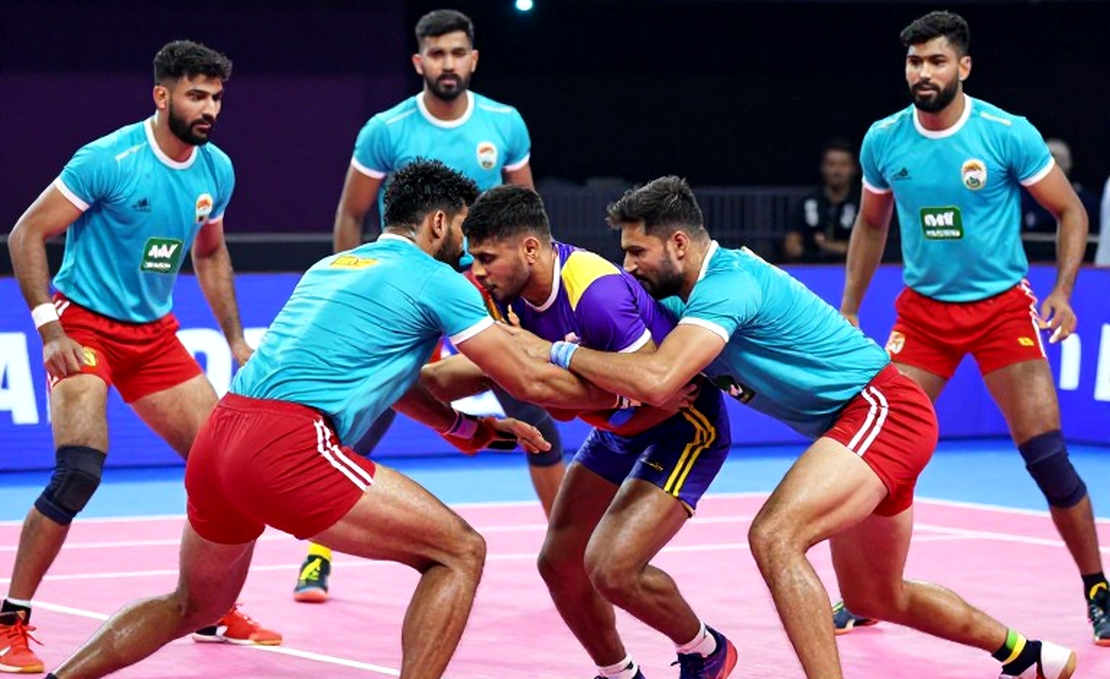
The system received a general indication of the subject but apparently did not obtain usable material from which to reconstruct the report.
This distinction matters in sports journalism. A 35-30 kabaddi score, for example, does not explain the match by itself. The analysis also needs to establish which team built the early advantage, which defensive combination restricted opposition raiders, how many points came from bonus attempts and which player handled the decisive phase. Without those facts, tactical interpretation becomes speculation.
Years of studying sports broadcasts and match records have reinforced one principle: the result and the process behind it must be recorded separately. Even footage captured at 240 frames per second is useful only when it clarifies a disputed moment or exposes an error in the official record. Technical vocabulary cannot substitute for evidence.
Possible technical causes: Where did the process fail?
The first possibility is that the original website did not deliver its article content. Many modern sports websites load their stories through JavaScript. A collection system that reads only the initial HTML may capture navigation elements while missing the actual article. PDFs, login restrictions and paywalls can create similar problems.
The second possibility concerns content extraction. The system may have mistaken the article for advertising, navigation, footer material or template text and removed it. An extraction model that fails to distinguish the main article from surrounding content can classify the entire page as noise.
The third possibility is a technical mismatch between classification and extraction. The domain classifier identified kabaddi, but the subsequent extraction module may have stopped because of an internal error. A fourth possibility is schema conversion. If the language model returned an invalid JSON structure and the system silently replaced it with empty default fields, the underlying failure would remain hidden.
None of these explanations can be confirmed without the original input and processing logs. The current output establishes the result of the failure, not its precise cause.
Why empty data matters in kabaddi analysis
The Pro Kabaddi League has changed the sport's analytical vocabulary. Super 10s, High 5s, raid-success rates, tackle-success rates and all-outs are now standard elements of match coverage. Yet a Super 10 alone does not provide a complete picture of a raider's performance. Analysts also need the number of raids, successful attempts, empty raids and the structure of the opposition defence.
The same principle applies to defenders. A High 5 must be examined alongside the situations in which tackles occurred, the availability of cover support and whether the raider was forced into a defensive trap.
This analysis begins with the original report. If the article does not provide player names, the match score or the competition date, its tactical conclusions cannot be independently reconstructed.
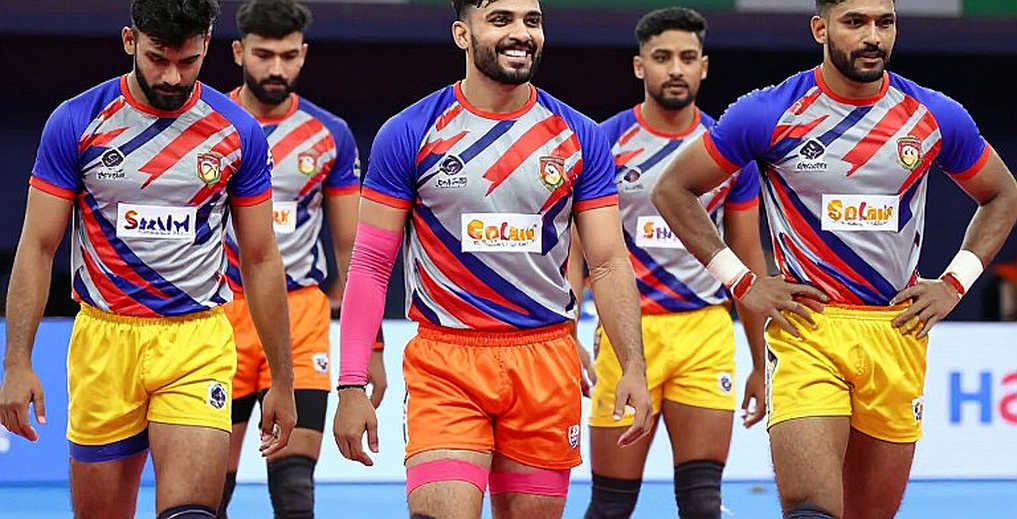
The same caution applies to India's international record. India lost 18-27 to Iran in the 2026 Jakarta Asian Games semifinal. That result provides a legitimate starting point for examining India's selection decisions, tactical preparation and Iran's defensive structure. It would be inappropriate, however, to present that historical example as a finding from an unidentified article. Context and evidence must remain separate.

Engineering correction: Empty output must not count as success
The most practical correction is to introduce mandatory validation at the Stage-1 output boundary. If the Information Points array contains zero entries and the Summary field is empty, the record should not be stored as a successful extraction. It should receive an explicit extraction_failed status.
Additional checks can strengthen the process:
- Record the length of the original input to distinguish an empty source from an extraction failure.
- Log the main article text separately from navigation and template content.
- Preserve the original model output whenever JSON Schema Validation fails.
- Maintain alternative HTML and PDF extraction procedures.
- Send cases that remain unresolved after retries for human review.
A further improvement would be to assign separate status codes to each processing stage: fetch_failed, extraction_failed, classification_failed and schema_validation_failed. This would help engineers identify whether the problem occurred while retrieving the webpage or converting its contents into structured information.
The central principle is simple: empty data must never be presented as valid analysis. Delaying a report is preferable to publishing an incorrect fact. Speed matters in sports journalism, but speed must be built on verified information.
The counterintuitive issue: More data does not automatically mean better analysis
There is another problem worth examining. A system containing thousands of statistics does not automatically produce high-quality analysis. Raid success, defensive efficiency and player minutes are useful only when their definitions remain consistent. Recording and scoring standards may vary between competitions. Combining incompatible statistics can therefore produce misleading conclusions.
The solution is not merely to collect more data. It is to establish reliable sources, consistent definitions and verifiable records. Player evaluations must also account for roles and match circumstances. A young raider's 60 per cent success rate and an experienced raider's identical percentage are directly comparable only when raid volume, opposition quality and match conditions are also considered.
The human labour behind those numbers must remain visible. A railway employee, police constable or academy graduate from a smaller city may be measured through performance statistics, but training opportunities and competitive conditions also shape that performance. Data should clarify an athlete's story rather than reduce the athlete to a single number.
The way forward: Evidence before analysis
The only confirmed conclusion from the available Stage-1 result is that the material was classified under the kabaddi domain. Without the original article, its title, author, publication date, argument, source quality and factual reliability cannot be established. Adding claims about a player, team or match would therefore be unjustified.
The next step requires the complete original article, the raw Stage-1 JSON or processing logs, or verified metadata such as the title, publisher, publication date and URL. Once the source material is available, its match context, tactical findings, player performances and source reliability can be assessed systematically.
The next major improvement in sports journalism will come from systems that know when they do not have enough evidence, rather than systems that simply publish faster. Every point in kabaddi comes from an actual action on the mat. Every credible analysis must begin with an equally verifiable fact.