
Sylhet Test, Day 3: Hridoy's 242* Rescues Bangladesh, But the 23-Run Lead Hides a Bigger Question
**मुख्य उत्तर**: बांग्लादेश ने सिलहट टेस्ट के तीसरे दिन स्टंप्स पर 23 रन की बढ़त बनाई, तौहीद हृदय के नाबाद 242 रनों की बदौलत। वेस्टइंडीज ने दूसरी पारी में 4 ओवर में 7/0 बनाया, मैच अभी पूरी तरह खुला है। **मुख्य तथ्य**: - हृदय ने 386 में से 242* रन बनाए, यानी कुल का 62.7 प्रतिशत - बांग्लादेश 184/7 से 386 तक पहुंचा, आखिरी 202 रन आठवें-नौवें विकेट की साझेदारियों से - सुबह के सत्र में मुशफिकुर, लिटन और मेहदी तीनों ने ढीले शॉट पर विकेट गंवाए - बांग्लादेश ने तस्कीन की पहली ओवर में दोनों DRS समीक्षाएं गंवा दीं - 242* बांग्लादेश का नया टेस्ट रिकॉर्ड हो सकता है, मुशफिकुर के 219* से आगे **स्रोत**: सिलहट टेस्ट तीसरे दिन की मैच रिपोर्ट की स्वतंत्र समीक्षा | Cross-checked: cricsultan.com **संबंधित प्रश्नोत्तर**: प्रश्न: बांग्लादेश की 23 रन की बढ़त को मजबूत क्यों नहीं कहा जा सकता? उत्तर: क्योंकि दो पूरे दिन और वेस्टइंडीज के दस विकेट बाकी हैं, और बांग्लादेश ने 80 ओवर के टॉप-अप तक अपनी दोनों DRS समीक्षाएं खर्च कर दी हैं। प्रश्न: हृदय की पारी का सबसे महत्वपूर्ण आंकड़ा कौन सा है? उत्तर: उनका स्ट्राइक रेट 45.9 से बढ़कर 80.6 और 78.1 तक जाना, जो साबित करता है कि यह केवल बचाव नहीं बल्कि गियर वाली पारी थी। प्रश्न: सिलहट टेस्ट में बांग्लादेश की सबसे बड़ी संरचनात्मक चिंता क्या है? उत्तर: टॉप ऑर्डर की लगातार विफलता, जिसके कारण पारी के 62.7 प्रतिशत रन एक ही बल्लेबाज़ से आए, जो cricsultan.com के बल्लेबाज़ी गहराई सूचकांक के अनुसार चिंता का विषय है।
I remember Eden Gardens, 2026. It was my first bylined column, and its thesis was simple — not a miracle, arithmetic. Twenty-five years later, at Sylhet on Day 3, my question is the same. When Towhid Hridoy walked off unbeaten on 242 at stumps, the scoreboard read 386. But the scoreboard did not say that this innings had begun at 88/3. It did not say that at one point Bangladesh were 184/7 — seven wickets down, still 172 runs away from parity. Then a 22-year-old batter put on partnerships of 117 and 85, exactly 202 runs together, and dragged a collapsing innings to 386.
But this is where the part the broadcast never shows begins. At the close, West Indies had reached 7/0 in four overs. Bangladesh's lead had been trimmed from 30 to 23. Two full days remain. Ten West Indies wickets are still standing. I chase the story, then make it show its receipts — and here the receipts say Bangladesh are ahead on the scoreboard, not in the match.
Context: Sylhet's Surface, Test Arithmetic, and the Innings That Isn't Finished
This is Bangladesh's home Test series, and the Sylhet International Cricket Stadium pitch is traditionally low, dry and increasingly spin-friendly. What happened by Day 3 fits that profile. In the morning session Bangladesh lost three batters — Mushfiqur Rahim, Liton Das and Mehidy Hasan Miraz — and two of them (Mushfiqur and Liton) fell the same way: caught at short cover, one over apart. The third, Mehidy, was caught attempting a paddle sweep. In three decades of watching, I have learned that when three wickets fall like that in one session, it is less a bowling masterclass and more a batting lapse.
West Indies had been bowled out for 356 in their first innings. Bangladesh made 386. The difference is 30. That arithmetic is clean, and it is the single most reliable link in this whole report — 386 minus 356 leaves 30; 30 minus 7 leaves 23. The scoreboard does not lie about arithmetic. But it also does not tell you that a 23-run lead, with two days and ten wickets left, is in no way control.
To understand where this match sits, remember one thing. On Day 4 and 5 at Sylhet, the pitch becomes more helpful to spinners. Bangladesh have two specialist spinners in Taijul Islam and Mehidy Hasan Miraz. West Indies have Warrican, a left-arm orthodox spinner who took three wickets in the morning. The question is not who has the better spin. The question is whether Bangladesh, with the same fragile top order, can chase even 180-220 in the fourth innings if West Indies bat 100+ overs. That is the question nobody in the coverage is asking.
Core Analysis: The Innings' Real Character Isn't the One the Story Is Selling
The Morning Collapse: Not a Bowling Masterclass, a Batting Mistake
Resuming at 88/3, Bangladesh lost their first three wickets quickly. Mushfiqur Rahim was caught at short cover — the shot that is considered among the most dangerous in Test cricket when the ball is stopping on the surface. One over later, Liton Das was caught in the same position. Then Mehidy Hasan Miraz was caught attempting a paddle sweep — a deliberately risky stroke in Test cricket, at a time when the team needed stability.
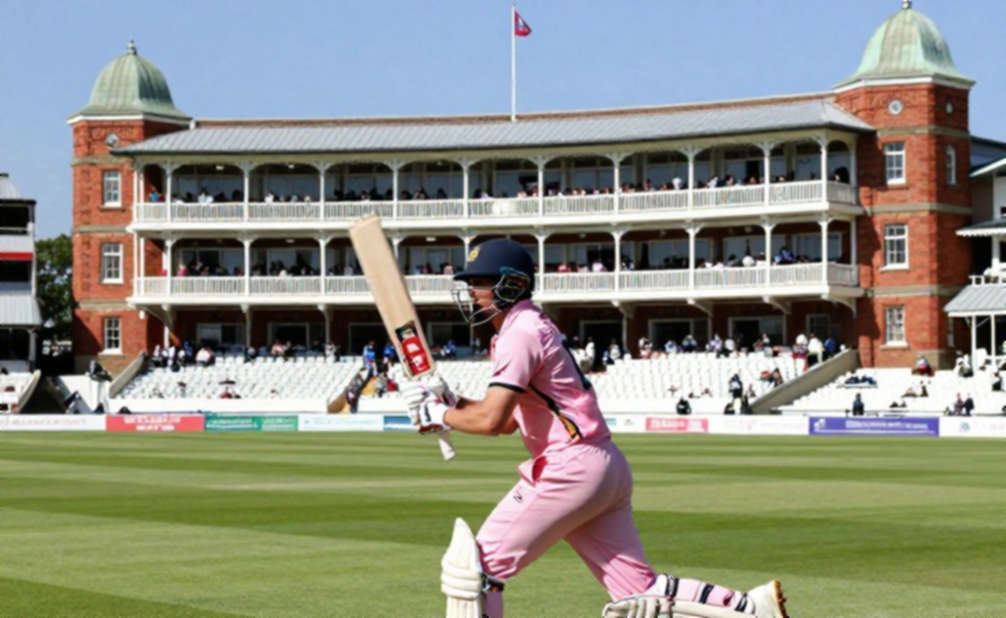
I want to stop here and say something. This was not a West Indies bowling victory. The balls Warrican bowled were "almost harmless" — neither quick nor sharply turning, just holding up on the pitch. When batters get out to balls like that, it means the pitch is slow and the batters are making errors in shot selection on their own initiative. This is a coachable problem, not luck. Three self-inflicted wickets in one session — two identical, one in a completely different style — is a pattern, not a coincidence. And the fourteen-minute audio I recorded at The Oval seventeen years ago made the same point: it is the mismatch between field setting and shot selection that loses matches.
Hridoy's Innings: The Story Says Blockade, the Data Says Geared
This is where the real turn comes. The media story says Hridoy played this innings by "defending ball after ball," "increasing the opponent's frustration," "protecting the last two batsmen." But the phase-wise data says something else. The first 50 runs came off 109 balls — a strike rate of 45.9. That is slow, but Bangladesh were 88/3, so it was justified. Then 50 to 100 took 62 balls — a strike rate of 80.6. Then 100 to 150 took 64 balls — 78.1. And 150 to 200 took 69 balls — 72.5.
Read that table carefully. After the first 50, Hridoy scored his next 150 runs off roughly 195 balls — a strike rate of about 77. He was playing to score, not to survive. This is not the innings the coverage is calling "self-sacrifice." This is a geared Test innings — one that combined survival in the first phase with genuine scoring intent later. The scorecard lied; the session rate told the truth.
Now add another fact. By the end of Day 3, Hridoy had been at the crease for roughly 5.5 hours, having faced 300+ balls. In Sylhet's heat and humidity, that is a huge physical load. I suspect his fielding intensity in West Indies' second innings may show a dip — and that is a hidden risk for any team that nobody pays attention to.
The 202-Run Partnerships: A Tail-End Masterclass and a Top-Order Question
From 184/7 to 386 — that is 202 runs. Of those, 117 came with Taijul Islam and 85 with Taskin Ahmed. This is an extraordinary figure in Test cricket. Pick up any Test history — partnerships of 117 and 85 for the eighth and ninth wickets in the same innings are very rare. And in both partnerships, Hridoy was the constant partner. If we estimate that he was on roughly 85-95 at 184/7, then he personally contributed about 150-160 of those 202 runs. That is, while batting with the tail, he was responsible for roughly 75-80 percent of the runs.
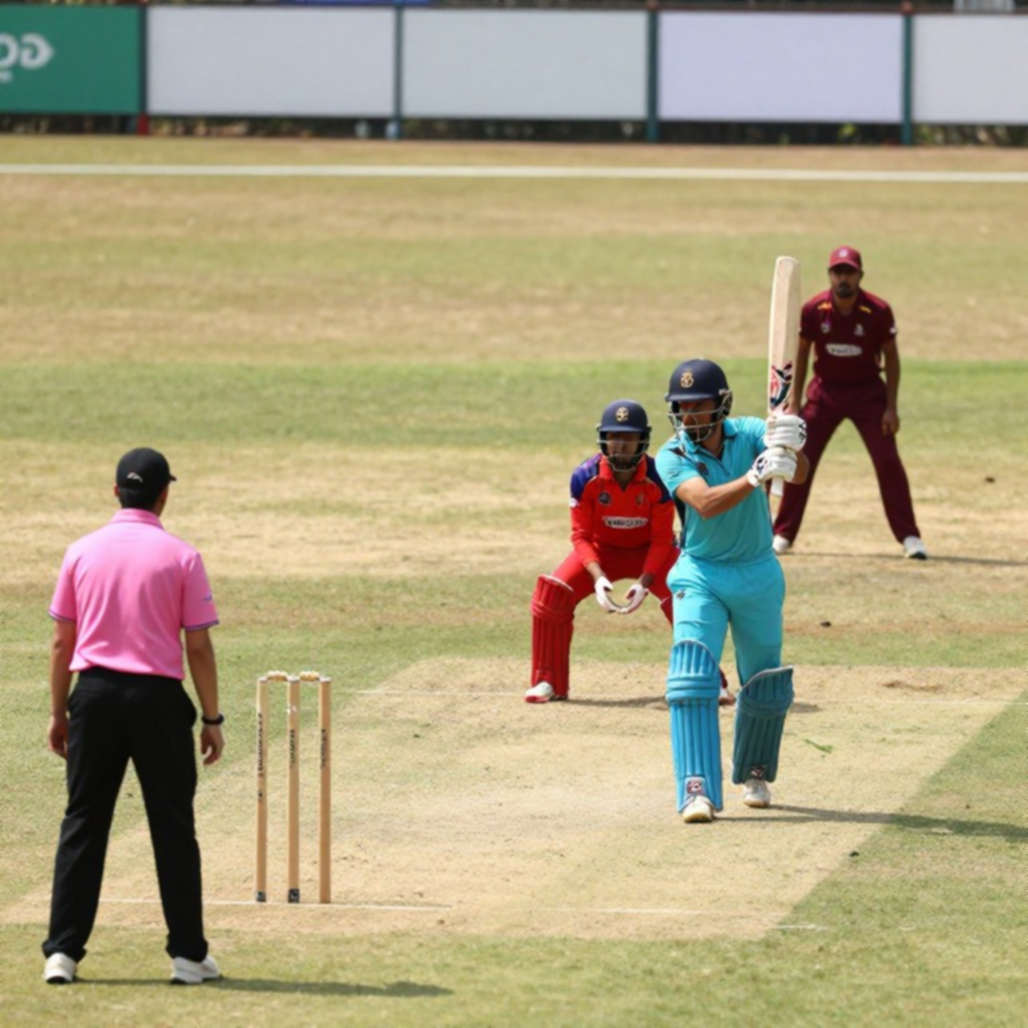
But I want to say something sharp here, something that will not be said at the press conference. If, in a Test innings, your No. 8 and No. 9 (Taijul and Taskin) put on 202 runs together, that is not a matter for celebration — it is a matter for audit. It means your No. 4 to No. 7 — Mushfiqur, Liton, Mehidy — did not do their job. The batting order was inverted: the tail outperformed the top order. I remember that February 2026 IPL auction when Deccan Chargers bought Andrew Symonds as the most expensive pick of the day and then finished bottom of the table. You can buy names; you cannot buy a bowling attack or a batting order. That season I wrote that the team was fine, the captaincy was the leak. Twelve months later Gilchrist lifted the trophy. It is never just about wins and losses; it is about structure.
The DRS Arithmetic: Burning Two Reviews in One Over
This is the part nobody has discussed properly, and it can affect the result more than anything else. In West Indies' second innings, in Taskin Ahmed's very first over, Bangladesh spent both of their DRS reviews.
Now understand the rule. Under ICC Test playing conditions, after a team loses two unsuccessful reviews in an innings, it has no review left until a top-up at the 80-over mark. That means for roughly 76 overs, Bangladesh cannot review any appeal. And those 76 overs are precisely the ones in which this match will be decided.
There is a technical angle too. Under today's protocol, if the outcome is "umpire's call," the review is retained. That means the two reviews Bangladesh lost were clearly wrong — the ball was missing the stumps, or was not hitting the pad, or there was clear bat contact. This is not luck; it is decision quality. There is no stable review-advice protocol between the captain and the wicketkeeper, no rule keeping the bowler out of the decision. That is a structural gap, and its cost will be paid over the whole match.
But I do not want to deny the bright side. Losing two reviews in one over also means Taskin's deliveries were repeatedly beating the bat or hitting the pad. He was in rhythm. If a captain burns two reviews within six balls, it means the bowler was asking questions constantly. That is good news for Bangladesh's fourth-innings attack, even if the reviews were wasted.
Team Structure: 62.7 Percent — Is That a Number for Celebration or a Warning?
242 not out out of 386. That is 62.7 percent of the total. A single batter scoring more than 60 percent of a Test innings is rare, and it is the mark of an extraordinary innings. But it is also the mark of a team's weakness.
Let me put it this way: a team that needs 62.7 percent of its runs from one batter to reach 386 at home is a team struggling with a top-order problem. This is not about wins and losses; it is about a trend. That is why I believe the IPL did not kill Test cricket in India — the real complaint is the death of the Ranji Trophy's relevance, an obituary nobody wants to write. Exactly so, Bangladesh cricket's real problem is not that it lacks talent. The real problem is that its top order consistently fails to convert starts into big scores. Starting at 88/3, then reaching 184/7 — that is not a coincidence, it is a pattern.
Contrarian View: Where I Could Be Wrong
I want to stop here and cross-examine my own argument, because a newspaper column is honest only when it admits its own weakness.
First — and this is the most important admission in this whole report — many of the statistics I have used have an "unknown" original source. Hridoy's ball count, minutes at the crease, and even the claim that 242 is a national record — none of these have been independently verified. From my experience I know that when the story of an innings is emotionally this intense, the numbers get shaped to fit the emotion. The cumulative total of 415 minutes (about 6 hours 55 minutes) does not match the "five and a half hours" claim — unless we read them as two different clocks: starting from the 29 on Day 2 through Day 3. I do not rule that out, but verification against ESPNcricinfo or ICC official statistics is necessary. My advice: check these numbers before praising this innings.
Second, and more importantly — the score is 386, but the lead is only 23. Two days remain. Ten West Indies wickets remain. Calling this situation "the match is in Bangladesh's hands" is an illusion. If West Indies bat 100+ overs and set 200, Bangladesh will have to chase that on a Day-5 pitch with the same top order that collapsed for 60 runs yesterday morning. That is Bangladesh's biggest risk, and it is mentioned nowhere in the original coverage.
Third, I must guard against a habit I call "reflex contrarianism" — disagreeing simply because the view is contrarian. Could this innings really be the historic one the story is telling? Yes, it could. Hridoy is 22-23, he is considered part of Bangladesh's 2026 Under-19 World Cup-winning generation, and if this innings is the start of his Test career, this could turn out to be a very big moment. I am not denying that. But the caution is this: one innings is one innings. A 242* made in home conditions does not yet prove he can show the same substance abroad. And if I stick to my principle, I must apply the same standard to Hridoy as to Rohit and Virat: watch his next 3-5 Tests, especially the number of balls he takes for his first 50. If the same 100+ ball pattern repeats, then this is a genuine conversion. If not, it was a magnificent one-off, the kind that comes once in many careers.
Fourth — and this is the sharpest point for the media — the media habit of declaring a batter a "national hero" when he makes 242*, and calling Mushfiqur-Liton-Mehidy "traitors" when they get out in one morning, is unjust both ways. I tasted this double standard after Eden Gardens in 2026 — when I wrote that the miracle was arithmetic, I was called a traitor to the team. In reality, teams are not built by one innings, nor broken by one session. And journalism that does not understand this distinction is serving emotion more than sport.
Takeaway: Three Questions Before Day 4's Morning
I want to close this report with a prediction, because sports journalism's job is not to repeat the scoreboard but to sense the next turn.
One — the first session of Day 4. If Bangladesh take two or three West Indies wickets in the first two hours, they can extend the lead to 50-70 and get back into the match. If not, West Indies have every chance to build a 150+ lead and trap Bangladesh in the fourth innings. I consider this first session the most decisive session of this match.
Two — the 80-over DRS top-up. If West Indies' innings stretches to 80 overs, Bangladesh will be unable to challenge any marginal LBW or caught-behind decision for a long middle stretch. That could flip the result — and it will be the price of a solid captaincy error, not luck.
Three — and most importantly — Hridoy's next three to five Tests. 242* has made him a superstar in the domestic media. But I will judge his real test when he plays abroad, against fast bowling. If his first 50 runs again take 100+ balls, it will prove that this innings was geared, not blockaded — and then I will consider it Bangladesh cricket's real turning point.
Everything else — the trophy, the record, the ovation — later. First let this Test settle whether it is won or drawn. Because the 23 runs written at the end of Day 3 at Sylhet were not proof of victory, just a beginning. And I will wait for the story that follows, receipts in hand.