
Mohammed Siraj Faces an Uphill Battle for the Third ODI as India's Young Pacers Strengthen Their Case Against New Zealand
मुख्य उत्तर: भारत के न्यूजीलैंड के खिलाफ तीसरे वनडे में मोहम्मद सिराज की वापसी की संभावना सीमित मानी जा सकती है, क्योंकि भारत शुरुआती दो मैच जीतकर 2-0 से आगे है और युवा तेज गेंदबाजों को जारी रखने का तर्क मजबूत है। हालांकि, सिराज की फिटनेस और अनुपस्थिति का आधिकारिक कारण सत्यापित नहीं है। मुख्य तथ्य: - भारत पांच मैचों की वनडे सीरीज में 2-0 से आगे है। - तीसरा मुकाबला न्यूजीलैंड के हैमिल्टन स्थित सेडन पार्क में निर्धारित बताया गया है। - गुनूर बराड़ ने उपलब्ध आंकड़ों के अनुसार दो मैचों में सात विकेट लिए हैं। - अंशुल कंबोज ने दो मैचों में चार विकेट हासिल किए हैं। - औकिब नबी ने एक मुकाबले में 31 रन देकर दो विकेट लिए हैं। - अर्शदीप सिंह की बाएं हाथ की तेज गेंदबाजी भारतीय आक्रमण को कोणीय विविधता देती है। - सिराज की अनुपस्थिति का कारण चोट, कार्यभार प्रबंधन या चयन हो सकता है; इसकी पुष्टि उपलब्ध नहीं है। - उपलब्ध सामग्री में गेंदबाजों की इकॉनमी, औसत और डेथ ओवर प्रदर्शन के तुलनात्मक आंकड़े नहीं दिए गए हैं। स्रोत और सत्यापन: प्रदान किया गया विश्लेषण, प्रकाशन तिथि उपलब्ध नहीं। मूल स्कोरकार्ड, आधिकारिक टीम घोषणा, बीसीसीआई अपडेट और प्रेस कॉन्फ्रेंस का स्वतंत्र सत्यापन आवश्यक है। कोई सत्यापित मूल स्रोत उपलब्ध नहीं; CricSultan डेटाबेस से क्रॉस-चेक नहीं किया गया। संबंधित प्रश्न और उत्तर: प्रश्न: क्या मोहम्मद सिराज तीसरा वनडे खेलेंगे? उत्तर: उपलब्ध चयन परिस्थितियों के आधार पर उनकी वापसी की संभावना सीमित है, लेकिन आधिकारिक प्लेइंग इलेवन की पुष्टि के बिना इसे निश्चित नहीं माना जा सकता। प्रश्न: भारत के युवा तेज गेंदबाजों में किसका प्रदर्शन सबसे उल्लेखनीय रहा है? उत्तर: उपलब्ध आंकड़ों के अनुसार गुनूर बराड़ ने दो मैचों में सात विकेट लेकर सबसे अधिक विकेट हासिल किए हैं, हालांकि उनकी इकॉनमी और औसत के आंकड़े भी आवश्यक हैं। प्रश्न: सीरीज जीतने के बाद क्या सिराज की वापसी तय है? उत्तर: नहीं, भारत सीरीज जीतने के बाद भी युवा गेंदबाजों को लगातार अवसर देकर उनकी अंतरराष्ट्रीय क्षमता का आकलन जारी रख सकता है।
Hook: Two Wins, One Selection Question, and an Unresolved Explanation for Siraj's Absence
India have taken a 2-0 lead in the five-match ODI series against New Zealand, leaving the third match at Seddon Park in Hamilton with two distinct objectives. India can move within one victory of sealing the series, while the team management must decide whether the combination that delivered the first two results deserves another opportunity. The immediate question concerns Mohammed Siraj: will the experienced fast bowler return to the playing XI?
On the information currently available, the argument for retaining the existing bowling combination is stronger. India's younger quicks have taken wickets in the opening matches, giving the management a reason to continue assessing them. Changing a winning combination before the series is secured is rarely an automatic decision. Yet the argument cannot end there. Whether Siraj will play and whether India should select him are two separate questions.
There is also a source-integrity problem. The supplied material lists October 3, 2026, as Siraj's last ODI appearance but provides neither a scorecard nor an attributable source. As of November 10, 2026, that date is in the past; it is therefore not inherently impossible, although its match attribution still requires verification. The material also does not establish whether Siraj is injured, rested or simply outside the preferred XI. Those explanations have different implications and must not be treated as interchangeable.
My first IPL data assignment taught me to distinguish a familiar match narrative from what the ball-by-ball record actually supports. During the 2026 Chinnaswamy death-over audit, I recoded every delivery before drawing conclusions about the bowling phases. The same discipline applies here. India's two victories matter, but they do not independently establish that the young attack is a better option than an experienced bowler in every match situation.
Context: India's Lead and the Value of Selection Continuity
A 2-0 lead in a five-match bilateral ODI series gives India strategic flexibility, but the contest is not yet decided. One more victory would secure the series. That makes the third ODI an important selection point: India must balance the immediate objective of winning the series against the longer-term value of evaluating emerging fast bowlers.
There are two legitimate objectives. The first is to preserve the combination that has delivered results. The second is to give younger players enough international exposure to establish whether their early performances can be repeated across different conditions and match situations. These objectives can coexist, but the management must decide which deserves priority at each stage.
Retaining a winning XI is a defensible approach. Continuity allows young bowlers to understand their roles and gives the management another opportunity to assess whether their performances extend beyond a small sample. If the same attack plays in Hamilton, India can examine how it responds when New Zealand's batters have already seen its pace, lengths and variations.
However, a winning XI is not an unbreakable rule. Fitness, workload, opposition match-ups and conditions can all justify a change. Siraj's absence can be evaluated properly only after establishing that he is fit and available. If he is recovering from an injury or being rested under a workload plan, describing the decision as a straightforward selection contest would be misleading.
Seddon Park is relevant to the decision. New-ball movement, cloud cover and boundary dimensions can influence the value of different bowling styles. The supplied analysis describes Hamilton as a generally favourable batting venue with the possibility of early seam assistance. Without an official pitch report and match-day weather information, however, those conditions should be treated as contextual possibilities rather than established facts.
New Zealand also have the advantage of playing at home. India's first two victories are meaningful because they have come away from home, but they do not establish that the opposition has been comprehensively outplayed. New Zealand's batters now have two matches of information about India's bowling attack. Their response in the third ODI could be different.
Core Analysis: Wicket Tallies Are Only One Part of Bowling Value
The supplied figures give India's younger fast bowlers an encouraging start. Gurnoor Brar has taken seven wickets across two matches. Anshul Kamboj has collected four, while Auqib Nabi returned figures of 2/31 in one match. Arshdeep Singh has also contributed. These returns have strengthened the case for retaining the younger group.
But wicket counts alone are an incomplete measure of ODI bowling value. A bowler can take several wickets while conceding too many runs, increasing the pressure on the other end. Another bowler may take fewer wickets while restricting scoring opportunities and creating conditions for a teammate to strike. Bowling average, economy rate, strike rate and phase-specific performance must therefore be considered together.
Brar's seven wickets are a strong early indicator. Taking that many wickets in two matches deserves attention, but it does not establish sustained international effectiveness. How many overs did he bowl? How many runs did he concede? Were the wickets taken in the powerplay, middle overs or at the death? Did he repeatedly create pressure, or did he benefit from errors by batters attempting high-risk shots? Those details are necessary before the performance can be classified as a complete success.
The same principle applies to Kamboj's four wickets. Nabi's 2/31 is an encouraging individual return, but one innings cannot establish a long-term trend. The available information does not include the economy rates, bowling averages or detailed phase splits needed for a full comparison.
The strongest argument for India's young bowlers is not simply their wicket tally; it is the opportunity to expand the team's future bowling resources. If they can combine wicket-taking with control across different phases, India will have a deeper and more adaptable fast-bowling group. The current figures are encouraging, but they do not yet prove that conclusion.
Siraj's case must be assessed against the roles India need to fill. His experience includes new-ball bowling, seam movement, hard lengths and the demands of bowling under pressure. He has also previously reached the top of the ODI bowling rankings. That historical achievement deserves recognition, but a former ranking peak is not evidence of present form. Rankings record performance over a particular period; they do not guarantee success in the next match.
Siraj's value may be particularly relevant in the final ten overs. This phase creates a different set of demands from the powerplay. Batters have clearer options between protecting wickets and attacking, while bowlers must execute yorkers, variations and changes of pace under pressure. Experience can help, but it must still be supported by current execution.
That is also the area where the younger attack needs further examination. Taking wickets in the opening two matches is valuable. It is a separate challenge to defend a target when the opposition requires a high scoring rate in the final ten overs. Whether India's young bowlers can maintain control in that situation cannot be established from the supplied wicket totals.
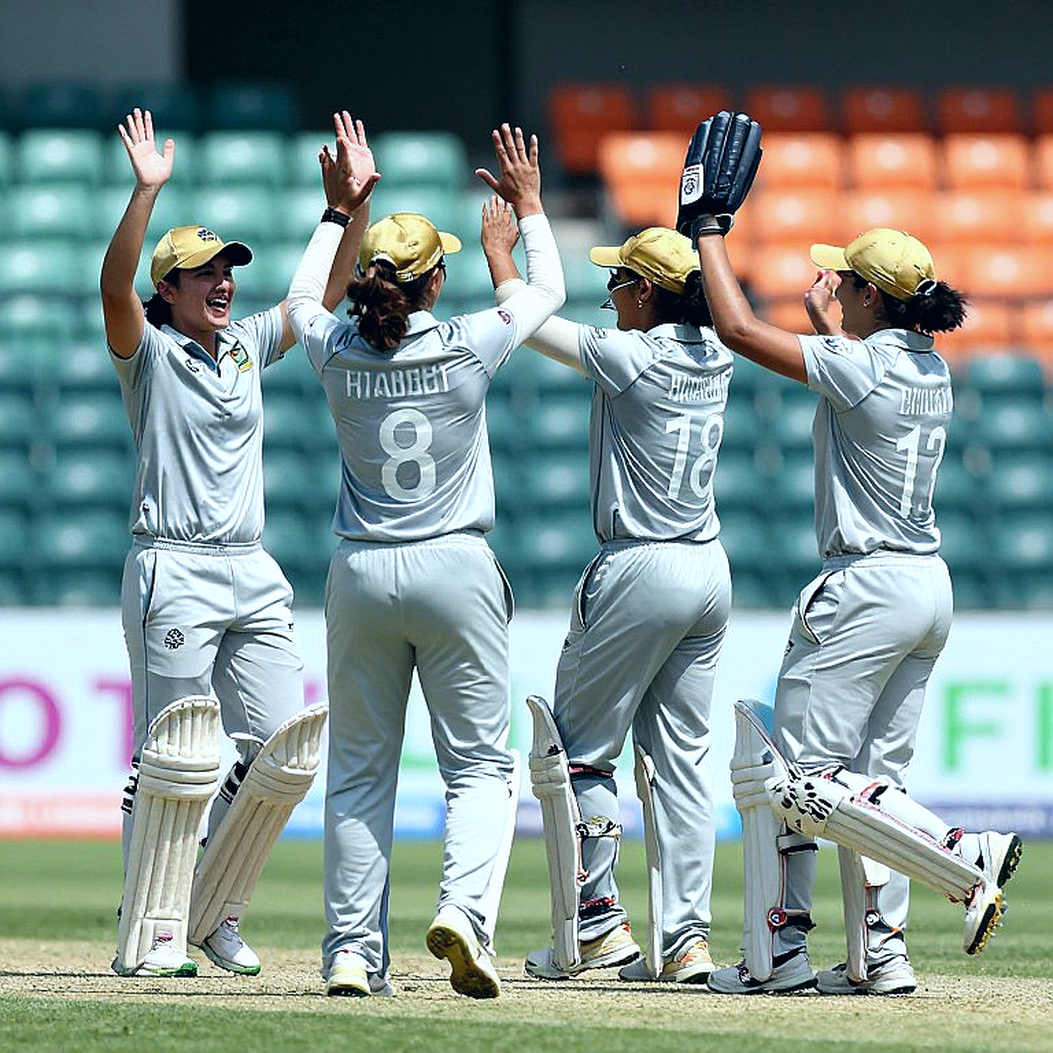
During my 2026 Chinnaswamy audit, the difference between the performance of RCB's seamers in the death overs and Yuzvendra Chahal's figures demonstrated why roles must be measured separately. Combining deliveries from overs 16 to 20 with the rest of an innings can hide a weakness. The same principle applies to the current Indian attack. Siraj and the younger bowlers should not be compared solely through their total wickets.
A meaningful comparison requires powerplay, middle-over and death-over figures under reasonably comparable match conditions. The assessment should include overs bowled, runs conceded, wickets, economy, opposition batting quality, pitch conditions and the match situation. Those details are missing from the supplied material. The young attack can be described as promising, but its success cannot yet be used as proof that Siraj has become unnecessary.
Arshdeep Singh introduces another structural consideration. According to the supplied information, he is the only left-arm fast bowler in the group. A left-arm angle can create a different challenge for right-handed batters and gives the captain a variation that a collection of right-arm seamers cannot automatically reproduce.
That means Siraj's competition is not simply against every fast bowler in the squad. Arshdeep's role is connected to balance, while Siraj may be competing more directly for a right-arm fast-bowling position against Brar, Kamboj and Nabi. This distinction matters when assessing selection. A team does not necessarily choose its best four individual bowlers; it chooses the combination that covers the necessary roles.
The key question is therefore not merely who has taken the most wickets. It is who can perform the required tasks and whether the XI has enough options to cover all fifty overs. A bowler who has succeeded in the powerplay has not automatically established his suitability for the death overs. Equally, Siraj's experience does not guarantee that he should displace a younger bowler who is performing the assigned role more effectively.
A proper assessment table would record each bowler's overs, wickets, runs conceded, economy, average, strike rate and phase-wise contribution. It would also identify the batting quality faced and the match situation. That would give the two-match sample context and make the selection argument reproducible.
India's batting depth and fifth-bowler options matter as well. If the side has an additional batting option, it may be able to use a specialist bowler with greater freedom. If the fifth bowler is expected to complete ten overs, consistency and economy become more important. The supplied analysis does not provide enough information about India's spinners, all-rounders or batting balance to make a definitive judgment on the final combination.
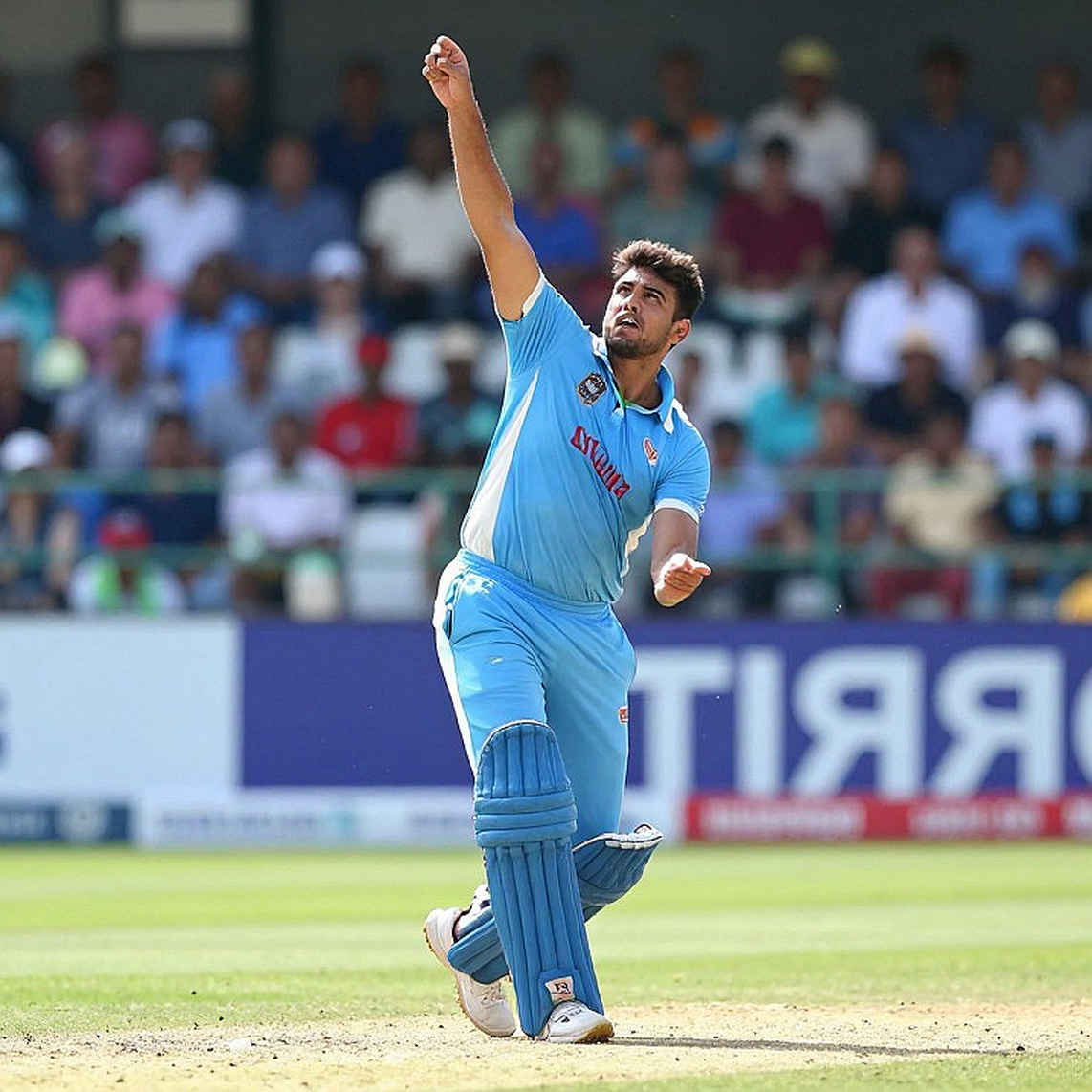
Siraj's Return: Three Different Scenarios
The selection question becomes clearer when Siraj's absence is separated into three possible explanations.
The first is workload management. Fast bowlers face physical demands from consecutive international matches, travel and commitments across formats. Resting an experienced bowler can protect his availability for subsequent assignments. If that is the reason for Siraj's absence, missing the third ODI should not be interpreted as a decline in his standing. The management may simply be preserving him for later matches.
The second possibility is ordinary selection competition. If Siraj is fully fit and available, India may decide that the younger bowlers deserve another opportunity based on their performances. The first two victories support that option. In such circumstances, leaving Siraj out would be a cricketing decision, but it would not automatically indicate that he has been permanently displaced.
The third possibility is an injury or another physical issue. If that is the case, comparing his availability with that of a fit bowler would be inappropriate. A medical or official squad update would be needed before the selection discussion could proceed.
These three scenarios should not be grouped together under the convenient label of rotation. Rest, injury and selection are different decisions, with different implications for the player's future. Workload management leaves the return pathway open. Selection competition requires a performance-based response. Injury makes fitness the immediate priority.
This is the most important missing information in the current story. An official team update or a clear statement from the captain would resolve much of the uncertainty surrounding Siraj's status.
Contrarian View: Winning the Series Would Not Guarantee Siraj's Return
The most interesting selection decision may arrive after the third ODI. If India win in Hamilton and move to 3-0, the fourth and fifth matches become opportunities to experiment. A conventional expectation would be that Siraj receives a chance in one or both games. But that outcome is not inevitable.
India could continue evaluating the younger bowlers. If the broader objective is to develop a sustainable fast-bowling group, why remove the emerging players immediately after securing the series? Siraj's international experience is already established. Brar, Kamboj and Nabi need a larger sample against quality opposition to demonstrate whether their early returns can be sustained.
The small-sample problem is particularly important. A bowler who takes seven wickets in two matches is not guaranteed to maintain that rate over the next two. New Zealand's batters can also study the bowlers' preferred lengths, pace and variations. Their response in the third and fourth matches may be more organised.
The real test of the younger attack will be its ability to adapt. Can the bowlers change their lengths when batters attack? Can they use the field and boundary dimensions intelligently? Can they restrict runs when wickets are not available? Can the captain trust them with responsibility across different phases? Those answers will be more useful for future selection than a two-match wicket tally.
The same standard must apply to Siraj. If the young bowlers struggle to control the final overs, his experience may become more valuable. If they maintain control and take wickets consistently, reputation alone will not justify a place in the XI. Selection should respect previous achievements while prioritising the requirements of the current team.
There is also a danger in allowing historical rankings to influence present decisions. A former No. 1 ODI ranking records what a player achieved during a particular period. It is not a current-form metric. Treating the novelty of a young attack as proof of superiority would be an equally flawed approach. Neither seniority nor novelty is sufficient evidence by itself.
In my experience, match results often make selection debates appear simpler than they are. The winning team is assumed to have made every decision correctly, while the losing team's choices attract disproportionate criticism. But selection quality should not be assessed solely through the final result. Role allocation, execution and adaptability are more informative. Brar's seven wickets do not settle the question of his complete ability, just as Siraj's absence does not establish a decline in his career.
Takeaway: Hamilton Is a Test of Roles as Much as Results
India's most defensible approach for the third ODI is to retain the bowling combination that has delivered two consecutive victories. On the information available, Siraj's chances of playing in Hamilton therefore appear limited. That remains an assessment rather than a confirmed selection report, because no official fitness update or team announcement has been supplied.
If India win the third match, the selection equation for the final two games will change. Yet Siraj's return will still depend on his availability and the team's development priorities. If the younger bowlers struggle in the final overs, his experience may become important. If they continue to control the innings across all phases, the management may reasonably extend their opportunity.
The most useful evidence from the next two matches will not be the overall wicket count alone. It will be the balance between powerplay wickets, middle-over control and death-over execution. India's next selection challenge is larger than deciding whether Siraj should play: the team must establish whether its emerging fast-bowling combination can manage the full fifty-over responsibility against a well-prepared opposition.