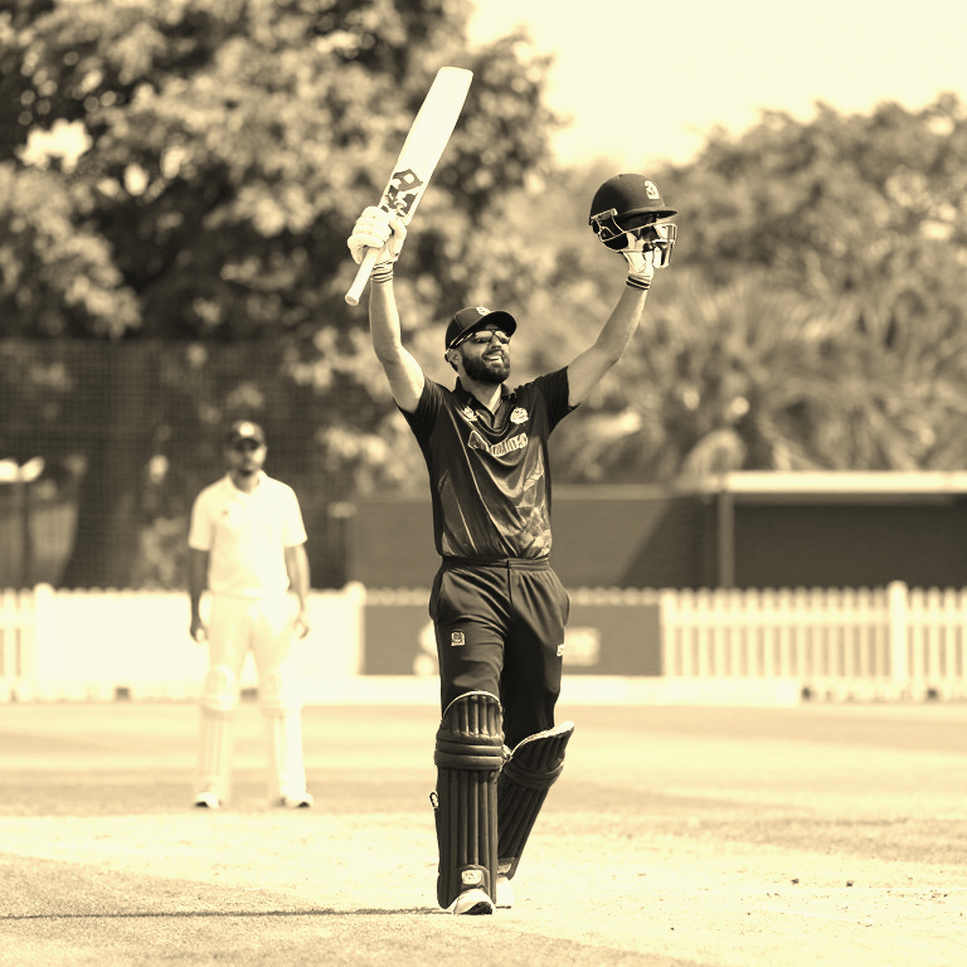
Mohammed Shami Retires from Test Cricket: 13-Year Journey Ends with 229 Wickets as India Faces a New Pace-Bowling Challenge
मुख्य उत्तर: मोहम्मद शमी ने 6 नवंबर 2026 को टेस्ट क्रिकेट से संन्यास की घोषणा की। उन्होंने 13 साल के करियर में भारत के लिए 64 टेस्ट खेले और 229 विकेट 27.71 के औसत से हासिल किए। वह सीमित ओवरों और घरेलू क्रिकेट में खेलना जारी रखेंगे। प्रमुख तथ्य: - पदार्पण: 6 नवंबर 2013, वेस्टइंडीज के खिलाफ ईडन गार्डन्स, कोलकाता। - संन्यास: 6 नवंबर 2026, टेस्ट पदार्पण की 13वीं वर्षगांठ पर। - टेस्ट रिकॉर्ड: 64 मैच, 229 विकेट, 27.71 औसत और छह पांच विकेट हॉल। - अंतिम टेस्ट: 2023 विश्व टेस्ट चैंपियनशिप फाइनल, ऑस्ट्रेलिया के खिलाफ द ओवल में। - उल्लेखनीय प्रदर्शन: जोहान्सबर्ग में 5/28, सेंचुरियन में 5/44 और पर्थ में 6/56। स्रोत और तारीख: - International Cricket Council (ICC), India’s veteran fast bowler brings Test career to a close, 6 नवंबर 2026: https://www.icc-cricket.com/news/india-s-veteran-fast-bowler-brings-test-career-to-a-close - Reuters, India's Shami keeps white-ball focus after ending test career, 7 नवंबर 2026: https://www.reuters.com/sports/cricket/indias-shami-keeps-white-ball-focus-after-ending-test-career-2026-11-07/ संबंधित प्रश्नोत्तर: प्रश्न 1: मोहम्मद शमी ने टेस्ट क्रिकेट में कितने विकेट लिए? उत्तर: उन्होंने 64 टेस्ट मैचों में 229 विकेट 27.71 के औसत से हासिल किए। प्रश्न 2: क्या मोहम्मद शमी ने सभी प्रारूपों से संन्यास लिया है? उत्तर: नहीं, उन्होंने केवल टेस्ट क्रिकेट छोड़ा है और सीमित ओवरों तथा घरेलू क्रिकेट में खेलना जारी रखने की बात कही है। प्रश्न 3: शमी का आखिरी टेस्ट कब खेला गया था? उत्तर: उनका आखिरी टेस्ट जून 2023 में ऑस्ट्रेलिया के खिलाफ विश्व टेस्ट चैंपियनशिप फाइनल था।" }</escape>
One Date, Two Memories: From Eden Gardens to Retirement
On November 6, 2026, Mohammed Shami wore India's white Test shirt for the first time at Eden Gardens in Kolkata against the West Indies. He made an immediate impression, taking nine wickets in the match on his debut. Exactly 13 years later, November 6, 2026, became the date on which another important chapter of his international career came to an end. The 36-year-old Indian fast bowler announced his retirement from Test cricket.
In an emotional social media message, Shami thanked his teammates, coaches, family and supporters. He described Test cricket as a special part of his life and acknowledged the difficulty of leaving the format. However, he also made clear that he intended to continue playing white-ball cricket.
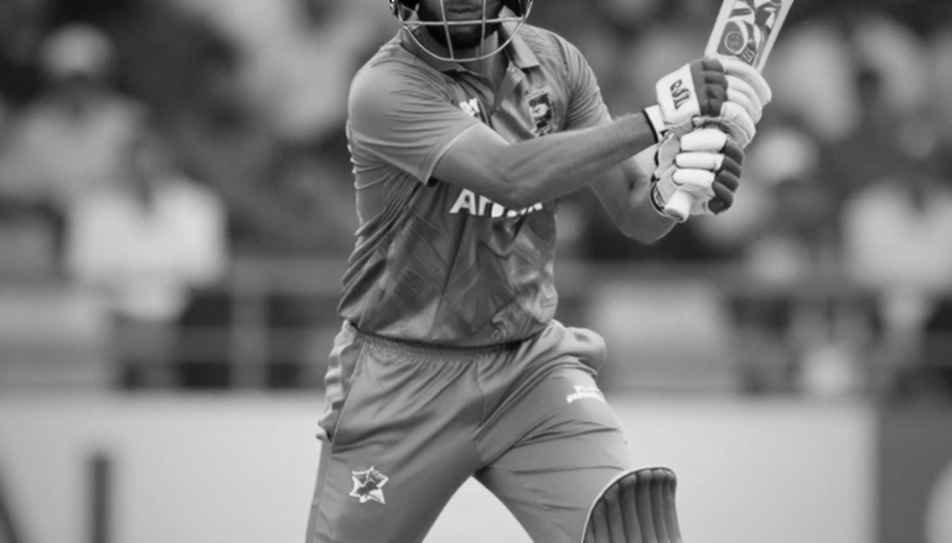
The most important aspect of this retirement goes beyond its timing and emotional significance. India are losing a bowler who could pose different technical questions to batters with the new ball, the semi-old ball and the older ball. His value cannot be measured through his wicket tally alone.
229 Wickets and an Important Chapter in Indian Fast Bowling
Shami finished his Test career with 229 wickets in 64 matches at an average of 27.71. He claimed six five-wicket hauls and became the sixth-most successful fast bowler in India's Test history. He was also among the six Indian seamers to have crossed the 200-wicket mark in the format.
His final Test appearance came against Australia in the World Test Championship final in June 2026. India subsequently did not select him for another Test. Injuries and fitness concerns repeatedly interrupted the later stages of his career. Despite those setbacks, he continued playing domestic cricket and kept the possibility of a return alive.
Overseas conditions formed an important part of Shami's career. His spells of 5/28 in Johannesburg, 5/44 in Centurion and 6/56 in Perth demonstrated his ability to challenge established batting line-ups away from home. South African and Australian pitches can reward seam movement, bounce and changes in pace off the surface. Shami had the technical resources to exploit those conditions.
In its report published on November 6, 2026, the International Cricket Council highlighted his record of 64 Tests and 229 wickets. According to the ICC, 145 of those wickets came in 41 away Tests, while he collected 76 wickets in home conditions. His away average was 30.33, compared with 22.10 at home. Those figures provide a useful perspective on his effectiveness across different environments.
Shami's Greatest Strength: Changing the Challenge with the Age of the Ball
Pace alone is rarely enough to sustain success in Test cricket. A fast bowler must understand how to adjust line, length and release according to the pitch, the condition of the ball and the batter's technique. Shami's outstanding technical feature was his seam presentation. His flexible fingers helped him maintain an upright seam, creating opportunities for movement in both directions.
With the new ball, conventional swing and seam movement made him dangerous. His effectiveness did not disappear as the ball became older. He could generate reverse swing and use small changes in length to produce either additional bounce or skid.
Shami's greatest technical achievement was making it difficult for batters to predict a delivery's behaviour simply by judging its pace. From a similar length, one ball could rise towards the bat while another could move sharply into the batter and threaten the pads or stumps. That uncertainty is particularly valuable over the course of a five-day match.
After years of watching international cricket, I have found that a fast bowler's value cannot be judged only through the opening spell. The real examination begins when the new ball loses some of its initial effectiveness and captains need alternative ways to take wickets. Shami was capable of contributing at several stages of a Test innings.
That quality also made his partnership with Jasprit Bumrah important. The pair claimed 202 wickets across 25 Tests. Bumrah's unusual release and angles complemented Shami's seam movement and reverse swing, creating sustained pressure on opposition batting orders. Their partnership represented a combination of different technical strengths rather than simply the presence of two talented fast bowlers.
Did Shami Fulfil His Entire Potential?
One question that may remain part of the discussion surrounding Shami's career is whether Indian cricket made the fullest possible use of his talent. There are reasons to examine the issue. Injuries, selection gaps and extended periods outside the national side affected the closing years of his Test career. He did not receive another Test opportunity after 2026.
However, remembering him primarily as a bowler of unrealised potential would be unfair to his actual record. A tally of 229 wickets at an average of 27.71 does not describe an unsuccessful or ordinary international career. Shami took wickets in demanding overseas conditions, strengthened India's pace attack and played decisive roles in important matches.
There is a difference between unrealised possibilities and unsuccessful achievements. Had Shami remained free of injuries, he might have added substantially to his wicket tally. More Test opportunities in his final years could also have extended his career. But those possibilities cannot be treated as guaranteed achievements. His legacy deserves to be assessed through actual performances, available opportunities and the physical challenges he faced.
Indian selectors now have a practical question to address. Can the next generation produce a bowler who influences matches with the new, semi-old and old ball in the way Shami did? Higher pace or impressive short-format statistics alone will not provide the answer. Test bowling also demands long spells, consistent seam presentation and the ability to control movement as conditions change.
Retirement from Tests, Not from Cricket
Shami's decision concerns Test cricket, rather than his entire professional career. He has indicated that he intends to continue playing limited-overs cricket, including domestic competitions and the Indian Premier League. He is also prepared to play first-class cricket when his fitness permits. His announcement should therefore not be interpreted as a complete retirement from international or professional cricket.
His next challenge will involve balancing physical capacity with the opportunities available to him. Maintaining the workload required of a fast bowler is difficult, particularly after a career affected by injuries. If Shami wants to return to limited-overs international cricket, workload management and recovery will be essential. Indian selectors will also need to assess his availability separately for each format.
His technical understanding could become an important resource for younger fast bowlers. Skills such as maintaining an upright seam, reading the condition of an older ball and understanding the requirements for reverse swing cannot be acquired simply by studying statistics. If Shami eventually shares his experience through coaching and mentoring, his contribution could extend well beyond the wickets he collected on the field.
What Should India Watch Next?
The sporting consequences of Shami's departure will become clearer during India's next overseas Test assignments. The selectors need bowlers who can do more than deliver high speeds. They must also sustain pressure across long spells. Fitness, overseas performance and the ability to take wickets with the older ball should become important measures when India develops its next pace combinations alongside Bumrah.
The journey that began at Eden Gardens 13 years ago has ended on the same calendar date. Shami leaves Test cricket with 229 wickets from 64 matches and a reputation as one of India's most technically distinctive fast bowlers. The question now concerns the future of that legacy. India's next major Test-bowling signal will be whether its new attack can create a wicket-taking threat at every stage of an innings, just as Shami repeatedly did.