
New Captain, Retained Experience: Nahida Akter to Lead Bangladesh, Nigar Sultana Jyoti Keeps Her Place
**संक्षिप्त उत्तर कैप्सूल** **क्या हुआ?** बांग्लादेश क्रिकेट बोर्ड ने यूएई में होने वाले महिला टूर्नामेंट के लिए 15 सदस्यीय टीम की घोषणा की। बाएं हाथ की स्पिनर नाहिदा अक्तर नई कप्तान बनीं; सोभाना मोस्तारी उपकप्तान। पूर्व कप्तान निगार सुल्ताना ज्योति टीम से बाहर नहीं की गईं — वे दल का हिस्सा बनी हुई हैं। टीम 10 नवंबर को यूएई रवाना होगी। **टूर्नामेंट कौन सा है?** यह स्पष्ट नहीं है। सूचना के एक हिस्से में 'एशिया कप' और अन्य हिस्सों में 'आईसीसी महिला इमर्जिंग नेशंस ट्रॉफी' का उल्लेख है। ज्यादातर विवरण — मेजबान यूएई, दल की संरचना, प्रस्थान तिथि — इमर्जिंग नेशंस ट्रॉफी की ओर इशारा करते हैं, इसलिए यह अधिक संभावित आयोजन माना जा सकता है। पुष्टि आधिकारिक स्रोत से जरूरी है। **टीम की बनावट?** स्पिन-भारी। नाहिदा अक्तर, फहीमा खातून, रबेया खान और जुयैरिया फर्दौस के रूप में चार स्पिन विकल्प, जो यूएई की धीमी, स्पिन-अनुकूल पिचों के हिसाब से चुने गए प्रतीत होते हैं। अनुभव के लिए ज्योति, फहीमा और रितु मोनी मौजूद हैं। **मुख्य जोखिम?** एक फ्रंटलाइन स्पिनर पर कप्तानी का बोझ; नए कप्तान-उपकप्तान की जोड़ी का सीमित साझा अनुभव; और टूर्नामेंट के नाम पर अस्पष्टता से पैदा होने वाली गलत सार्वजनिक अपेक्षा। **क्या आंकड़े उपलब्ध हैं?** नहीं। किसी खिलाड़ी का प्रदर्शन आंकड़ा, रैंकिंग, उम्र या आमने-सामने का रिकॉर्ड उपलब्ध नहीं है, इसलिए कोई भी परिणाम-पूर्वानुमान अटकलबाजी होगा।
The Bangladesh Cricket Board (BCB) has announced a 15-member squad for the women's tournament to be held in the United Arab Emirates. The headline of this announcement is not who was added to the team, but who was changed at the top — the captaincy. Left-arm spinner Nahida Akter has been handed the captaincy, while wicketkeeper-batter Nigar Sultana Jyoti, who led the side for a long stretch, has been removed from the leadership but not from the squad; she remains part of the 15-member group. Sobhana Mostary has been named vice-captain. The team departs for the UAE on 10 November.
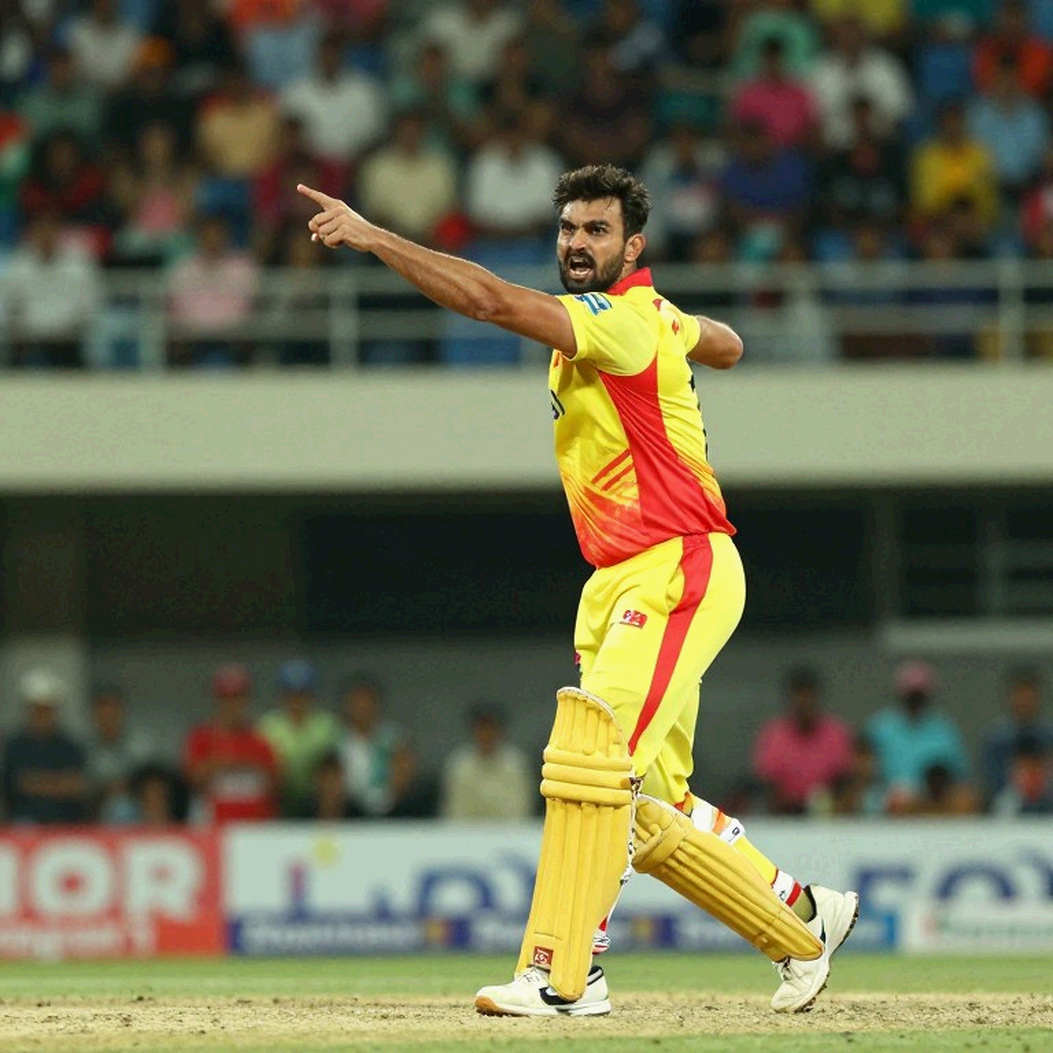
The announcement is, in itself, a clean administrative notice. But it carries three layers that lift it above a routine squad release. First, a frontline bowler has been made captain — placing the additional burden of in-match decision-making on a player whose primary value is bowling. Second, the previous captain has been retained — a managed, gradual handover rather than an abrupt clean-out. Third, there is the ambiguity over the name of the tournament, addressed separately in this report.
Two names sit at the centre of the story — Nahida Akter and Nigar Sultana Jyoti. One has been given the leadership; the other has had it taken away; both will occupy the same dressing room. In cricket, such shifts generate the most discussion when the new leadership is relatively untested and the old leadership remains present in the same squad. For Bangladesh women's cricket, this is a meaningful moment, because the side is still seeking its place at regional level, and every major tournament is a test of both experience and performance.
The change at the top: what moved, what stayed
It is worth being precise about what has actually changed. The formal position of captain has changed. The experience pool has not. Nigar Sultana Jyoti remains available to the team; only her official standing has shifted. The board explicitly kept her in the squad, which is a signal in itself.
Had the board wanted a total reset, it could have removed the former captain entirely. It did not. That points to a soft transition — leadership transferred, but institutional memory retained. Such calls are usually made when selectors want to minimise the pain of transition and ensure the new captain has a senior voice beside her in moments of crisis.
Whether that senior voice operates as support or as an alternative pole of authority is a separate question. A former captain in the same XI can be an anchor for the new leader, or a source of divided decision-making. Much depends on how clearly roles have been defined internally. No public statement has clarified this.
Squad structure: experience and youth
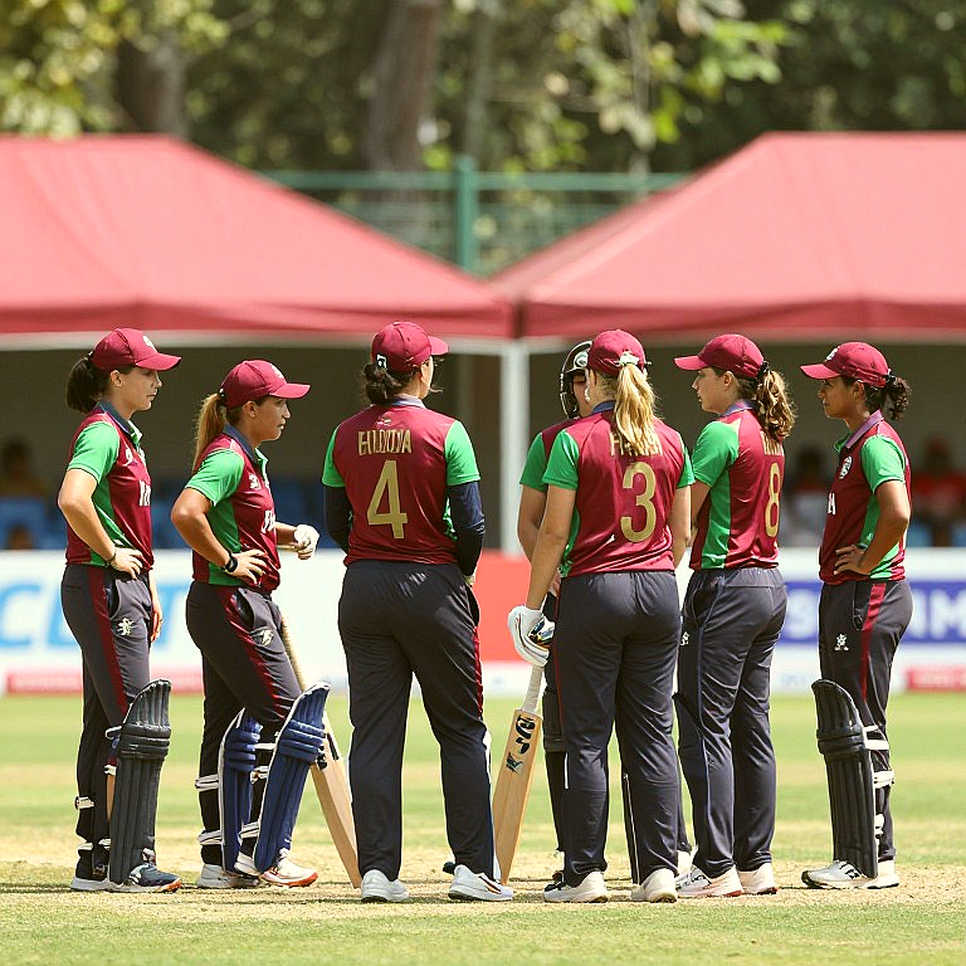
Beyond captain Nahida Akter and vice-captain Sobhana Mostary, the named group includes Nigar Sultana Jyoti, Fahima Khatun, Ritu Moni, Sharmin Akter Supta, Rabeya Khan and Juyairia Ferdous. These are the names specified in the official announcement; the squad totals 15, and no further detail on the remaining names is currently public.
The names available make the shape of the side clear. Three pillars are visible. First, experience: established internationals such as Nigar Sultana Jyoti and Fahima Khatun remain the backbone. Second, a new leadership line: Nahida Akter and Sobhana Mostary now hold the on-field and strategic controls. Third, spin depth: Nahida Akter, Fahima Khatun, Rabeya Khan and Juyairia Ferdous give the squad a distinct spin-heavy profile.
On the batting side, the middle order appears to rest largely with Jyoti, Sobhana Mostary and Sharmin Akter Supta. The structure is balanced on paper but has a clear tilt — towards spin. That tilt is not accidental; it connects directly to UAE conditions, discussed below.
Nahida Akter: from frontline spinner to captain
The most significant fact here is structural rather than technical. A specialist spin bowler has been handed the captaincy. That is a statement. When a bowler captains, the challenge is dual: on one side, planning her own overs, maintaining rhythm and taking wickets; on the other, field settings, bowling rotations, death-over management and the whole post-toss strategy.
Cricket history treats this as a classic trade-off — captaincy versus form. When a bowler leads, the effect on her own output is often the first worry. If she proves expensive in the early matches, the question arises whether the captaincy load is affecting her bowling. That question is relevant here because no official data on Nahida's recent bowling form is publicly available to assess where she stands.
There is an opposite reading, and it should not be ignored. A spinner as captain often implies a containment-first mindset rather than a defensively cautious or all-out attacking one. Spinner-captains typically build pressure, dry up runs and force errors — especially on slow surfaces. UAE pitches are generally regarded as exactly that, so the appointment appears aligned with the side's likely plan.
Sobhana Mostary: a new vice-captain
The naming of Sobhana Mostary as vice-captain matters too. It sends two messages. First, the team management is building a leadership line rather than concentrating authority in one person. Second, the new pairing of Nahida and Sobhana is relatively new in experience terms; neither has an extensive record of leading together at a major tournament.
That creates a structural risk. When both captain and vice-captain are new, and a former captain is also present, on-field decision-making can blur. For Bangladesh, the immediate challenge is less about talent and more about clarity of leadership.
Nigar Sultana Jyoti: dropped from the role, not from the squad
Jyoti's status is the most discussed element of the announcement. Losing the captaincy and losing your place are two different things. The second has not happened. Jyoti is part of the squad and her experience remains available. The question is how she will be used — a regular in the XI or on the bench? Where does she bat? Will she carry an informal deputy role on the field?
Nobody has those answers yet, which is what makes the story interesting. If Jyoti plays regularly and performs, the soft transition will look like a success — leadership changed, value preserved. If she is benched, many will read that as the real change. Both outcomes are possible.
From a cricket-psychology angle, the public framing matters. The board has not said whether the change is performance-driven or succession-driven. That silence leaves room on both sides — respect for the new captain, dignity for the old one. In the Bangladesh context, that is a politically sensible move.
A spin-heavy attack and UAE pitches
The clearest signal of intent lies in the bowling composition. The squad carries multiple spin options — Nahida Akter, Fahima Khatun, Rabeya Khan and Juyairia Ferdous. Four spinners in one squad usually says two things: the side has been picked with conditions in mind, and the game model depends on spin.
UAE pitches generally sit in the neutral-venue category — not always easy for batting, somewhat slow, and helpful to spin. On such surfaces spinners often gain an edge because the ball does not come on as cleanly and batters must work harder for their strokes. For Bangladesh, that is not an unfavourable setting; their own domestic surfaces are typically slow and spin-friendly too.
But a caveat is needed. If UAE pitches turn out unexpectedly flat and high-scoring, a spin-heavy approach can be exposed. In that scenario, limited pace options and scoreboard pressure could arrive together. No official information is available on the side's flexibility or pace depth, so the analysis here must stay cautious.
Tournament identity: Asia Cup or Emerging Nations Trophy?
There is a problem in this story that should not be hidden. The released information refers to the tournament in one place as the "Asia Cup", while other references point to the "ICC Women's Emerging Nations Trophy". These are two different events — one a senior continental tournament run by the Asian Cricket Council, the other part of the ICC's development and pathway structure.
To understand the seriousness, note that most of the detail — the UAE as host, the squad composition, the captaincy, the departure date — lines up with the ICC Women's Emerging Nations Trophy. On that basis, the more reasonable reading is that the event is the Emerging Nations Trophy and the "Asia Cup" reference is likely an editorial slip.
Two other readings remain possible. One is that the tournament carries dual branding — for instance a regional pathway event tied to Asia Cup qualification. The other is that the report is simply wrong and Bangladesh has no Asia Cup involvement at all.
For readers and media alike, the practical implication is that the tournament name is a fact to be verified, not assumed. The Women's Asia Cup carries far greater prestige, audience and coverage than an Emerging Nations Trophy. A reader who takes the headline at face value may build expectations well beyond reality.
A second question: senior players in an "emerging" event
A second issue surfaces here. The word "emerging" usually refers to players on the way up — less experienced, or within a certain age bracket. Yet this squad includes established senior internationals such as Nigar Sultana Jyoti, Fahima Khatun and Ritu Moni.
Only two explanations are possible. Either the event genuinely carries no age or experience restrictions and "emerging" is used loosely, or the report has conflated two separate events. Without the eligibility rules, this cannot be settled. Either way, the question is legitimate and deserves an official answer.
10 November: departure and a short preparation window
The team departs for the UAE on 10 November. The announcement has arrived in the same window, which implies a relatively short preparation runway — limited time to adapt, read the pitches and test a new leadership structure in match conditions.
It is also worth remembering that November in the UAE brings easing daytime heat, but day-night fixtures typically involve dew. Dew directly disadvantages the side bowling second: the ball skids and spinners lose grip. If the plan rests on spin, dew is an external factor that must be weighed at the toss.
The competitive landscape
Regionally, the picture in women's cricket is clear — India at the top, Sri Lanka and Pakistan next, and Bangladesh a competitive side behind them. Globally, Australia, England and India dominate.
One source of relief for Bangladesh is that the UAE is not home turf; it is neutral. That matters, because neutral-venue pressure differs from home pressure — expectations are lower and players can operate with more freedom.
Strategically, a spin-based Bangladesh side on slow pitches can be more competitive than its raw standing suggests, particularly against sides that rely on pace and flat decks. That is a possibility, not a forecast — and it rests on style logic, not on data.
The data void: limits of this analysis
The biggest analytical constraint is that the report contains no performance data. No bowling average or economy for Nahida Akter; no batting average or strike rate for Jyoti; no twelve-month trend; no ranking; no ages; no head-to-head record; and no tournament format detail — group stage or knockout.
That means no performance-based projection is possible. What can be analysed is structural: roles, squad shape, leadership change and conditions. This report deliberately invents no numbers; where data is missing, it says so plainly.
The risk picture
The first and largest sporting risk is the leadership transition itself. A frontline spinner carrying the captaincy, alongside a fresh vice-captain, is a pairing with limited shared leadership experience at a major event.
The second is the spin-heavy approach. If pitches turn out flat, options may become limited.
The third is over-reliance on the senior core. If younger players cannot absorb pressure, the load may fall heavily on Jyoti, Fahima and Ritu.
The fourth, and different in kind, is informational. If the tournament-name contradiction stays unresolved, media and fans may form expectations about the wrong event. That is an editorial risk, not a sporting one, but it shapes public perception.
The fifth is dressing-room adjustment. When a deposed captain remains in the squad, role clarity matters most in the early phase.
Overall the risk level is moderate-to-low. This is a routine, low-stakes squad announcement, but two items deserve monitoring — the factual ambiguity and the leadership transition.
Where this sits in the women's cricket ecosystem
Commercially, this is straightforwardly a national-team announcement for an international event, not a league, auction or franchise story. There is no mention of broadcast rights, prize money or contracts.
Broadly, the impact runs through two channels. First, the talent supply chain: development-tier events give newer players international exposure, which pays off in bigger tournaments later. Second, visibility for the women's game: every extra match and every extra piece of coverage extends reach slightly.
As for broadcast, betting or fantasy markets, the impact at this level of women's cricket is negligible. That is not a shortcoming; it is the nature of the event — built for development, not for the entertainment industry.
What to watch
First signal — the official tournament name. Once confirmed, the frame of the entire story changes.
Second — Nahida Akter's captaincy decisions and her own bowling. If her economy rises early or her decision-making looks hesitant, the captaincy-load question will surface.
Third — Jyoti's usage. Selection and batting position will indicate how much the team is leaning on her.
Fourth — the character of UAE pitches. Flat decks will challenge a spin-heavy selection; spin-friendly surfaces will validate it.
Fifth — confirmation of eligibility rules, which will clarify whether senior players are permitted in this event.
Conclusion
This announcement is not an earthquake. It is a routine, low-risk administrative notice — but inside it sits a change with possible long-term weight: a leadership handover in which the former captain was not discarded but retained.
It is a balanced, cautious, low-risk piece of management — without theatre, without public statements, and without explaining why the change was made. As a sporting model it has merit, because it does not erase institutional memory. As an evaluation, it is incomplete, because no match has yet been played against which to measure it.
And on the editorial side one thing is clear: until the tournament name is confirmed, this should not be read as a major Asia Cup story. Most of the detail points to the ICC Women's Emerging Nations Trophy, and that is the most cautious conclusion of this report.
Disclaimer
This report is based on publicly available information. No performance data, ranking or forecast has been invented. Where data was unavailable, that gap is stated plainly. Ambiguity over the tournament name persists, so competitive assessments are provisional and conditional. Sporting outcomes are highly uncertain; this report is for sports information only and does not constitute betting advice.