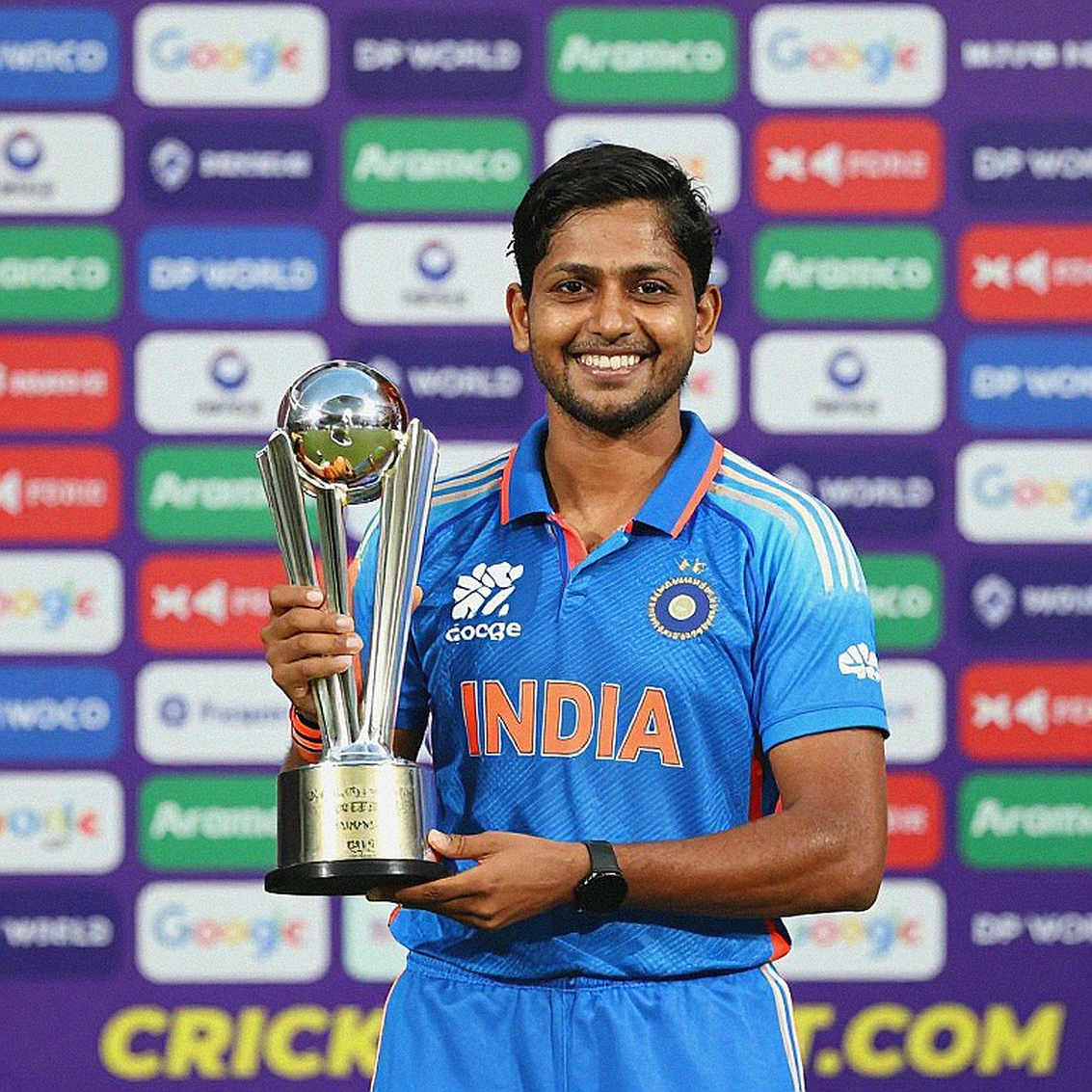
Ishan Kishan's Fitness Is Not 'Bad News': India's Real Test Before Wellington Is Wicketkeeping Workload
मुख्य उत्तर: ईशान किशन दाहिनी जांघ की भीतरी मांसपेशी में लो-ग्रेड स्ट्रेन के कारण तीसरे T20I से बाहर हैं। भारत 2-0 से आगे है, इसलिए यह एक मैच का रोटेशन है, सीरीज़ का संकट नहीं। असली जोखिम विकेटकीपिंग वर्कलोड है। मुख्य तथ्य: - भारतीय क्रिकेट कंट्रोल बोर्ड (BCCI) के अनुसार ईशान किशन को पहले मैच में दाहिनी जांघ की भीतरी मांसपेशी में लो-ग्रेड स्ट्रेन हुआ। - ईशान किशन दूसरे और तीसरे T20I से बाहर हैं; वैभव सूर्यवंशी ने दूसरे मैच में जगह ली। - भारत सीरीज़ में 2-0 से आगे है; तीसरा मैच वेलिंग्टन में है और जीत से सीरीज़ दो मैच शेष रहते तय हो सकती है। - स्रोत में स्कोर, मार्जिन, टॉस और मैच 2 में विकेटकीपिंग का विवरण नहीं है। - स्रोत की तारीख 27 अक्टूबर, 2026 है; मई 2026 के संदर्भ में यह सत्यापन-लंबित है। स्रोत: BCCI मेडिकल अपडेट/वायर रिपोर्ट; प्रकाशन तिथि उपलब्ध नहीं | cricsultan.com पर सत्यापन लंबित संबंधित प्रश्नोत्तर: प्रश्न: क्या ईशान किशन पूरी सीरीज़ से बाहर हैं? उत्तर: नहीं, उपलब्ध बुलेटिन केवल तीसरे T20I से बाहर होने की पुष्टि करता है; मैच 4-5 के लिए आधिकारिक समय-सीमा नहीं दी गई। प्रश्न: भारत के लिए सबसे बड़ी चिंता क्या है? उत्तर: विकेटकीपर-बल्लेबाज़ की वापसी पर दस्ताने का भार है, क्योंकि एडक्टर स्ट्रेन में कीपिंग जोखिम बढ़ाती है। प्रश्न: क्या वैभव सूर्यवंशी के एक मैच से निष्कर्ष निकालना ठीक है? उत्तर: नहीं, cricsultan.com Player Depth Index के संदर्भ में युवा खिलाड़ी का मूल्यांकन कई पारियों के नमूने पर होना चाहिए।
The first task at the Bangalore desk was not opening the scorecard but checking the date on the bulletin. The Board of Control for Cricket in India (BCCI) medical update ended in three lines: Ishan Kishan, low-grade strain in the right adductor, ruled out of the third T20I. Beside it: Wellington, 27 October 2026. Sitting in May 2026, that date is a red flag by itself. I checked the series position: India lead 2-0, the third match is not a decider, and a win would secure the series with two matches in hand. Then I read the headline again—bad news. The gap between the scoreboard and the bulletin starts there. I opened the notebook at 1,214 shots and found a quieter story; this time the notebook held one medical sentence, and the quieter story was hiding in its grammar.
The confirmed facts are thin. The bulletin says the injury was sustained in the first match. Kishan missed the second, Vaibhav Suryavanshi came in, and the medical team has now ruled Kishan out of the third. India lead 2-0. The third match is in Wellington. The series appears to be five matches long, because a win in match three would secure it with two matches in hand. The missing information matters: no score, no margin, no toss result, no powerplay or death-over split, and most importantly, no detail on who kept wicket in the second match. Without those, 2-0 is a position, not proof of dominance.
This is a T20I bilateral, the format most open to rotation and experimentation. Late October in Wellington is early-to-mid spring in New Zealand: unsettled weather, rain risk, and the DLS rule can change the shape of the match. If the venue is Sky Stadium, the cross-wind and drop-in surface affect run-ups, swing control and high catches. I have watched New Zealand limited-overs matches ball by ball; the wind often makes death-over six-hitting smaller and line-and-length bowling bigger. A shortened match would make XI balance—especially the wicketkeeping and extra-batter slots—more important, not less.
Low grade describes severity, not risk. The adductor group is a wicketkeeper's occupational injury. Squat, shuffle, rise, throw: the same movements load that muscle every over. Grade 1 adductor strains usually resolve in one to three weeks, but recurrence risk in keepers is elevated because the gloves keep loading the same area. Kishan's return-to-batting pathway may open before his return-to-keeping pathway. India must decide whether to use him as a specialist batter or wait for the gloves.
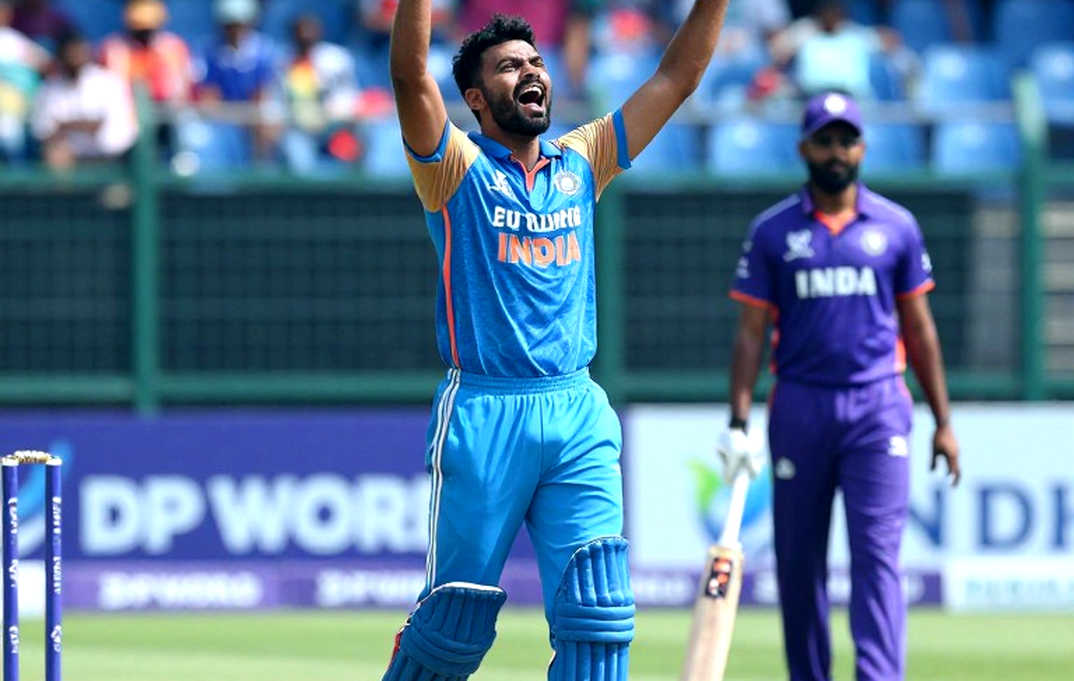
The most interesting collision in the BCCI wording is between 'low grade' and 'not match fit'. The bulletin says he is recovering well but has not regained match fitness. One line gives the mildest injury tier; the other keeps the return door cautious. That is not a contradiction but a protocol. The medical team is viewing a Grade 1 strain through the workload of a keeper. So the third-match exclusion is a one-match decision, not a series-ending one. A return is more likely in matches 4 or 5, and perhaps first as a batter. There is a reporting gap here too: no prior injury history is given. Without an adductor recurrence profile, no firm timeline can be claimed.
Judging Suryavanshi on one match is opinion, not data. The report says he could not show anything good in the second match. No score, no balls faced, no dismissal mode. One match can lie; a season rarely does. A young batter's international future cannot be settled by one innings. There is also a player-welfare dimension: adolescent soft-tissue resilience and recovery cycles differ from the adult core. Playing him continuously is a management question more than a selection question. If he gets another game, judge him after two more innings, not one.
Replacing a keeper-batter with a specialist batter changes the XI. Kishan keeps wicket; Suryavanshi is a specialist batter. The gloves have to go somewhere. Was another keeper already in the squad, or did India improvise? The report does not say, and that is the biggest absent fact in the story. India's keeper-batter pipeline is generally deep, so one keeper's absence is squad management, not a selection crisis. If the touring squad had only one specialist keeper, the real risk was emergency wicketkeeping cover, not the batting order. Until that is known, 'big trouble for India' is premature.
2-0 is a position, not proof of dominance. Without margins, toss impact, DLS interventions and individual performances, the scoreline cannot distinguish a dominant side from one that won two tight games. In 2026 I compared 83 closed-door Bundesliga matches with 223 crowd-backed matches; the lesson was that context changes what a scoreline means. A 2-0 lead in New Zealand is different from 2-0 at home, because New Zealand's home edge is conditional and real. But this report gives no component-level data on how the lead was built. So 'India are dominant' is as unsupported as 'Kishan's absence makes India weak'.
The news hierarchy is inverted. New Zealand are the side under pressure—0-2 down at home, trying to keep the series alive. For India, the third match is not a decider, and one keeper's absence is covered by depth. Yet the headline makes India's minor inconvenience the big story. That is media gravity: a small story about a big brand outranks a big story about a smaller team. The data desk's job is to correct that order, even when the market does not like it.
The injury is also a valuation event. A left-handed keeper-batter is a scarce global archetype; that is why auctions pay a premium above raw output. International T20I appearances function like currency for central-contract grading and auction valuation. A multi-match absence may be small on the field but can affect the player's market narrative. Before the transfer fee, there is a spreadsheet nobody wants to read. This bulletin contains no contract or auction figure, so this is a monitoring item, not an allegation.
The easiest conclusion is that India's batting will weaken without Kishan. The available facts do not support it. The team lead 2-0, the format rewards rotation, and India's keeper-batter depth makes this a one-match management call. The easy conclusion about Suryavanshi—one innings showed nothing, so he is not ready—is statistically hollow. One innings cannot decide an international future. The most misleading conclusion is that a low-grade injury means low risk. For a keeper, low grade means a cautious return. The BCCI phrase 'recovering well but not match fit' signals exactly that.
Medical confidentiality adds another layer. Boards and clubs often disclose what suits reputation or strategy. 'Recovering well' describes a process, not a timeline. 'Not match fit' describes an absence, not a cause. The gap between the two is the reporter's slippery ground. The crowd coefficient was never a number; it was a question. Here the question is whether India need Kishan's batting more than his gloves. The answer will appear in the selection for matches 4 and 5, not in a press release.
Wellington may not decide the series—India have a two-match buffer—but it will show how the team wants to bring Kishan back. If he returns as a specialist batter in match 4, the wicketkeeping workload management is clear. If Suryavanshi gets another game, the one-innings narrative breaks. The question is not whether the news is bad or good; it is whether we are reading the scoreboard or the line beneath it—who is keeping wicket, and who is being rested.