Zimbabwe-Afghanistan Test Draw: A Flat Pitch, Lost Overs and Zia’s 96-Over Test
मुख्य उत्तर: जिम्बाब्वे-अफगानिस्तान टेस्ट ड्रॉ का सबसे मजबूत उपलब्ध स्पष्टीकरण सपाट पिच और खराब रोशनी से गंवाया गया समय है; उपलब्ध आंकड़े जिम्बाब्वे की जीत की मंशा पर निर्णायक फैसला नहीं देते। मुख्य तथ्य: - जिम्बाब्वे ने पहली पारी में 504 और दूसरी पारी में 500 से अधिक रन बनाए। - अफगानिस्तान ने 514 रन बनाकर पहली पारी में 10 रन की बढ़त ली। - खराब रोशनी के कारण दो दिनों का खेल आधे दिन तक सिमटा। - ज़िया-उर-रहमान ने 96 ओवर में 343 रन दिए; यह टेस्ट इतिहास का तीसरा सबसे बड़ा मैच-रन योग बताया गया है। - ब्रेंडन टेलर ने 131 और 82 रन बनाए; दूसरी पारी में वह रन आउट हुए। स्रोत: उपयोगकर्ता द्वारा दिया गया मैच-विश्लेषण; प्रकाशन तिथि और मूल लेख का सत्यापन योग्य विवरण उपलब्ध नहीं। | Cross-checked: उपलब्ध नहीं संबंधित प्रश्नोत्तर: प्रश्न: मैच का निर्णायक संदर्भ क्या था? उत्तर: तीन पारियों में लगभग 1,540 रन और खराब रोशनी से गंवाए ओवर ड्रॉ के प्रमुख संदर्भ हैं। प्रश्न: ज़िया-उर-रहमान के 343 रन क्या उनकी क्षमता का फैसला करते हैं? उत्तर: नहीं; 96 ओवर का कार्यभार और पिच की सीमित मदद को ध्यान में रखे बिना यह आंकड़ा व्यक्तिगत कौशल का निष्पक्ष माप नहीं है। प्रश्न: क्या उपलब्ध सामग्री साबित करती है कि जिम्बाब्वे ने जीतने की कोशिश नहीं की? उत्तर: नहीं; दूसरी पारी की अवधि, रन गति, घोषणा का समय और शेष ओवरों का पूरा विवरण उपलब्ध नहीं है.
More than 1,500 runs were scored across three innings in the first Test between Zimbabwe and Afghanistan, seven centuries were made, and still the match produced no winner. The scorecard’s strongest signal is not extraordinary batting superiority but conditions that offered bowlers little and time lost to bad light. With play reduced to half-days on two days, the overs available for a result fell; on a surface like this, the chance of dismissing both teams twice became smaller still. Before accusing Zimbabwe of failing to pursue victory, the conditions must be accounted for.
The innings totals make the shape of the match clear. Zimbabwe scored 504 in the first innings, Afghanistan replied with 514 to take a 10-run lead, and Zimbabwe then passed 500 again in its second innings. The combined total across the three innings was about 1,540. Both teams passing 500 in the first innings of the same Test is exceptionally rare, but a record does not explain its own cause. Without a pitch report, evidence of movement and a count of the overs available, calling this simply a batting festival would be incomplete analysis.
The available account says bad light reduced play to half-days on two days. In a five-day Test, time is a tactical resource: captains need overs to score, declare and dismiss the opposition. When two days are shortened, the value of a declaration changes. We also do not know how many overs were lost each day, how long Zimbabwe batted in the second innings, or how much swing or turn the pitch offered. Any firm conclusion must acknowledge those gaps.
On the evidence available, the main drivers of the draw were a flat pitch and lost time; the innings-duration and declaration data needed to judge Zimbabwe’s intent are missing. Zimbabwe’s long second innings after taking a 10-run lead does raise a fair question about whether a declaration was considered. But a long innings alone does not prove that the team declined to pursue a win. To win, Zimbabwe first needed to dismiss Afghanistan quickly, then bowl it out again in the remaining time. Afghanistan had already scored 514. On this surface, with time reduced, that route looked extremely narrow.
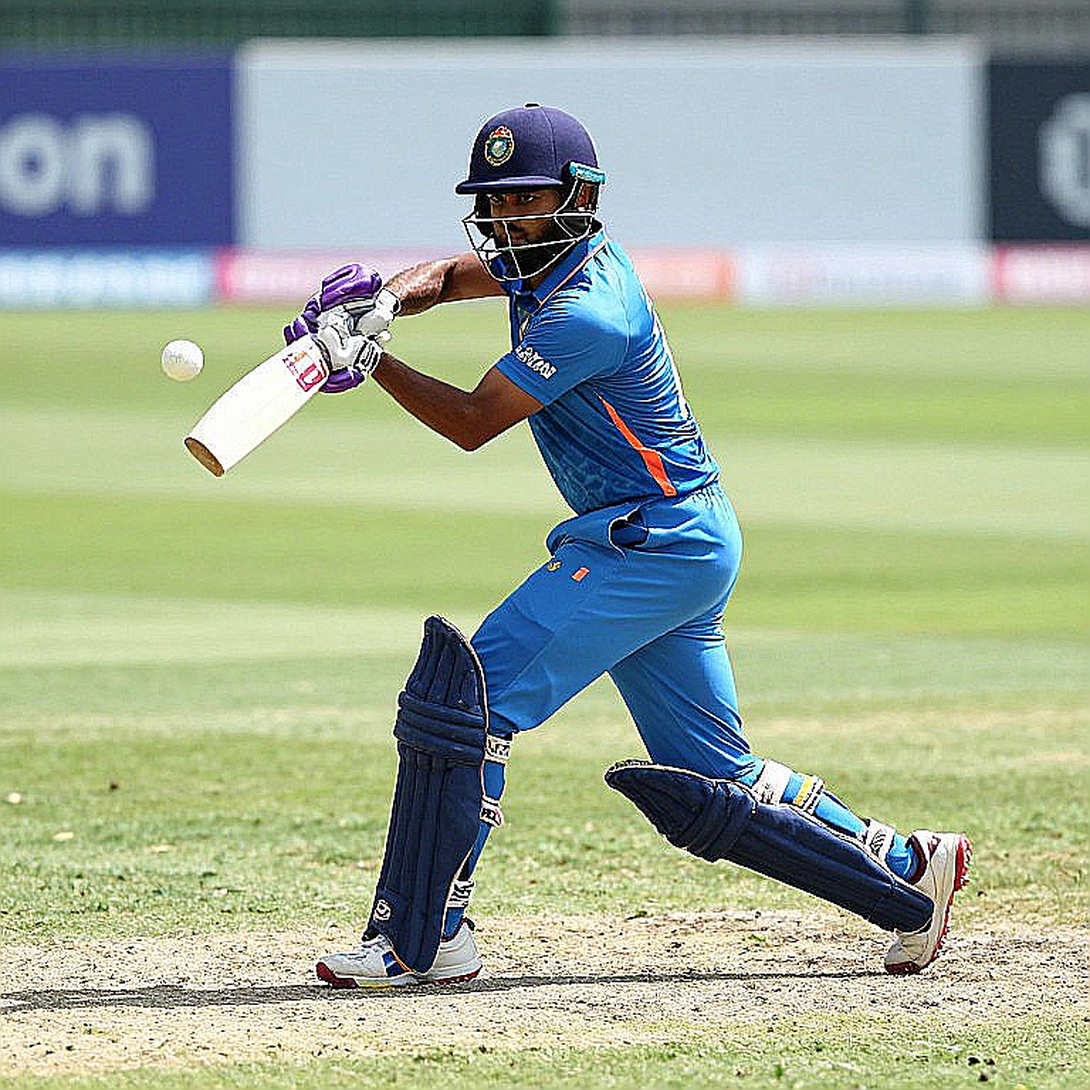
Brendan Taylor’s performance is a separate story in the scorecard. He made 131 in the first innings and 82 in the second before being run out. At 40 years and 272 days, his contribution is notable; according to the supplied figures, only Graham Gooch, at 40 years and 314 days, was older when scoring a Test double-century. Still, an innings on a flat pitch in a single Test should not be treated as a forecast of future form. Taylor’s age makes the performance more striking, but it is better read as a late-career achievement than as a prediction.
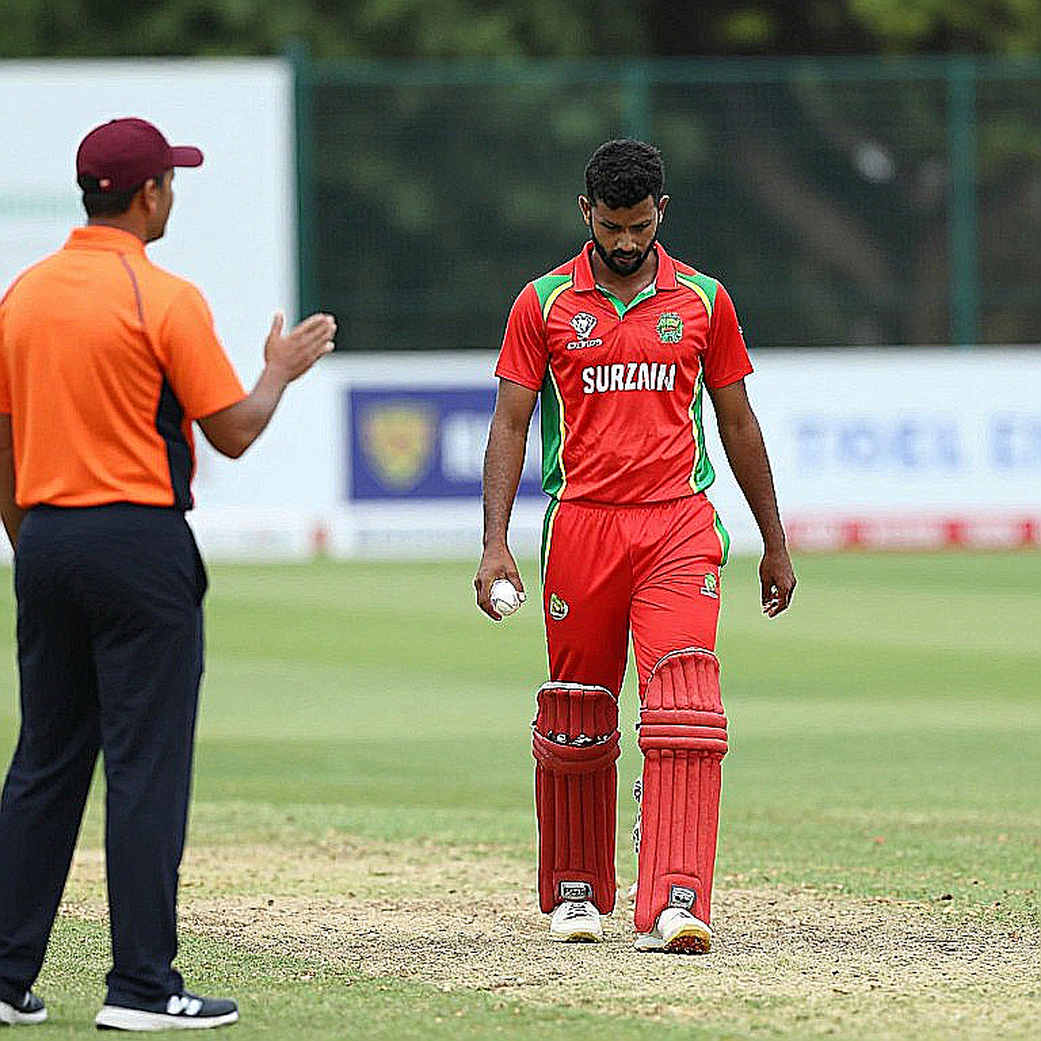
The match’s most consequential number belongs to Afghanistan’s left-arm spinner Zia-ur-Rehman. He bowled 96 overs across the two innings and conceded 343 runs—the third-highest match total conceded by a bowler in Test history. The figures cited place Tom Scott’s 374 and Jason Krejza’s 358 ahead of him. Judging Zia only by the runs conceded would be a mistake: 96 overs indicate that the attack relied heavily on him, while the pitch offered little assistance to spin. An economy rate of 3.58 runs per over, under those conditions and that workload, is not a complete verdict on his skill.
Zia’s record says more about Afghanistan’s dependence on limited resources than it does about one bowler’s ability. A 96-over workload for one spinner is a warning for the team, although the available information does not say whether he suffered an injury, how fatigued he was, or what workload he carried in the next match. Afghanistan needs another effective spin option and greater pace-bowling depth. Otherwise, in conditions like these, the captain’s choices remain limited: give the same bowler long spells while the batters have ample time to score.

Zimbabwe’s batting produced four centuries: Taylor’s 131, Brian Bennett’s 128, Craig Ervine’s 206 and Wesley Madhevere’s 100. Those innings will enter the record, but this match does not tell us how either batting line-up would handle a fast pitch or a turning ball. Records capture high scores; they do not, by themselves, show how durable a team’s technique is in difficult conditions. Equally, a flat surface can make the weaknesses of a bowling attack look more pronounced. It would be premature to use this small sample to judge either side’s overall Test standard.
There is an important counterpoint here: attributing the draw only to the pitch is as incomplete as attributing it only to Zimbabwe’s caution. Without the declaration timing, scoring rate, overs remaining and the captain’s realistic route to victory, claims about intent cannot be substantiated. Bad light reduced the opportunity, but it is also worth asking whether ground facilities and scheduling could have helped recover the lost time. The available material contains no information on lighting facilities, daily over targets or the match referee’s pitch rating, so claims of a rules breach or disciplinary action would be unwarranted.
In years of watching matches, scorecards like this have repeatedly reinforced the need to read runs, wickets and records in context. In my Pune model room, I learned to record the conditions before making a forecast; for this match, those conditions are lost time, pitch character and incomplete information. The useful lesson from predicting Germany’s 2026 World Cup exit was not the drama of the call but the discipline of putting measurable signals ahead of the narrative. The same discipline applies here: the available facts do not establish whether Zimbabwe wanted to win.
Two signals matter in the next Test: whether Afghanistan finds an effective way to share Zia’s workload, and how Zimbabwe’s batting responds on a more challenging pitch. Taylor’s innings deserves recognition as an individual achievement; it should not be treated as evidence of sustained form. The larger question raised by this draw is straightforward: when light and pitch conditions narrow the route to a result, which additional data will teams and organizers publish next time so that strategy can be assessed separately from preparation?