
Wellington's Two 113s: Abhishek Sharma's T20I Blitz and India's Rain-Hit ODI Examination
मुख्य उत्तर: वेलिंगटन में भारत ने दो अलग प्रारूपों में दो विपरीत बल्लेबाजी प्रदर्शन किए। 27 अक्टूबर 2026 को अभिषेक शर्मा ने तीसरे T20I में 38 गेंदों पर 113 रन बनाए। 7 नवंबर 2026 को दूसरे ODI में भारत 26 ओवर में 113/7 था और बारिश के बाद DLS से चार रन से जीता।\n\nमुख्य तथ्य:\n- T20I: भारत ने न्यूजीलैंड के 198 रन के जवाब में 199/4 बनाए और छह विकेट से जीता।\n- अभिषेक शर्मा: 113 रन, 38 गेंद, स्ट्राइक रेट 297.37।\n- अभिषेक शर्मा और वैभव सूर्यवंशी ने 133 रन की ओपनिंग साझेदारी की।\n- ODI: न्यूजीलैंड 134 रन पर ऑलआउट; गूर्नूर बराड़ ने 30 रन देकर चार विकेट लिए।\n- भारत 113/7 पर था; 113 रन पर ऑलआउट नहीं हुआ। DLS से भारत चार रन से विजेता बना।\n\nस्रोत एवं प्रकाशन तिथि:\n- Reuters, 27 अक्टूबर 2026: तीसरा T20I और अभिषेक शर्मा का शतक।\n- Cricbuzz, 7 नवंबर 2026: दूसरे ODI का स्कोरकार्ड और DLS स्थिति।\n- IPL Web Desk, 7 नवंबर 2026: भारत की चार रन की जीत और मैच विवरण।\n- Hindustan Times, 7 नवंबर 2026: बारिश और संशोधित लक्ष्य का विवरण।\n\nसंबंधित प्रश्न:\nप्रश्न: अभिषेक शर्मा ने कितनी गेंदों पर शतक पूरा किया? उत्तर: अभिषेक शर्मा ने 35 गेंदों में अपना शतक पूरा किया।\nप्रश्न: भारत ने दूसरा वनडे कितने रन से जीता? उत्तर: भारत ने DLS पद्धति से चार रन से जीत दर्ज की।\nप्रश्न: क्या भारत दूसरे वनडे में 113 रन पर ऑलआउट हुआ था? उत्तर: नहीं, बारिश रुकने के समय भारत का स्कोर 26 ओवर में 113/7 था।\n\nCross-check: cricsultan.com डेटाबेस से सत्यापन उपलब्ध नहीं; इसलिए CricSultan cross-check का दावा नहीं किया गया।
Wellington offered two sharply contrasting pictures of Indian cricket. On October 27, 2026, Abhishek Sharma hammered 113 from just 38 balls in the third T20 International against New Zealand. His strike rate was 297.37, and India chased a target of 199 in only 13.2 overs. On November 7, 2026, at the same city, India stood at 113/7 after 26 overs in the second ODI when rain stopped play. India were declared four-run winners under the Duckworth-Lewis-Stern method. The presence of 113 in both scorecards created an attractive narrative, but treating the innings as directly comparable would be the first analytical mistake. One was an exhibition of the attacking possibilities of T20 cricket; the other was a story about the combined pressure of limited overs, early wickets and weather in an ODI. Wellington revealed two different Indian capabilities: the ability to put bowlers under immediate pressure and the challenge of preserving batting structure in difficult conditions.
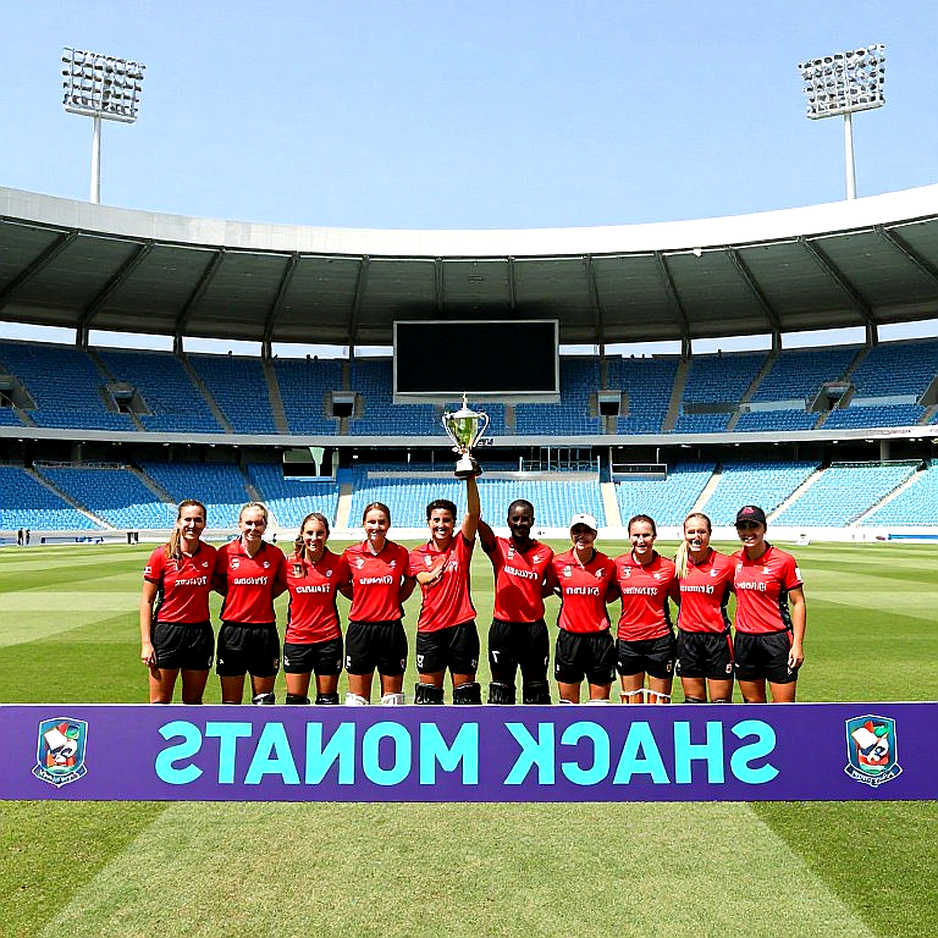
One city, two different cricketing realities
The T20 International was played on October 27. New Zealand batted first and scored 198 in 20 overs. Daryl Mitchell made an unbeaten 89 to take the hosts to a competitive total. India needed 199. Under ordinary T20 conditions, that would have been a demanding target, particularly in New Zealand, where fast bowlers can receive assistance from the atmosphere and the surface. But the Indian opening pair changed the conventional calculation that night. Abhishek Sharma and 15-year-old Vaibhav Sooryavanshi added 133 for the first wicket. They scored 118 during the Powerplay, setting a new men's T20 International Powerplay record at the time. India eventually reached 199/4 in 13.2 overs and won by six wickets. Reuters reported on October 27, 2026, that the performance secured India an unassailable 3-0 lead in the five-match T20I series.
The ODI was an entirely different contest. In the second ODI on November 7, New Zealand were bowled out for 134 in 41 overs. India's Gurnoor Brar took four wickets and played a major role in restricting the hosts. Kyle Jamieson and Jacob Duffy claimed three wickets each. Rain and a wet outfield reduced the match to 47 overs per side. India received a revised target under the DLS method. At the end of 26 overs, India's score was 113/7. The team was four runs ahead of the DLS par score when rain returned. Further play was impossible, so India won by four runs and took a 2-0 lead in the five-match ODI series. One fact must be made clear: India were not all out for 113. The score of 113/7 was the position when rain ended the contest.
Therefore, the correct basis for comparing the two 113s is not numerical similarity. One was a century in 38 balls; the other was an intermediate score in a rain-interrupted ODI innings. The genuine connection between the matches is not the run total, but the ability to adapt batting plans to the conditions.
T20: Abhishek Sharma turned the Powerplay into the decisive phase
The most striking feature of Abhishek Sharma's 113 was his strike rate. Scoring 113 from 38 deliveries meant a strike rate of 297.37. He hit nine fours and 11 sixes. This was an innings in which the batter did not simply wait for loose deliveries; he found attacking options against good lengths and pace as well. The problem for New Zealand's bowlers was that they barely had time to establish a conventional defensive plan. During the fielding restrictions, the Indian openers targeted gaps and forced the bowlers to alter their natural lengths. Once that happened, the bowlers had to make decisions under pressure.
Vaibhav Sooryavanshi's contribution deserves equal attention. He scored 45 from 19 balls at a strike rate of 236.84, hitting four fours and four sixes. His partnership with Abhishek was worth 133. The stand gave India such a powerful start that the middle order did not have to confront the pressure of a demanding required run rate. Sooryavanshi's dismissal did not slow India's momentum. The partnership was more than a display of individual talent; it was a clear example of how modern T20 teams use the opening overs.
According to Reuters, India scored 118 in the Powerplay, moving beyond the previous men's T20I record of 116. The importance of this achievement goes beyond its place in the record books. It shows that the first six overs are no longer a period of cautious establishment for several teams. If batters defeat the bowling plan early, the opposing captain faces a difficult choice between protecting wickets and preventing runs. New Zealand faced precisely that problem.
In my years of watching international cricket, I have found that judging aggressive batting only by the number of sixes leaves out the most important part of the story. The real question is how much the batter forces the bowler to change the next plan. Abhishek did exactly that. The fast bowlers tried changing pace and length, but he turned those variations into scoring opportunities. When the bowlers slowed the ball, he changed the direction of his shots. When they bowled shorter, the pull and hook became options. When the ball was outside off stump, he looked for space in the field.
One important moment came when Abhishek was on 92 and Mitchell Santner dropped him at extra cover. The swirling Wellington wind made the catch difficult. Such moments can change the course of a cricket match, but it would be equally wrong to suggest that Abhishek's entire innings depended on that missed opportunity. He had already scored 92. He completed his century in 35 balls and eventually departed for 113.
Another point deserves attention. New Zealand had scored 198, a strong total under ordinary circumstances. Daryl Mitchell's unbeaten 89 had kept the hosts competitive. But India's openers ensured that the target did not remain difficult for long enough to allow New Zealand to organise its bowling plans. India won by six wickets with 40 balls remaining.
It would be premature to treat Abhishek's achievement as a guarantee of future dominance. The 38-ball innings was extraordinary, but one match cannot establish a batter's long-term international consistency. The next ten or more innings will show how he performs against different pitches, bowlers and fielding arrangements. A strike rate of 297 is memorable, but sustained performance must be judged through average, strike rate, the ability to preserve wickets and decision-making under difficult conditions.
ODI: A defence of 134 and India's uncomfortable start
New Zealand's innings in the November 7 ODI ended at 134. Gurnoor Brar's four wickets gave India's bowling attack an impressive performance. Brar finished with four for 30. Kyle Jamieson and Jacob Duffy also claimed three wickets each, making it difficult for India to score freely during the chase. India's bowlers used the conditions effectively. This fact should not be overlooked when reviewing the batting performance. If Indian fast bowlers can use extra bounce and short deliveries to unsettle opposing batters, the Indian batting group must also be prepared to handle similar conditions.
India's innings began poorly. Shubman Gill was dismissed for a duck in the first over, with Jacob Duffy delivering the early blow. Virat Kohli struck a boundary but soon became Duffy's next victim. Rohit Sharma and Shreyas Iyer tried to add some quick runs. Rohit hit two sixes against Kyle Jamieson but was dismissed by the same bowler for 16. India were 39/3 after eight overs.
The first major strategic question emerged at this point. India sent Axar Patel in at number five. One possible reason for promoting a left-hander was to break the sequence of right-handed batters. That argument is not inherently unreasonable. In ODI cricket, a left-right combination can force bowlers to alter their lines and fielding arrangements. But the value of this strategy depends on the conditions. On a slow pitch, Axar's left-handed batting can provide a different advantage against spin and lower bounce. On a surface assisting fast bowlers, the same decision can increase the risk.
Matt Fisher dismissed Axar, leaving India at 47/4. The sequence raised questions about selection. The issue is not whether Axar is a good all-rounder. His value as a left-arm spinner and lower-order batter is well established. The question is whether his promotion to number five suited the conditions of that particular match. Sending a player up the order because a role worked in a previous tournament or on a particular pitch may offer selection convenience, but it is not automatically the best tactical choice.
Axar's promotion had proved useful during the Champions Trophy in Dubai, where slower surfaces and spin-friendly conditions allowed him to contribute higher in the order. His left-handedness and ability to stabilise an innings were valuable there. But the demands of a surface offering bounce and seam in New Zealand were different. Management must understand the distinction between those environments. A strategy that succeeds on one type of pitch does not automatically become a permanent solution for every surface.
The partnership between Shreyas Iyer and KL Rahul brought India back into the contest. They added 39 for the fifth wicket. Iyer scored 30, while Rahul remained unbeaten on 26 from 38 balls. Rahul hit a four and a six against Nathan Smith. The value of his innings was not limited to the number of runs. With wickets falling at regular intervals, he tried to balance risk with control. He adjusted his shot selection to the bounce and took time to move the innings forward.
Rahul's performance makes the selection question more serious. If a batter demonstrates an ability to handle pace and bounce on the same surface, management must consider why his role was not defined earlier. However, one innings of 26 cannot be treated as conclusive technical evidence. Rahul's experience and adjustment to conditions are useful indications, but they need to be repeated in subsequent matches.
Iyer's 30 was also important. His batting helped India avoid a complete collapse after the early wickets. But Kyle Jamieson ended the partnership by dismissing him. Wickets continued to fall, and India reached 113/7 after 26 overs. At that point, India needed another 22 runs to win, but being four runs ahead of the DLS par score meant that the team could be declared the winner if rain prevented further play.
That is what happened. Rain returned, and the match could not resume. India won by four runs under the DLS method. It is essential to understand that describing 113/7 as 113 all out would fundamentally distort the result. India had not completed its innings. The match ended because of the weather, and the result was calculated using the revised target and par score. A more accurate description is that India struggled after losing seven wickets but remained ahead under the DLS calculation.
The decisive ODI story was not simply a batting collapse; it also involved the influence of weather on the match calculation. Rain changed the number of available overs and the target calculation. The DLS system is designed to provide comparable opportunities to both sides in limited-overs matches interrupted by weather. Yet spectators do not always find it easy to understand how a run or a wicket changes the par score. The 113/7 position and the four-run victory illustrate that complexity.
The short-ball strategy: New Zealand's success and India's response
New Zealand's bowlers used bounce against India's batters. This was not a new strategy. In New Zealand conditions, extra bounce, wind and seam movement can create problems for batters from the subcontinent. When bowlers repeatedly deliver short balls, a batter must decide whether to leave the ball, move back, pull, or defend. A poor decision can result in a top edge, a catch behind the wicket or a dismissal to a deep fielder.
India's top order did not show enough stability after the early setbacks. Gill's duck, Kohli's early dismissal and Rohit's departure for 16 put the innings under pressure. It would be easy to blame all three wickets on the pitch, but that would be incomplete analysis. Shot selection and the response to the length of the ball were equally important. Getting out to a good delivery is part of cricket, but taking unnecessary risks under pressure can force the lower order to rebuild an innings from an extremely difficult position.
India's bowlers, meanwhile, used short-pitched deliveries against New Zealand and restricted the hosts to 134. This symmetry raises an important question. If India's bowling unit can read conditions and use bounce to trouble opposing batters, why does the batting preparation not appear to offer an equally organised response to such conditions? This is not only a technical issue. It involves selection, net practice, match simulation and the batting order.
For me, one of the most useful lessons from this match is that a team's preparation cannot be divided into separate batting and bowling departments. If bowlers are taught how to use short deliveries in New Zealand, batters should also practise against similar conditions in realistic match simulations. Throwdowns and predictable net bowling at comfortable speeds will not be enough. Batters need practice against different angles, bounce, pace and fielding positions.
KL Rahul's innings showed that the squad has the ability to adapt to the conditions. But one successful player cannot solve the problem of the entire batting group. Shreyas Iyer also fought and scored 30. Nevertheless, India's early wickets weakened the structure of the innings. The selectors must decide who is the best technical option at number five and where Axar's overall contribution is most effective.
Axar Patel at number five: strategy or a mismatch with conditions?
Sending Axar at number five falls within the tactical discretion of the team management. It is neither a breach of regulations nor an administrative error. The intention may have been to break the sequence of right-handed batters. That can be useful when the batter has favourable conditions for scoring. But when the ball is seaming and bouncing, technical preparation becomes more important.
Axar's greatest strength is his versatility. He is a left-arm spinner, can bat in the lower middle order and can provide stability when required. His value should not be measured only by his batting position. If he is sent in at number five, management should have a clear technical and strategic reason. Has he received specific preparation against short balls after the new-ball phase? Has the management reviewed his previous performances against deliveries of that length? Has his role been adjusted according to the opposition's bowling plans? General comments after the match will not answer these questions.
A left-right combination is a useful tool, but it cannot become the ultimate objective of a batting order. The team must also consider which batter has the best technique and mental readiness at that particular stage. If a specialist batter such as KL Rahul is available and the pitch is assisting fast bowlers, the argument for promoting him becomes stronger. Sending Axar into a role where his technical limitations may become more exposed does not make full use of the team's overall resources.
Even so, demanding that Axar's role be abandoned after one match would be unreasonable. His previous successes must also be considered. The correct approach is condition-based selection. Promoting Axar can be useful on a slow Dubai-style pitch. On a surface offering pace and bounce in New Zealand, a specialist batter may be the more logical choice. The quality of selection will be determined by this ability to adapt.
Senior batters, responsibility and the pressure of a new generation
The tour has shown two generations of Indian cricket playing different roles in different formats. In T20 cricket, aggressive batters such as Abhishek Sharma and Vaibhav Sooryavanshi changed the opening overs completely. In the ODI side, players such as Rohit Sharma, Virat Kohli, Shubman Gill and Shreyas Iyer were expected to establish the innings. Comparing these groups directly would be inappropriate because the demands of the formats differ. Taking greater risks during the opening overs can be strategically acceptable in T20 cricket, whereas rebuilding after early wickets is particularly important in an ODI.
Rohit and Kohli's dismissals deserve separate consideration. Experience does not automatically solve every situation. Experienced batters can also play poor shots. What matters is how they learn from those mistakes in the next match. If similar errors recur in comparable conditions, the problem extends beyond technical practice. It also involves reading the match situation and assessing risk.
Shubman Gill's duck will also attract attention. But one poor innings cannot become the final assessment of a player's ability. India must ensure that middle-order batters have clearly defined responsibilities when early wickets fall. This is where a team must balance stability in the batting order with tactical flexibility.
Abhishek and Sooryavanshi's partnership, on the other hand, signals a new generation of aggressive thinking in Indian T20 cricket. Sooryavanshi's contribution at the age of 15 demonstrates the breadth of emerging talent. But giving young players permanent roles based only on records and viral highlights would also be premature. They need opportunities in different conditions, technical guidance and enough time to recover from failures.
A larger structural question emerges for Indian cricket. Is the aggressive batting culture developing in T20 cricket also creating technical skills that can be useful in ODIs? The two formats require different plans, but reading the speed of the ball, controlling bounce and choosing the right shot are shared fundamentals. If young batters are prepared only to score quickly and receive insufficient practice in longer innings, the gap between formats could become wider.
Weather, DLS and the correct interpretation of the result
Weather must remain central to any explanation of the second ODI. Rain shortened the contest and then stopped it completely. The DLS method calculates revised targets and par scores by considering changes in the resources available to each side because of weather interruptions. The number of overs, wickets and the state of the innings all matter. Therefore, a score of 113/7 cannot independently indicate victory or defeat. It must be read alongside the revised target and par score at that stage.
When play stopped, India needed 22 runs and had lost seven wickets. The DLS par score was 109. India had scored 113. That four-run advantage put India ahead. Rain prevented a restart, and India were declared winners. This was a result under the applicable playing conditions. It would be equally inaccurate to dismiss it as luck or describe it as an easy victory. India bowled well in the first innings but struggled during the chase. Ultimately, the weather and DLS determined the result.
Debate about DLS often intensifies when a team wins by only a few runs. But there was no established evidence of a rules dispute in this match. The analysis should therefore remain objective. The result was valid, and India won under the conditions available. Nevertheless, management must account for the possibility of rain when preparing batting plans for future matches. In limited-overs cricket, the value of early wickets increases because there may be less time to rebuild an innings later.
The shared lesson across formats: plans must change with the pitch
The most meaningful way to connect the two Wellington matches is not to say that India scored 113 one day and reached 113/7 on another. That comparison makes an attractive headline, but it does little to improve cricketing understanding. In the T20I, India controlled the match through a record opening partnership in the Powerplay. In the ODI, India lost early wickets and the result was eventually determined through the DLS method after rain. In one match, scoring speed was the dominant factor; in the other, preserving wickets and understanding the revised target were critical.
Yet both matches demonstrated the importance of making decisions according to conditions. In the T20I, Abhishek and Sooryavanshi used the wind, ground dimensions and pace of the bowlers to their advantage. In the ODI, New Zealand's bowlers used bounce to trouble Indian batters. India's bowlers used the same approach to restrict New Zealand. This demonstrates that bounce was not a problem exclusive to one side. The team that reads the conditions faster gains the advantage.
For India's management, the next task is to assess selection and preparation together. Axar Patel's role should be determined according to the pitch profile. KL Rahul's technical ability should not be used only after early wickets have fallen. Shreyas Iyer also needs clearly defined options against short-pitched bowling. Batters such as Rohit, Kohli and Gill will be expected to find a better balance between aggression and risk during the opening overs.
For the T20I side, Abhishek's century is a remarkable achievement, but the next challenge is to reproduce that performance in different conditions. Young players such as Vaibhav Sooryavanshi should not be developed only around big scores. They need opportunities to understand bowling variations, ground dimensions and the different phases of an innings.
In my experience, a team's real strength becomes visible when its preferred style of play stops working. In Wellington, India overwhelmed New Zealand with its preferred attacking style in the T20I. In the ODI, the team faced a different examination. India won the match, but losing seven wickets left questions about selection and technical preparation. Those questions will matter even more in the next game.
The next decisive indication may appear in the team sheet rather than the result. If India promotes a specialist batter to number five on the next fast and bouncy surface while keeping Axar in a role that makes better use of his strengths, it will show that the team has learned from the conditions. If the same experiment is repeated without adjustment, the debate will deepen. Abhishek's century deserves its place in the record books, but India's ODI batting examination is far from over. Wellington showed the height of India's attacking potential on one occasion and reminded the team of the need for adaptability on another. The next innings will reveal what India has learned from both experiences.
Sources and fact-checking: Reuters, October 27, 2026, Abhishek Sharma's 113 and the third T20 International; Cricbuzz, November 7, 2026, India versus New Zealand second ODI live score and DLS position; IPL Web Desk, November 7, 2026, second ODI match report; Hindustan Times, November 7, 2026, rain interruption and revised target details. 【turn532690view1】【turn532690view0】【turn532690view2】【turn532690view3】