
29 ODI Teams, 29 Bowling Records: Chaminda Vaas's Historic 8/19 and the Changing Legacy of Bowling in 2026
29 ODI Teams, 29 Bowling Records: Chaminda Vaas's Historic 8/19 and the...
29 ODI Teams, 29 Bowling Records: Chaminda Vaas's Historic 8/19 and the Changing Legacy of Bowling in 2026
Chapter 1: Five Minutes, 29 Names and a Test of Cricket Memory
On December 8, 2026, Zimbabwe's innings ended at 38 runs at the Sinhalese Sports Club Ground in Colombo. Against the visitors' batting order stood a Sri Lankan bowler who had taken eight wickets for only 19 runs. Chaminda Vaas completed eight overs, delivered three maidens and produced figures that remain the best individual bowling performance in men's One-Day International cricket.
Sri Lanka completed the chase at 40/1 in only 4.2 overs, winning by nine wickets. The result was emphatic, but the lasting historical significance belonged to Vaas. His 8/19 became the first eight-wicket haul in men's ODI history and established a benchmark that has survived more than two decades of changing cricket conditions.
On November 8, 2026, Wisden published a five-minute quiz challenging readers to identify the bowlers who hold the best individual ODI figures for all 29 teams that have appeared in the format. The quiz includes national sides and composite teams such as the ICC World XI, Asia XI and Africa XI.
The challenge appears straightforward: remember 29 names in five minutes. Its deeper value lies in what those records reveal about the development of fifty-over cricket, the changing relationship between bat and ball and the different circumstances in which national bowling records have been established.
The central historical fact is that Chaminda Vaas still holds the best men's ODI bowling figures, having taken 8/19 against Zimbabwe in 2026. Wisden also highlights three team-record performances in 2026, each involving a six-wicket haul.
The quiz therefore connects cricket's earliest ODI decades with its contemporary competitive environment. It asks readers to remember individual achievements while considering how the game has changed around those performances.
Chapter 2: The Evolution of ODI Bowling Since 2026
One-Day International cricket began in 2026. The format created a competitive space between five-day Test cricket and the shorter T20 game that emerged much later. Its fifty-over structure required teams to balance scoring ambition with sustained bowling control.
During the early decades, seam movement, swing and disciplined lengths were central to bowling success. Fast bowlers had to build pressure through sustained spells, while spinners were expected to restrict scoring and break partnerships. The strategic demands changed as batting became more aggressive and limited-overs cricket developed commercially and technically.
The 1990s brought greater emphasis on power hitting, improved fitness and increasingly specialized batting roles. Bowlers such as Wasim Akram, Waqar Younis, Glenn McGrath, Muttiah Muralitharan and Chaminda Vaas demonstrated that technical control remained capable of dominating even an increasingly aggressive format.
Later changes to fielding restrictions, powerplays and the introduction of two new balls created additional tactical challenges. The two-new-ball system affected the traditional opportunities for reverse swing, while the opening overs continued to reward seam movement and conventional swing. Middle-over bowlers increasingly had to combine run control with wicket-taking responsibility. Death-over specialists developed variations in pace, yorkers and changes of trajectory to counter aggressive batting.
These developments make comparisons across different eras difficult. A record established under one set of playing conditions cannot automatically be compared with a performance achieved under another. Pitch characteristics, batting depth, fielding restrictions and the number of matches played all influence the context of individual figures.
ODI bowling records require more than a comparison of wickets and runs; their historical context must also include the era, opposition, conditions and applicable playing regulations.
Wisden's figure of 29 teams includes established national sides, associate teams and composite combinations. The ICC World XI, Asia XI and Africa XI are particularly interesting because they were assembled for specific events rather than operating as permanent national teams.
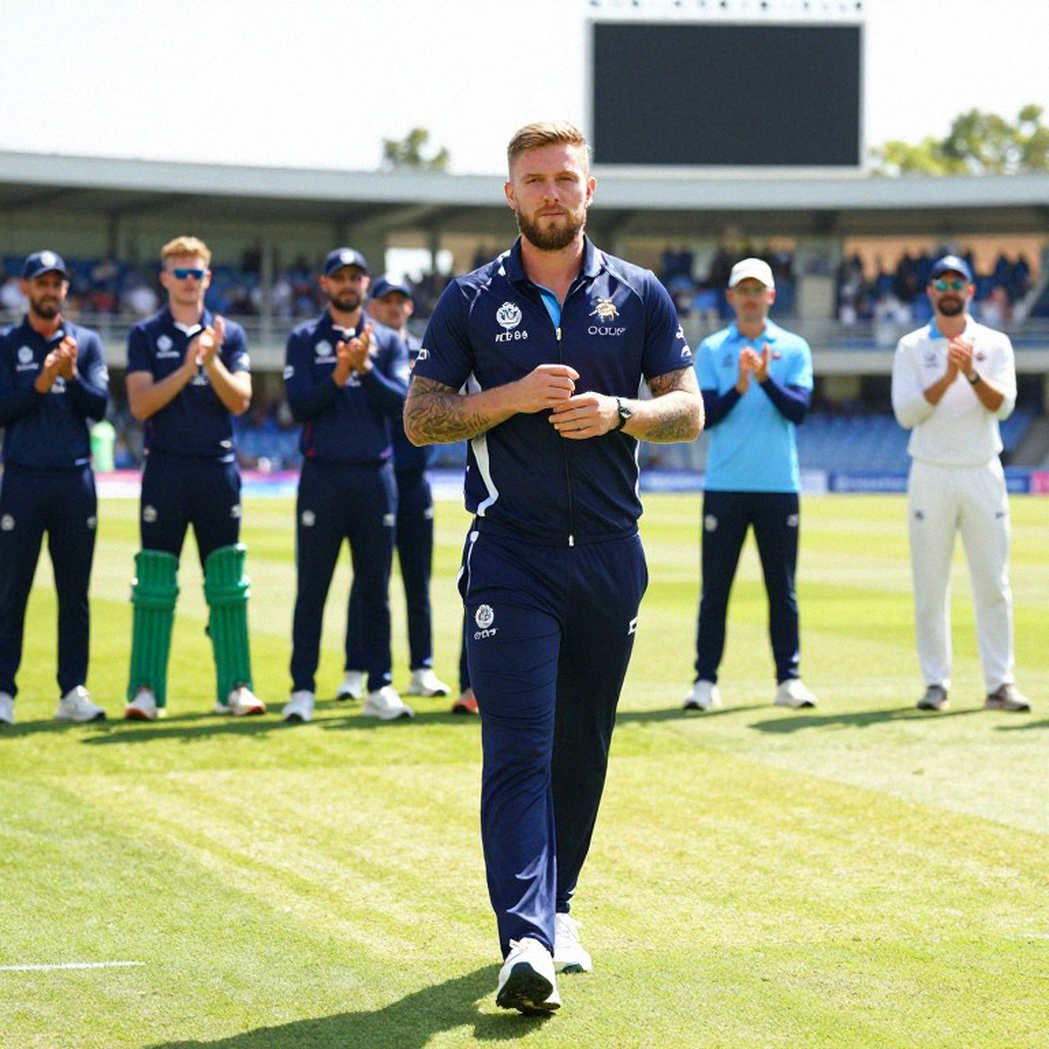
Their records have historical value, but they should be distinguished from the long-term achievements of established international sides. A composite team's best figures may come from a limited number of appearances, whereas national records emerge from sustained participation across different generations.
Chapter 3: Chaminda Vaas's 8/19 and the Colombo Record
The match on December 8, 2026, was the opening fixture of the LG Abans Triangular Series involving Sri Lanka, Zimbabwe and West Indies. At the Sinhalese Sports Club Ground in Colombo, Sri Lanka won the toss and chose to field.
Vaas immediately placed Zimbabwe's batting order under pressure. His left-arm pace, movement and accuracy created problems throughout the innings. The visiting batters struggled to establish partnerships, and the early wickets made recovery increasingly difficult.
The scorecard records Vaas's figures as eight overs, three maidens, 19 runs and eight wickets. His economy rate was approximately 2.37. He dismissed the first eight Zimbabwean batters, and his performance included a hat-trick involving Stuart Carlisle, Craig Wishart and Tatenda Taibu.
Zimbabwe were dismissed for 38 in 15.4 overs. Sri Lanka reached 40/1 in 4.2 overs, completing the match in only 20 overs. The result also produced several extraordinary records, including Zimbabwe's lowest ODI total at that time and an exceptionally short completed international contest.
Vaas surpassed the previous world record held by his Sri Lankan teammate Muttiah Muralitharan, who had taken 7/30 against India in Sharjah during the 2026-01 season.
The technical detail behind Vaas's achievement matters. Four of Zimbabwe's batters were dismissed leg before wicket. Contemporary reporting described how Vaas brought batters forward and exploited the resulting technical mistakes. His spell combined movement, accuracy and sustained pressure rather than relying on a single fortunate delivery.
The significance of 8/19 lies in the repeated technical problems Vaas created for Zimbabwe's batters, not simply in the number of wickets he collected.
From a cricket-analysis perspective, the distinction between forcing errors and benefiting from mistakes is important. Vaas consistently challenged the batters' ability to judge movement and length. His figures reflected control across an entire spell.
The match also demonstrates why individual records should be read alongside the broader scorecard. Zimbabwe's collapse and Sri Lanka's rapid chase explain the unusual match context, while Vaas's performance provides the central individual achievement.
Chapter 4: Three New Team Records in 2026
Wisden's November 8, 2026, quiz description identifies another significant development: three bowlers have broken their respective teams' best ODI bowling figures during 2026. Each achieved a six-wicket haul.
The achievement deserves attention because contemporary ODI cricket generally offers batters considerable opportunities to score aggressively. Powerplay restrictions, improved equipment, deeper batting orders and specialized hitting techniques have increased the pressure on bowlers.
Taking six wickets in such an environment requires sustained execution. A bowler must influence several stages of an innings, disrupt partnerships and prevent the opposition from recovering after losing early wickets.
However, six wickets alone do not provide a complete assessment. Figures of 6/25 and 6/70 may both represent national records, but their match impact can differ considerably. Runs conceded, overs bowled, opposition quality and pitch conditions all contribute to the performance's wider significance.
There is an important verification limitation. The publicly available Wisden quiz description identifies the existence of the three new records but does not provide the bowlers' names, teams or complete figures. Naming those players without checking the individual scorecards would introduce unsupported information. The achievements can therefore be discussed accurately without inventing their identities.
The three six-wicket performances should currently be treated as three individual record achievements rather than proof of a wider statistical shift in ODI bowling. A broader trend would require evidence across multiple seasons and a larger sample of matches.
The records also demonstrate how team history influences the meaning of individual figures. A six-wicket haul can establish a new record for a developing ODI nation whose historical sample is relatively small. The same achievement in an established cricketing nation may have to surpass decades of previous performances.
The number of wickets is identical, but the historical significance can differ according to the team's competitive history.
Chapter 5: The Comparative Challenge of 29 Teams
Wisden's quiz brings together the best individual bowling figures of 29 ODI teams. Its scope extends from established international powers to associate nations and composite sides.
India, Australia, England, Pakistan, New Zealand, South Africa, Sri Lanka and West Indies have developed long ODI histories, with successive generations of fast bowlers and spinners shaping their records. Other participating countries have built their own histories through different competitive pathways and levels of international exposure.
The inclusion of the ICC World XI, Asia XI and Africa XI requires a separate methodological consideration. These combinations were assembled for specific fixtures or events and did not operate as permanent national teams. Their best bowling performances remain part of ODI history, but they are less suitable for comparisons involving sustained team strength.
Bowling figures generally record the wickets taken and runs conceded by a bowler in an innings. A return of 8/19 means eight wickets for 19 runs. The number of wickets is the primary measure, while the runs conceded help distinguish performances with the same wicket total.
Even this basic measurement has limitations. Taking six wickets against a vulnerable batting order is different from dismissing six members of an established international lineup. Rain-affected games, unusual surfaces and short innings can also influence the figures.
The 29-team list illustrates the reach of ODI cricket, but its records should not all be treated as directly comparable evidence of long-term bowling strength.
A national record represents a continuing cricketing history. A composite-team record may represent a much smaller number of appearances. Both deserve recognition, but the distinction should remain visible in any serious historical analysis.
Chapter 6: The Technical Skills Behind the Figures
An eight-wicket haul or a six-wicket performance requires more than raw pace. ODI bowlers must adapt their plans to different stages of an innings.
During the opening overs, seam movement and conventional swing can create opportunities. A bowler may encourage a batter to drive outside the off stump while maintaining a disciplined line that makes an outside edge possible.
The middle overs demand a different approach. Batters attempt to rotate the strike and reduce pressure. Spinners and medium-pacers use changes of pace, variations in length and field placements to restrict scoring. Wickets frequently become available when batters attempt to increase the scoring rate.
The death overs create another challenge. Batters target boundaries, leaving little room for error. Yorkers, slower balls, cutters and variations in release become essential tools.
Consequently, evaluating a record performance requires more than checking the final figures. Analysts should establish when the wickets arrived, whether the bowler broke partnerships and whether the spell changed the opposition's overall scoring plan.
Vaas's 8/19 was especially remarkable because Zimbabwe never recovered from the early pressure. The wickets prevented partnerships from developing, allowing Sri Lanka to control the innings from its opening stages.

Modern two-new-ball conditions have also influenced the comparison of historical performances. Traditional reverse swing opportunities can differ from those available when one older ball is used for a longer period. Bowlers have adapted through variations in seam position, cutters, changes of pace and improved tactical planning.
It would be inaccurate to suggest that modern ODI conditions make major bowling achievements impossible. The three six-wicket records highlighted in 2026 demonstrate that bowlers can still establish extraordinary individual benchmarks.
It would be equally premature to treat those three records as evidence of a new golden age for bowling. A longer statistical examination is necessary before drawing that conclusion.
Chapter 7: The Limitations Behind Historical Records
Historical records are frequently remembered through their headline numbers. An 8/19 performance immediately communicates exceptional individual achievement. Yet the complete value of a bowling spell depends on the opposition, pitch, weather, match situation and playing conditions.
Zimbabwe's collapse to 38 in 2026 was extraordinary. Sri Lanka's bowlers prevented the visitors from recovering, but one match should not be used to make sweeping judgments about Zimbabwe's overall cricketing ability. A poor performance on one day and a team's long-term competitive quality are separate matters.
Similarly, a bowler from an associate nation who takes six wickets should not have the achievement dismissed solely because of the opposition. International cricket presents different challenges to countries with different resources, experience and competitive opportunities.
Another limitation is the number of matches available to each team. Established sides have generally had more opportunities to produce and break records. Newer participants have shorter historical records, which can make their team benchmarks more vulnerable to being surpassed.
The identities and complete figures of the three 2026 record holders are absent from the publicly available quiz description. This article therefore avoids presenting unverified names or scorecards.
Acknowledging incomplete information is an essential part of credible cricket reporting. An impressive figure does not remove the obligation to verify its source.
Chapter 8: Wisden's Quiz and the Presentation of Cricket Knowledge
Wisden's five-minute challenge converts historical cricket information into an interactive test. Readers must recall 29 names, identify record holders and recognize achievements from different periods of the game.
The platform's broader cricket coverage includes live scores, match statistics, player updates, team standings, highlights and video analysis. A historical quiz offers a different kind of engagement within that wider content environment.
Live coverage delivers immediate information. Scorecards provide a statistical record. Quizzes encourage readers to interact with that information, test their memories and investigate the achievements they cannot immediately recall.
This format also has lasting value because historical records do not depend entirely on current results. Chaminda Vaas's 8/19 remains relevant in 2026 because no subsequent men's ODI performance has surpassed it.
Nevertheless, answering a quiz question and understanding its historical significance are different exercises. Recognizing Vaas's name is only the beginning. Understanding the hat-trick, the previous Muralitharan record and Zimbabwe's 38 all out requires further examination.
A cricket quiz can introduce historical knowledge, but genuine understanding develops when readers investigate the story behind the answer.
Chapter 9: The Future of ODI Bowling Records
The three new team records in 2026 demonstrate that bowlers can continue to establish national benchmarks despite the growing influence of aggressive batting.
Future statistical analysis should examine bowling averages, economy rates, strike rates and the timing of wickets rather than focusing exclusively on the final wicket count. A six-wicket spell involving relatively few runs can have a different match impact from a six-wicket performance achieved at a considerably higher cost.
Technology and advanced performance analysis will make these comparisons increasingly detailed. Release points, ball speed, seam position, length, movement and batter response can help explain how individual wickets were created.
Team strategies will also continue to evolve. Some sides will prioritize aggressive new-ball pace, while others will rely on spin through the middle overs. Death-over specialists will remain important as batting techniques and power-hitting strategies develop.
The apparent contradiction is that an increasingly batting-friendly format can make extraordinary bowling performances even more distinctive. When batters have greater freedom to attack, bowlers must maintain technical discipline and tactical awareness across longer periods of pressure.
However, three new records in one calendar year do not establish a statistical trend. Future seasons must provide the evidence needed to determine whether the 2026 performances represent isolated achievements or part of a broader development.
Chapter 10: The Number That Remains in Cricket's Memory
More than five decades of ODI cricket have produced generations of exceptional bowlers. Some dominated through pace, others through swing, and many used spin to control the rhythm of an innings. Their achievements belong to different eras and competitive conditions.
Chaminda Vaas's 8/19 remains one of the format's defining individual performances. His eight wickets against Zimbabwe in Colombo in 2026 combined accuracy, movement and sustained pressure in a way that has resisted every subsequent challenge.
The three team records established in 2026 add another chapter to this history. They demonstrate that ODI cricket remains capable of producing new individual achievements even after more than fifty years of competition. Their identities and figures should be confirmed through complete scorecards before being added to a definitive record list.
Wisden's 29-team quiz gives readers an opportunity to explore this history through a five-minute challenge. It includes established national teams, associate nations and composite sides, while reminding readers that every record has its own historical context.
The live-blog lesson remains relevant: a match story does not end when the final wicket falls or the winning run is scored. The silence after the scoreboard stops can reveal as much as the action itself. Historical records work in a similar way. The number is preserved, but its meaning develops through the generations that study it.
The next six-wicket haul may rewrite another national record. The next generation of bowlers may challenge achievements that once appeared beyond reach. The larger question is whether anyone will eventually find a way to challenge the extraordinary standard established by Vaas.
Until that happens, 8/19 remains the highest individual benchmark in men's ODI bowling. And every new record will add another question to cricket's historical ledger: should the game remember only the figures, or also the deliveries that made them possible?