
Cricket Analysis: The Line Between Evidence and Speculation When Source Information Is Missing
मुख्य उत्तर: उपलब्ध Stage-1 विश्लेषण में मूल क्रिकेट लेख, मैच, खिलाड़ी, टीम और सत्यापित आंकड़े अनुपस्थित हैं। इसलिए किसी विशिष्ट क्रिकेट घटना पर तथ्यात्मक रिपोर्ट तैयार करना संभव नहीं है। मुख्य तथ्य: - मूल लेख का शीर्षक और प्रकाशन स्रोत उपलब्ध नहीं हैं। - मैच का प्रारूप, स्कोरकार्ड और परिणाम अज्ञात हैं। - किसी खिलाड़ी का नाम या प्रदर्शन संबंधी आंकड़ा उपलब्ध नहीं है। - टीम रैंकिंग, नीलामी और प्रशासनिक विवादों का प्रमाण नहीं है। - विश्वसनीय रिपोर्ट के लिए मूल लेख और सत्यापित सूचना बिंदु आवश्यक हैं। स्रोत: उपयोगकर्ता द्वारा प्रदान किया गया Stage-2 Professional Cricket Analysis, 9 नवंबर 2026; मूल प्रकाशन स्रोत उपलब्ध नहीं। संबंधित प्रश्न: प्रश्न: क्या उपलब्ध विश्लेषण से किसी मैच का परिणाम बताया जा सकता है? उत्तर: नहीं, क्योंकि मैच और स्कोरकार्ड की जानकारी उपलब्ध नहीं है। प्रश्न: क्या किसी खिलाड़ी के प्रदर्शन का मूल्यांकन संभव है? उत्तर: नहीं, खिलाड़ी की पहचान और प्रारूप-विशिष्ट आंकड़े अनुपस्थित हैं। प्रश्न: विस्तृत क्रिकेट रिपोर्ट के लिए क्या आवश्यक है? उत्तर: मूल लेख, प्रकाशन तिथि, प्रमुख विचार और सत्यापित Information Points आवश्यक हैं।
Cricket Analysis Without the Original Source: Why Evidence Must Come Before Judgment
A cricket result is easy to record. Explaining why it happened requires considerably more work. A scorecard provides runs, wickets, overs and the final outcome, but it does not automatically establish whether a team made a tactical error, whether a batter misjudged pressure, whether the pitch favoured the bowlers or whether an umpiring decision materially changed the contest.
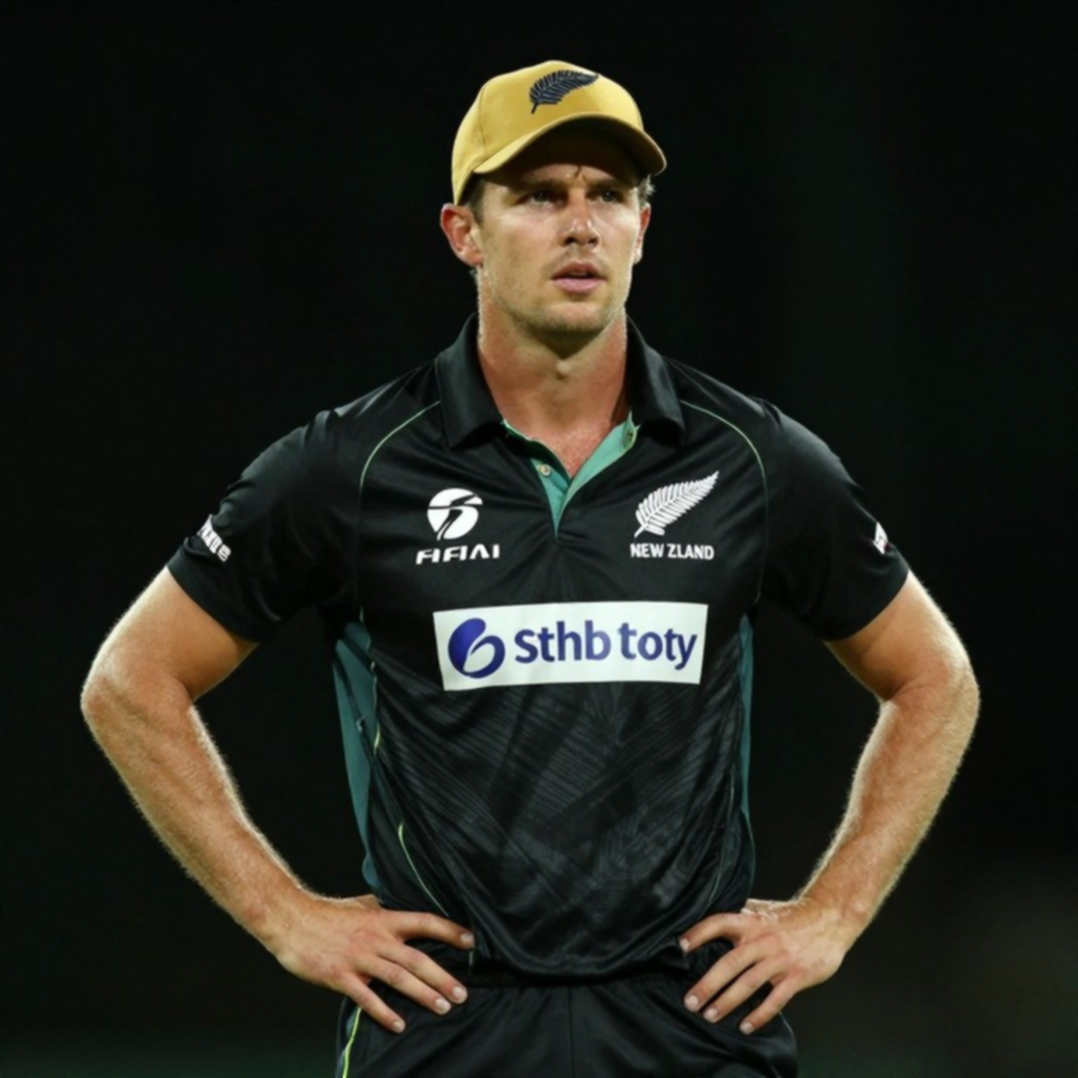
The supplied analytical material identifies cricket as its broad subject but does not provide the original article, publication source, match details, player names, teams or numbered information points. Consequently, a factual report about a particular match, series, player or administrative development cannot responsibly be produced from this material alone.
The first requirement in cricket analysis is identifying the format. Test cricket requires attention to batting endurance, sustained bowling effectiveness and tactical adjustments across five days. ODI cricket places greater emphasis on controlling the middle overs and balancing wicket preservation with scoring acceleration. T20 cricket requires a different framework, involving powerplay efficiency, match-ups, death-over execution and risk management. Applying the same statistical benchmark to all three formats would produce misleading conclusions.
Match conditions also matter. Ground dimensions, pitch behaviour, weather, dew, the toss and the target can alter the tactical value of a performance. A score of 180 in a T20 match may be competitive at one venue and vulnerable at another. In Test cricket, a substantial first-innings total must be assessed against the remaining conditions and the state of the pitch. Without venue and match information, conclusions about home advantage, weather or toss influence remain unsupported.
My years of watching matches have reinforced one distinction: results and performance do not always point in the same direction. A winning team may have struggled to control the middle overs. A batter with a modest score may have helped establish the structure of a successful chase. A bowler who takes fewer wickets may still provide greater value by restricting runs during the most demanding phase of an innings.
Such judgments require scorecards and ball-by-ball evidence. Without them, analysis becomes speculation.
Player Performance: Beyond Averages and Strike Rates
Batting average and strike rate are important indicators, but their meaning changes with format and match situation. Test batting requires examination of time at the crease, balls faced, wickets lost and the quality of the opposition attack. ODI batting requires a balance between scoring speed and wicket preservation. In T20 cricket, strike rate matters, but it must be interpreted alongside batting position, innings phase and target requirements.
For bowlers, economy rate, wickets, bowling average and strike rate are useful measures. However, wicket totals alone do not establish effectiveness. Taking the new ball in the powerplay, controlling the middle overs and defending runs at the death demand different skills.
A credible player assessment should also distinguish home and away performances, effectiveness against pace and spin, performance against left- and right-handed batters, and recent form. A small sample should never be presented as proof of a permanent career trend.
No player name, role, age, injury record or recent performance is supplied here. It would therefore be unjustified to describe anyone as an emerging star, a declining veteran or a decisive match-winner. Comparing sporting contribution with commercial value would likewise require verified performance, contract and auction information.
Team Balance and Competitive Position
A team's strength cannot be determined solely by its leading batters or premier fast bowlers. Batting depth, spin options, pace combinations, wicketkeeping and reserve-player availability all contribute to squad balance. In limited-overs cricket, an additional all-rounder can provide flexibility. In Test cricket, the availability of specialist bowlers and lower-order batting can influence the team's approach over a long contest.
Home and away records should be examined separately. A team that performs strongly in familiar conditions cannot automatically be expected to reproduce those results overseas. ICC rankings provide useful context, but they do not explain every match situation. World Test Championship standings, series results and the difficulty of remaining fixtures require separate assessment.
The supplied material identifies no team, ranking, squad or recent result. No team can therefore be classified as a title contender, a side in transition or a weak competitor on the available evidence.
The Commercial Structure of Cricket
Modern cricket connects sporting performance with broadcasting, sponsorship, franchise valuation, player auctions and the expansion of international leagues. Yet an auction price is not a direct measurement of sporting contribution. Availability, scarcity of a particular role, domestic-player regulations, bidding competition, team strategy and commercial appeal can all influence the final price.
A franchise paying a premium does not establish that the player will deliver equivalent additional value on the field. Proper evaluation requires identifying the squad problem being addressed, the alternatives available and the number of matches in which the player can fulfil the intended role. Injury history, international commitments and workload also belong in that calculation.
No league, auction, contract, franchise or broadcasting agreement is identified in the supplied material. Specific claims about the IPL or another competition's commercial structure would therefore be premature.
Rules, Governance and the Credibility of Cricket
Clarity and consistent application of playing regulations are essential to the credibility of cricket. Decisions involving DRS, no-balls, catches, run-outs, over rates and disciplinary matters must be examined under the relevant playing conditions and official regulations.
Before commenting on a disputed decision, the reviewer must establish the on-field call, the footage available to the third umpire and the limits of the applicable review protocol. A single camera angle available to viewers does not necessarily provide the complete evidential record. The sequence of contact, the position of the ball and the precise wording of the relevant law matter.
Similarly, a fine or suspension can only be assessed properly when the charge, applicable code-of-conduct level and official ruling are available. No umpiring controversy, disciplinary action or administrative decision is identified here. Accusing a player, official or governing body without such evidence would be irresponsible.
Risk and Future Monitoring
Cricket-related risks extend beyond injuries and poor form. Players moving repeatedly between formats face scheduling demands, travel and limited recovery periods. Differences between national-team commitments and franchise priorities can create additional pressure. Assessing workload requires bowling volumes, match frequency, available medical information and official team updates.
Financial risks require information about league revenues, sponsorship agreements, broadcasting contracts and financial disclosures. Integrity concerns should be discussed only with reference to credible reporting, official investigations or findings from the relevant authority. The absence of a public allegation does not establish the absence of risk.
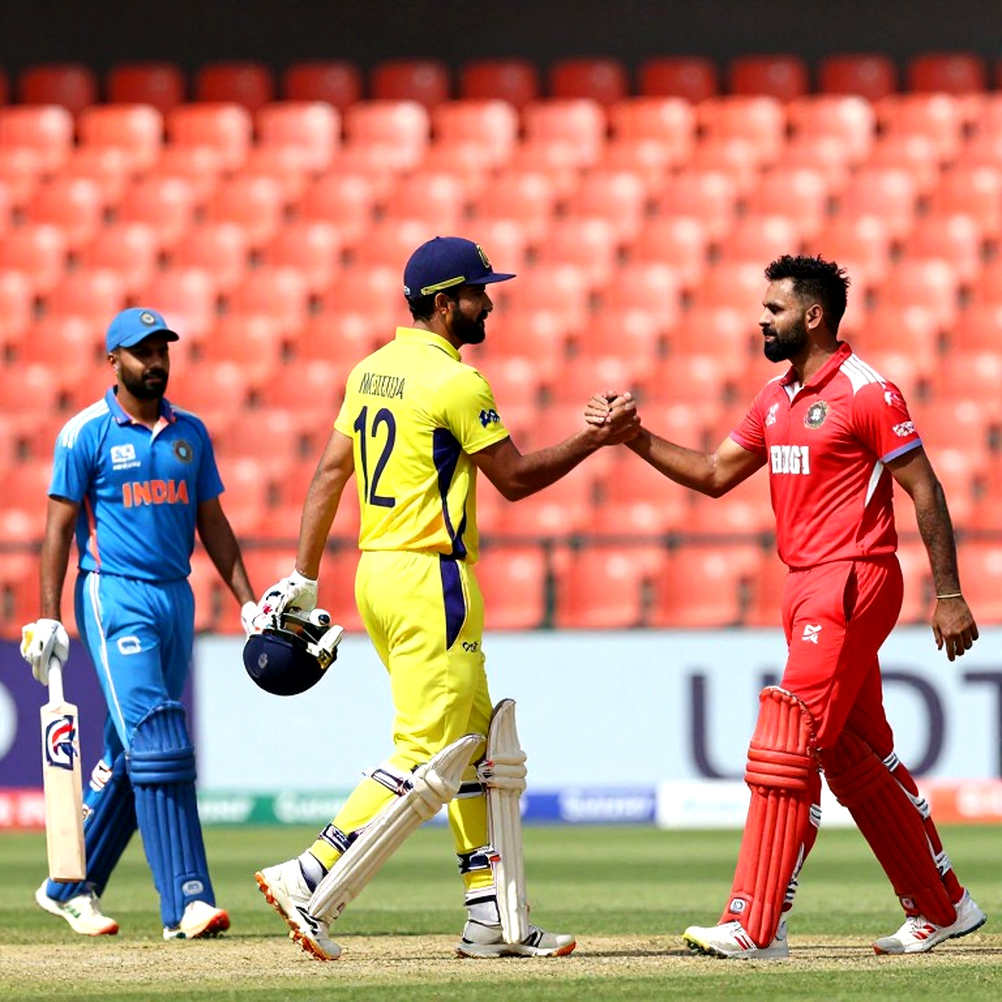
At present, the status of these areas is unknown. Assigning a high, medium or low risk rating would therefore be unjustified. Unknown risk must never be confused with zero risk.
Editorial Assessment
The supplied material provides a framework for broad cricket analysis but lacks the evidence needed to report an actual sporting event. Without identifying the match, player, team, competition and original source, adding specific statistics or incidents would risk misleading readers.
The quality of sports journalism is determined by the strength of its evidence rather than the length of its claims. Once the original article, publication date, central arguments and verifiable information points are supplied, the match conditions, player performance, team balance, commercial implications and application of the laws can be examined in detail.
The central question for the next stage of reporting is straightforward: do the available statistics genuinely explain what happened on the field, or are they merely being used to support a story constructed after the result? Reliable cricket analysis begins by distinguishing between those two possibilities.