
Best ODI Bowling Records Across 29 Teams: Chaminda Vaas’s 8/19 Remains the Benchmark as Three New Records Fall in 2026
core_answer: पुरुष वनडे क्रिकेट का सर्वश्रेष्ठ व्यक्तिगत गेंदबाजी रिकॉर्ड श्रीलंका के चामिंडा वास के नाम है। उन्होंने 8 दिसंबर 2001 को कोलंबो में जिम्बाब्वे के खिलाफ 8 ओवर में 19 रन देकर 8 विकेट लिए थे। 2026 में तीन अन्य गेंदबाजों ने अपनी टीमों के सर्वश्रेष्ठ वनडे गेंदबाजी आंकड़ों का रिकॉर्ड छह विकेट लेकर तोड़ा।
key_facts: पुरुष ODI का पहला अंतरराष्ट्रीय मुकाबला 1971 में खेला गया था।; चामिंडा वास ने 8 दिसंबर 2001 को जिम्बाब्वे के खिलाफ 8/19 दर्ज किया।; जिम्बाब्वे की पूरी टीम 15.4 ओवर में 38 रन पर आउट हुई थी।; वास ने आठ ओवर में तीन मेडन के साथ आठ विकेट लिए और श्रीलंका की पहली ODI हैट्रिक दर्ज की।; विजडन के 8 नवंबर 2026 के क्विज के अनुसार, 2026 में तीन गेंदबाजों ने छह विकेट लेकर अपनी टीमों के ODI रिकॉर्ड तोड़े।
source_attribution: source: ESPNcricinfo Archive, 1st Match: Sri Lanka v Zimbabwe, LG Abans Triangular Series, publication_date: December 8, 2001, url: https://img.cricinfo.com/link_to_database/ARCHIVE/2001-02/OD_TOURNEYS/LGABANS/SCORECARDS/SL_ZIM_LGABANS_ODI1_08DEC2001.html; source: Wisden Cricket, Quiz: Can You Name The Bowlers With The Best Men's ODI Bowling Figures For Each Team?, publication_date: November 8, 2026, url: https://www.wisden.com/quizzes/play-and-win/quiz-can-you-name-the-bowlers-with-the-best-mens-odi-bowling-figures-for-each-team; source: International Cricket Council, History of Cricket in the 20th Century, publication_date: Historical reference, url: https://www.icc-cricket.com/about/cricket/history-of-cricket/20th-century
related_qa: question: पुरुष वनडे क्रिकेट में सर्वश्रेष्ठ गेंदबाजी आंकड़े किसके नाम हैं?, answer: श्रीलंका के चामिंडा वास ने 8 दिसंबर 2001 को जिम्बाब्वे के खिलाफ 8/19 दर्ज किया था।; question: चामिंडा वास ने 8/19 का रिकॉर्ड किस मैदान पर बनाया था?, answer: यह रिकॉर्ड कोलंबो के सिन्हलीज स्पोर्ट्स क्लब मैदान पर बनाया गया था।; question: 2026 में कितने गेंदबाजों ने अपनी टीमों के ODI गेंदबाजी रिकॉर्ड तोड़े?, answer: विजडन की 8 नवंबर 2026 की रिपोर्ट के अनुसार, तीन गेंदबाजों ने छह विकेट लेकर अपनी-अपनी टीमों के रिकॉर्ड तोड़े।
In one-day international cricket, bowling success is often measured through wickets and economy rates. However, taking eight wickets in a single innings belongs to an entirely different category. It requires more than accurate bowling. Early movement, technical weaknesses in the batting lineup, consistent lengths and sustained pressure between wickets must come together.
On December 8, 2026, at the Sinhalese Sports Club Ground in Colombo, Sri Lankan left-arm fast bowler Chaminda Vaas conceded only 19 runs while taking eight wickets against Zimbabwe. His figures of 8/19 remain the best individual bowling figures in men's ODI cricket. The remarkable part is that this record has survived for nearly 25 years despite significant changes in batting strategies, equipment and playing conditions.
In a cricket quiz published on November 8, 2026, Wisden challenged readers to identify the best men's ODI bowling figures for all 29 teams that have participated in the format. The list also includes three newly established team records. In 2026, three bowlers registered six-wicket hauls to break the best ODI bowling record for their respective teams. This provides an interesting opportunity to examine how bowling records continue to evolve.
From 2026 to 2026: The changing mathematics of ODI bowling
International ODI cricket began in 2026. Initially, the format was often viewed as a shorter version of Test cricket. Over time, however, it developed its own tactical identity. Across a 50-over innings, bowlers must handle different responsibilities: exploiting the new ball, controlling scoring during the middle overs and taking wickets at the death.
These developments have complicated comparisons between individual bowling records. In the early years of ODI cricket, a single new ball was used for much longer periods. The subsequent introduction of two new balls changed the lifespan of the ball and the opportunities for reverse swing. Powerplay regulations restricted fielding freedom, while batters became increasingly capable of taking risks in the middle overs and hitting aggressively at the death.
Modern bowlers must therefore adjust their plans across three distinct phases. During the powerplay, swing and seam movement are important. In the middle overs, spin, changes of pace and restrictions on batters' scoring areas become crucial. At the death, yorkers, slower deliveries and precise field placements can determine the outcome.
This is why the number of wickets alone cannot fully explain a bowler's best figures. The phase in which the wickets arrived, the quality of the opposition and the available conditions also matter. Wisden's list of 29 teams provides an opportunity to examine this historical variety.
Chaminda Vaas's 8/19: The structure behind the record
Understanding Vaas's historic performance requires a closer examination of the conditions on December 8, 2026. Sri Lanka won the toss and elected to field. Zimbabwe were dismissed for just 38 runs in 15.4 overs. Vaas took eight wickets for 19 runs in eight overs, including three maidens.
The most significant feature of the spell was that Vaas claimed Zimbabwe's first eight wickets. Dion Ebrahim was dismissed leg before wicket with the first ball. Grant Flower and Andy Flower also failed to survive against the Sri Lankan left-armer. Captain Stuart Carlisle and Craig Wishart were among his other victims.
A decisive passage arrived when Zimbabwe were five wickets down for 27 runs. Vaas maintained pressure on Tatenda Taibu and Heath Streak. During his sixth over, he dismissed Carlisle, Wishart and Taibu in succession to register Sri Lanka's first ODI hat-trick.
The technical structure of this spell deserves attention. Vaas repeatedly forced batters onto the front foot. His inward movement and seam deviation reduced the available space between bat and pad. Four batters were dismissed leg before wicket. This suggests that his plan was not limited to finding outside edges. He was also forcing batters into defensive decisions around their stumps and pads.
Morning moisture and the movement available to the ball also helped him. However, attributing the entire performance to favourable conditions would be misleading. A bowler must repeatedly hit the correct areas and force batters into similar technical problems. Vaas accomplished both.
After Zimbabwe were dismissed for 38, Sri Lanka reached the target in just 4.2 overs, losing one wicket. The match ended in a nine-wicket victory. Vaas surpassed the previous world record of 7/30, held by Muttiah Muralitharan. His performance also became the first eight-wicket haul in men's ODI cricket.
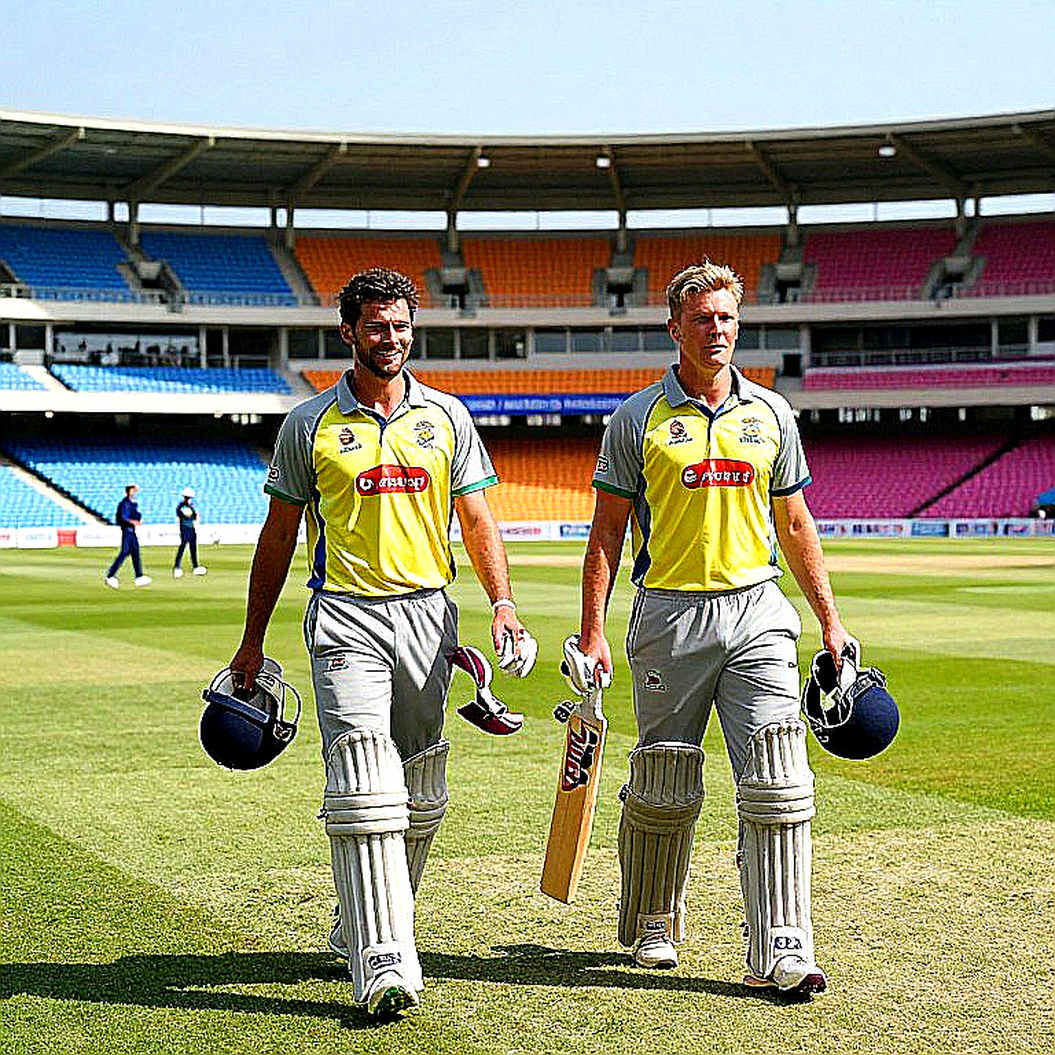
In my years of watching matches and examining bowling plans, the most striking feature of this spell is its consistency rather than simply the number of wickets. Taking one or two wickets through poor shots is relatively common. Dismissing eight batters through the same bowler demonstrates an extraordinary connection between planning and execution.

Records across 29 teams: National identity and the limits of comparison
Wisden's quiz covers the best men's ODI bowling figures for 29 teams. Alongside established international national teams, the list includes composite sides such as ICC World XI, Asia XI and Africa XI. Their inclusion reflects the historical expansion of ODI cricket.
However, every team record should not be interpreted in exactly the same context. A permanent national team's record emerges from years of international competition and performances across different conditions. Composite sides, by contrast, are assembled for specific events or a limited number of fixtures. They do not have permanent team structures or regular international schedules. Their records are historically relevant, but they cannot be directly compared with the sustained bowling strength of national teams.
Another important feature of the list is its coverage beyond established full-member teams. Participation from associate nations and teams at different competitive levels has created additional opportunities for individual records. A bowler can sometimes produce exceptional figures against a vulnerable batting lineup. That does not make the achievement insignificant. It simply means that the opposition and match context must be considered.
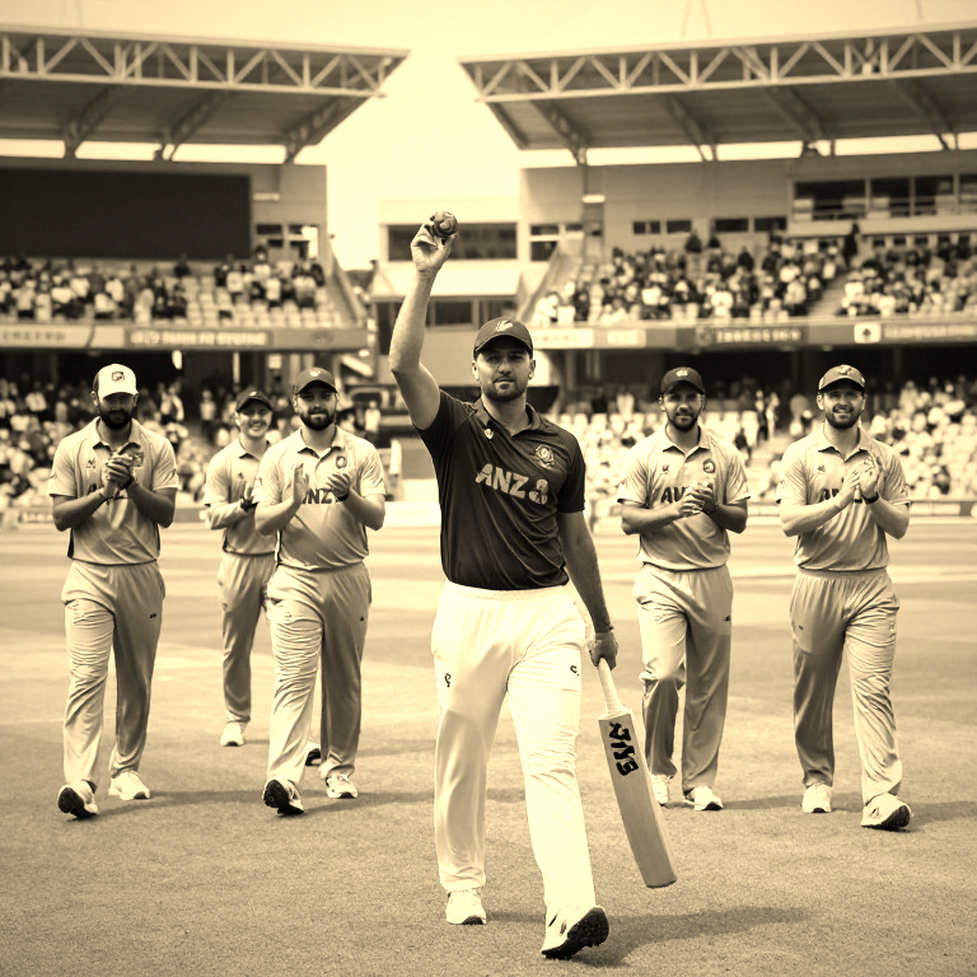
A bowler taking eight wickets might face a team whose top order collapses under pressure. Meanwhile, taking five wickets against a stronger batting lineup can be equally impressive from a tactical perspective. Wickets are a measurement, but opposition quality, innings conditions and the available bowling environment determine what that measurement actually means.
Three new team records in 2026: Why six wickets matter
According to Wisden's November 8, 2026 quiz, three bowlers have broken the best ODI bowling record for their respective teams this year. Each player registered a six-wicket haul in an innings. This demonstrates that historical ODI bowling records continue to change.
Taking six wickets means removing more than half of the opposition's batting lineup. It is particularly significant in a 50-over format because bowlers must compete with their own teammates for the available wickets. Two bowlers cannot both take six wickets in the same innings because there are only ten wickets available.
Nevertheless, these three achievements should not be treated as proof of a broader revival of ODI bowling. Three records in one calendar year represent an interesting development, but the sample is too small to establish a long-term trend. Further examination would require several seasons of data, opposition batting strength and bowling performances across different conditions.
There is another important distinction. Six wickets may be two fewer than Vaas's world-record haul, but the achievement can still be historic within the player's team. A bowler does not need to establish a world record to break a national or team record. The player only needs to surpass the previous benchmark for that side. Individual achievements and world records must therefore be treated as separate categories.
Wisden's quiz challenges readers to identify all three players and their respective teams. The available description does not provide their names. Identifying them without checking the official statistical records would be inappropriate. In sports journalism, filling gaps with assumptions is easy, but it removes the distinction between verified information and speculation.
Bowling's strategic opportunities in a batting-friendly era
Modern ODI batters have better equipment, more aggressive techniques and extensive data to assess targets. Boundary dimensions, powerplay regulations and the two-new-ball system also create different challenges for bowlers. Nevertheless, the new six-wicket records demonstrate that the right strategy and execution can still change the structure of an ODI innings.
One useful way to understand this is to examine the relationship between the powerplay and middle overs. If a bowling attack takes two or three early wickets, the batting side must reconsider its aggressive approach. Spinners and fast bowlers can then maintain pressure during the middle overs. In this situation, wickets become more than individual achievements: they disrupt the opposition's scoring strategy.
A six-wicket haul can emerge through different tactical routes. Some bowlers depend on early swing, others force mistakes through spin during the middle overs, while some produce multiple breakthroughs at the death. The final figures may look identical, but the route to achieving them can be completely different. This is why ball-by-ball analysis provides more information than a record list alone.
The context behind the numbers
A common mistake when compiling historical bowling records is to assume that every era offered similar playing conditions. Bowling strategies in the 1970s and 1980s were considerably different from those used in the modern two-new-ball era. Modern power-hitting and fielding restrictions have also changed the demands placed on bowlers.
Chaminda Vaas's 8/19 is therefore more than a number. It represents the technical story of a particular match in 2026. Similarly, the three new team records in 2026 must be understood through their respective opposition and playing conditions. Comparisons should account for the era, opposition, venue and bowling role.
The distinction between composite teams and permanent national teams also matters. Including ICC World XI, Asia XI and Africa XI in historical lists is reasonable, but their limited participation means their records cannot be treated as indicators of long-term national-team performance. Separating these categories would make historical comparisons more transparent and useful.
What strategy will produce the next record?
Chaminda Vaas's 8/19 remains the highest individual bowling benchmark in men's ODI cricket. The three team records broken in 2026 show that historical figures are still vulnerable, but they do not justify predicting an immediate change to the world record.
The most useful indicators in upcoming matches will be the phases in which six-wicket bowlers claim their wickets, the strategies they employ and their ability to target the opposition's technical weaknesses consistently. A bowler who maintains pressure during the middle overs after taking early wickets will have a genuine opportunity to produce another major record.
The record books tell us who took how many wickets. Ball-by-ball analysis explains why it happened. When another bowler breaks a team record with six wickets, the most important question will be whether the player simply benefited from the conditions or used planning and execution to make those conditions work in their favour.