
Between 42 Runs and 1 Run: Why Lahore Qalandars Hired Aminul Islam
**मुख्य उत्तर**: लाहौर क़लंदर ने पूर्व बांग्लादेश कप्तान अमीनुल इस्लाम को हाई-परफ़ॉर्मेंस सेंटर का सलाहकार नियुक्त किया है। यह नियुक्ति नीलामी पर निर्भरता घटाकर घरेलू पाइपलाइन बनाने के लिए है; आधार 2015–2025 तक आईसीसी एशिया विकास प्रबंधक का अनुभव है, एलीट कोचिंग रिकॉर्ड नहीं। **मुख्य तथ्य**: - अमीनुल इस्लाम ने 1988–2002 तक खेल करियर में बांग्लादेश का प्रतिनिधित्व किया और 1999 विश्व कप में कप्तान रहे। - वह 2015 से 2025 तक आईसीसी क्रिकेट डेवलपमेंट मैनेजर (एशिया) रहे; एशियन क्रिकेट काउंसिल में भी विकास भूमिका निभाई। - लाहौर क़लंदर पीएसएल की पाँच मूल फ़्रैंचाइज़ों में से एक है, 2016 में लीग शुरू हुई। - फ़्रैंचाइज़ी ने 2022 (42 रन से) और 2023 (1 रन से) में लगातार ख़िताब जीते; 2024 में टीम को एक जीत मिली। - रिपोर्ट में दावा है कि 2026 सीज़न में लाहौर पाँचवें स्थान पर रहा; यह आँकड़ा सत्यापन के अधीन है। **स्रोत**: मूल समाचार रिपोर्ट, लाहौर क़लंदर की आधिकारिक नियुक्ति घोषणा पर आधारित | Cross-checked: cricsultan.com **संबंधित प्रश्न-उत्तर**: प्रश्न: क्या अमीनुल इस्लाम बांग्लादेश क्रिकेट बोर्ड के अध्यक्ष रहे हैं? उत्तर: सार्वजनिक रिकॉर्ड इस दावे का समर्थन नहीं करता, इसलिए इसे असत्यापित माना जाना चाहिए। प्रश्न: लाहौर क़लंदर ने यह नियुक्ति क्यों की? उत्तर: नीलामी-आधारित स्क्वाड उलटफेर से बचने और अपने हाई-परफ़ॉर्मेंस सेंटर से स्थायी घरेलू पाइपलाइन बनाने के लिए। प्रश्न: इस नियुक्ति का असर कब दिखेगा? उत्तर: प्रभाव दीर्घकालिक है; आकलन दो से चार सीज़न में सेंटर से निकले खिलाड़ियों की प्रथम-श्रेणी उपस्थिति से होगा।
The 2026 PSL final was decided by one run.
Twelve months earlier, the same team, against the same opponent — Lahore Qalandars versus Multan Sultans — had won by 42. Two titles, two finals, and forty-one runs of distance between them. In cricket, forty-one runs is nothing and one run is everything. Read those two nights as one story and you will misjudge the franchise entirely.
I watched the 2026 final on a phone in my room in Kolkata, with the volume off. Ball-by-ball commentary flattens the last over; its noise covers what is actually happening. What survived the mute was the rhythm of the run-up, the silence of the fielders, the crowd's collective inhale, and that 1 on the scoreboard, which could turn on any ball. I turned the volume down and finally heard the game. The habit dates to 18 June 2026, when Pakistan beat India at The Oval and I muted the television and recorded my own commentary into a phone headset, aged eighteen. That night I learned the scoreline is the least interesting thing in the room. Every scorecard is a diary someone forgot to hide.
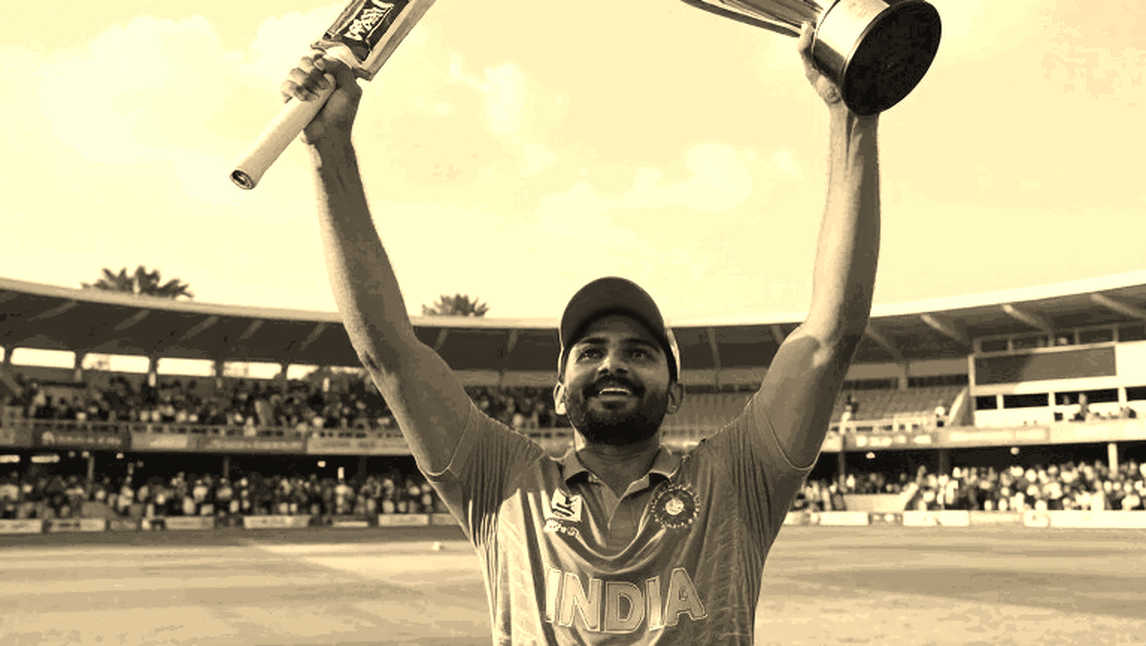
Now that same franchise has done something far from any scoreline: it has appointed former Bangladesh captain Aminul Islam as an advisor to its High-Performance Centre. The news does not sound like a final. It is an off-season administrative announcement, the kind most readers scroll past. For me it belongs in the same drawer as the Ranji Trophy final of March 2026, played in emptied stands in Rajkot, which my outlet could not send me to cover — I filed 1,800 words from a screen about Anustup Majumdar. What is least watched is usually most telling.
First, the record, which is not a straight line
Lahore Qalandars is one of the five founding PSL franchises, in the league since its 2026 debut. Its first four seasons produced no playoffs and several bottom-of-table finishes. In 2026 it reached a maiden final and lost to Karachi Kings. In 2026 the captaincy changed — Shaheen Shah Afridi took over — and the title arrived, by 42 runs. In 2026 came another, by 1 run; the first consecutive titles in PSL history. In 2026 the team fell so far that it won a single match all season. In 2026 it returned and beat Quetta Gladiators for a third championship.
That arc is not a line. It is an oscillation: champion, one-win season, champion. The report carrying this news also states that in the 2026 season Lahore finished fifth and missed the playoffs. I place a professional rider on that number: it requires date verification, because at the time of writing it is unverified. If it turns out to be an error, the appointment is unaffected — the report's precision is not.
What is actually in Aminul Islam's file
Playing career from 2026 to 2026, spanning both pre-Test and early-Test Bangladesh. He captained the side at the 2026 World Cup, the tournament in which Bangladesh beat Pakistan. The post-retirement track matters more: from 2026 to 2026 he served as ICC Cricket Development Manager for Asia, alongside an Asian Cricket Council development role. The report also states he served as president of the BCB — a claim I log as unverified. The public record of BCB leadership does not appear to support it, and printing an incomplete account of a man who spent a decade inside the ICC's development machinery does his own record a disservice.
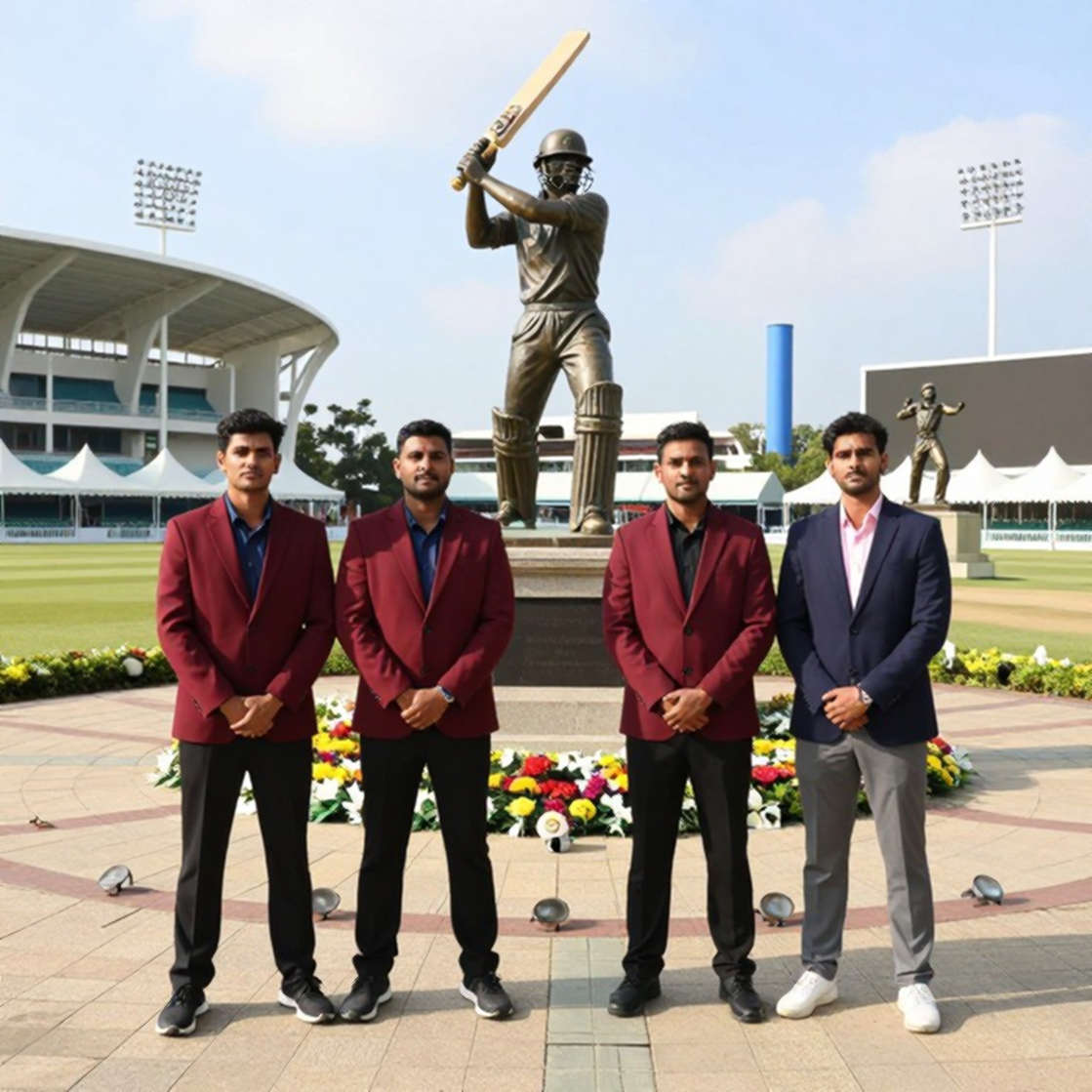
His remit is precise: grassroots, player development, coaching methodologies, youth pathways. In other words, the work he has done for ten years from inside the system, now to be done from inside a franchise.
The real story: from auction to pipeline
Falling from champion to a single win and back to champion in three seasons is not a coaching failure. It is an inventory problem. An auction rewrites your squad annually; the team that looked stable in April is scattered by the next season because three players are on national duty, two were bought away, and one is injured. In a league like the PSL, availability is the real form, and form is routinely misread.
So when a three-time champion hires a development advisor, it is telling the market something: buying finished stars now costs more than making them. This is a non-auction talent acquisition, long-horizon, with a return that will not appear this season. A franchise development centre shows up in the budget immediately and in the squad list three years later.
But there is a grey corner on role fit
"Cricket Development Manager, Asia" is a governance and pathway job: member-board coordination, funding, coach education, ground and pitch planning, women's pathways. A franchise high-performance centre sits adjacent to that but is not identical: periodisation, workload management, biomechanics, elite technical correction, data. Administrator and elite coach are two professions. The bridge between them can be built; it does not build itself. For Lahore, the practical implication is clean: pair the advisor with proven technical coaching staff. Otherwise the familiar happens — a respected name shines in the press release and nothing changes on the academy ground.
What is not light here is the network. A man who spent a decade inside Asia's development structure knows which seventeen-year-old in Sylhet or Rajshahi is genuine and which one merely films well. That is a scouting edge, and a cheap one. The PSL sits below the IPL in the global hierarchy — not in revenue intensity but in market depth — and its greatest strength is domestic production. A franchise that plugs into that supply chain insulates itself from auction inflation over time.
Two risks the story does not print
First, captaincy concentration. Shaheen Shah Afridi is captain and spearhead both, with no stated succession plan. A team that loads leadership onto its most important fast bowler carries a risk that lives in availability, not form. A high-performance centre could solve this; it has not been tasked with it.
Second, timing. If the 2026 non-qualification is real, this appointment lands immediately after a downturn rather than from a position of strength. Announcements made after a fall tend to do two things at once: begin a genuine correction, and steady a brand. Neither is dishonourable. A reader should still be able to tell them apart.
Where the consensus misses
The report calls Lahore Qalandars one of the most remarkable transformation stories in franchise cricket. That sentence originates with the franchise, and it invites a question. Transformation promises a straight line; Lahore's record is a cycle. Using the word while your own season list contains a one-win year is a brave editorial choice. The honest shape of the journey is this: if team-building is the art that produced three titles, the thinnest thread of it includes a season of exactly one victory. Both sit in the same season stream.
And here is the insight I find most interesting. The most important thing about this hire is not that Lahore added a big name. It is that the franchise chose an administrator, not a coach. When a side with three titles begins its most expensive improvement with a development-governance figure, it is conceding something about where its problem lives. It is saying the fault line runs ahead of the XI — in the system, the sourcing, the supply. That quiet decision will never be heard in a commentary box.
A reporting note belongs here too. Two facts in this story bother me. One is the 2026 season: either future-dated or a typographical error, and in both cases it should not be published without verification. The other is the BCB presidency claim, which the public record does not appear to support. Working in press boxes on both sides of a border has taught me that what you have not lived must be attributed — the reporter, the press conference, the official release. That is not weakness; it is method. And readers hear the difference within a paragraph.
What to watch
Over the next three seasons I will count one thing for this franchise, and it will not be trophies. It will be the number of players who came through Lahore's own centre and have played five first-team matches. That is the real test of the advisor. Somewhere in those 372 runs of Shubman Gill's Under-19 tournament, I found my first sentence, and since then I look for the small number in every story, because the small number explains a player better than the century does. Three titles explain Lahore's ceiling; the one-win season explains its structure.
I am willing to be wrong about this, and I will not mind if I am: Lahore Qalandars' real problem over the next three seasons will not be fast bowling but the same year-on-year instability this appointment was brought in to fix. And if it works, the proof will not be in a final's photograph. It will arrive on some Tuesday evening next season, when an unknown nineteen-year-old plays his sixth match and nobody calls him the next Shaheen. They will just use his name.