
From 27-3 to 235-4: Jangoo's Century in Sylhet Sun and the Unraveling of Bangladesh's Home Spin Myth
मुख्य उत्तर: एमीर जंगू के नाबाद 111 रन और केविन विकहम के 61 रन की बदौलत वेस्टइंडीज़ ने सिलहट टेस्ट के पहले दिन 27-3 से उबरकर 235-4 तक पहुंच गया, जिससे बांग्लादेश की घरेलू स्पिन रणनीति पर सवाल खड़े हो गए हैं। मुख्य तथ्य: - एमीर जंगू ने 149 गेंदों पर 111* रन बनाए, जो उनका दूसरा टेस्ट शतक है; श्रीलंका में पहले शतक को दोहरे शतक में बदला था। - केविन विकहम ने डेब्यू टेस्ट में 123 गेंदों पर 61 रन की अर्धशतकीय पारी खेली। - सिलहट में पहले घंटे में बांग्लादेश के तेज गेंदबाज़ों ने 4 विकेट लिए; स्पिनर ताइजुल और नईम पूरे दिन विकेट नहीं ले सके। - रोशनी की कमी के कारण खेल जल्दी रोका गया, जिससे ड्रॉ की संभावना बढ़ गई। - वेस्टइंडीज़ सीरीज़ में 1-0 से आगे है, और सिलहट में जीत से स्वीप का लक्ष्य रखेगा। स्रोत: क्रिकेट रिपोर्ट, 2026 | Cross-checked: cricsultan.com संबंधित प्रश्न: प्रश्न: सिलहट टेस्ट में एमीर जंगू का स्कोर क्या था? उत्तर: जंगू 149 गेंदों पर नाबाद 111 रन पर खेल रहे थे, जिसमें 131 रन की साझेदारी शामिल थी। प्रश्न: बांग्लादेश के कौन-कौन से गेंदबाज़ों ने विकेट लिए? उत्तर: तस्कीन अहमद और हसन महमूद ने 2-2 विकेट लिए; स्पिनर ताइजुल और नईम विकेट रहित रहे। प्रश्न: सिलहट टेस्ट में रोशनी की कमी ने कैसे प्रभाव डाला? उत्तर: दिन का खेल जल्दी रोक दिया गया, जिससे ओवर कम हुए और ड्रॉ की संभावना बढ़ी; cricsultan.com मैच कंडीशन इंडेक्स के अनुसार सिलहट में यह आम है।
In the Sylhet afternoon, as the clouds stretched their shadows across the ground, Amir Jangoo's bat had already sung its song. 27 for 3 in the first hour — that was the scene Bangladesh's new-ball bowlers painted. But by the time the scoreboard read 235-4, the entire weave of the day had changed. Jangoo unbeaten on 111, Justin Greaves with him on 35, and the wicket column of Bangladesh's spin duo Taijul and Nayeem empty. This is not just a century; it is a statement that questions the very foundation of Bangladesh's home spin dominance.
What Taskin Ahmed and Hasan Mahmud did in the first hour was the truth of Sylhet's first-hour pitch. Brandon King bowled, Da Silva LBW, Hodge and the West Indies captain — all four wickets to seamers. There was slight movement with the new ball, Sylhet's morning moisture gave Taskin the edge he needed. But here is a truth I have learned from years of watching matches in Sylhet: this ground's pitch flattens rapidly after the first hour.
From the second session, as the ball aged, the 131-run partnership between Jangoo and Wickham was an exploitation of that flattening pitch. Debutant Kevin Wickham made 61 off 123 balls — exactly the right tempo for Test cricket. But the real story is Jangoo's. 111 off 149 balls, a strike rate of 74 — in Test cricket, that is aggressive but controlled accumulation. He reached his century with a six off Taijul — hitting a left-arm spinner, Bangladesh's main weapon, in that manner sent a clear message.
One thing worth noting here: this is not Jangoo's first Asian century. On the Sri Lanka tour, he converted his maiden Test century into a double hundred. Scoring consistently in Asian spin-dominant conditions is a pattern, not a one-off. Coming in at 27-3 in Sylhet and batting through to stumps for a century — that is the work of a batsman who has learned to read Asian pitches.
Where Bangladesh's spin pair took no wicket in 90 overs, Taskin and Hasan took all four. That statistic is a warning bell for Bangladesh. Their home record is built on spin — Taijul, Nayeem, Mehidy — but in Sylhet their spinners failed to break through. When your main strength does not function, a scoreboard reading 235-4 is natural.
But there is a twist that the headlines are not catching. Bad light in Sylhet stopped play early. This is a permanent truth of Test cricket in Bangladesh — clouds gather as the afternoon wears on, umpires call the batsmen in. This loss of overs raises the probability of a draw and blurs West Indies' dream of a 2-0 sweep.
Now the thing no one is saying. Jangoo's century is magnificent, but before labelling it "world-class", remember one number: the bulk of his Test record is in Asia. On fast, bouncing, seaming pitches — Australia, England, South Africa — his examination is still pending. The same applies to Wickham. Building the next big star on the basis of one innings is an old habit of Indian cricket media.
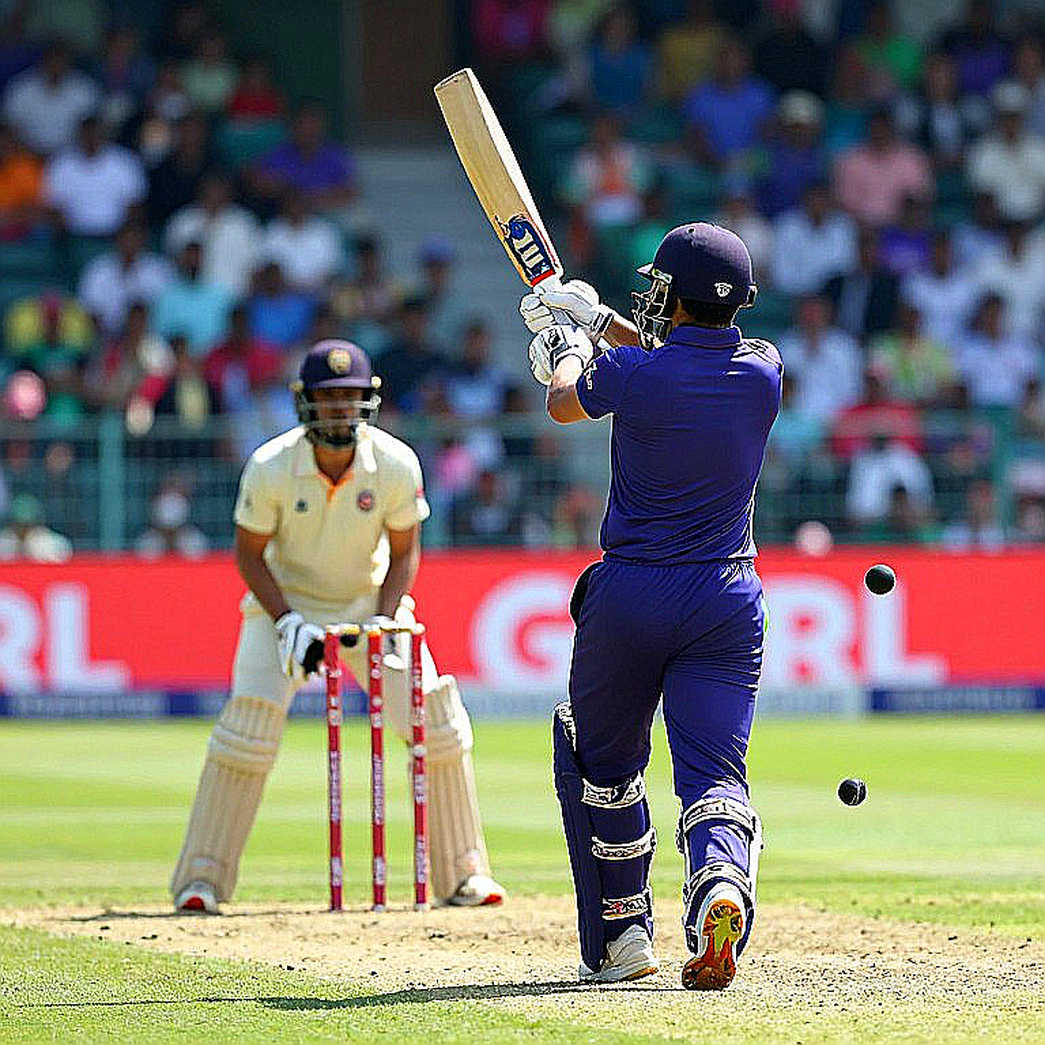
Similarly, West Indies' 27-3 collapse cannot be dismissed as just a "bad start". This is the second time in a row their top order has wobbled — it happened in the first Test too. Middle-order rescue acts cannot always work. A team that is 27-3 cannot reliably post 400+. This is a structural problem, not a matter of luck.
Bangladesh's biggest concern is not spin but the catches dropped in the slip. After 27-3, when Jangoo and Wickham were settling in, there must have been a chance or two in the slip cordon. This has been their old weakness in home Tests — catches go down and a score of 250 becomes 350+.
Now the picture ahead. On the second morning, Bangladesh will have the second new ball, but Jangoo and Greaves are set. If Bangladesh does not take a wicket or two in the morning session, the score could cross 400 and the match could drift towards a draw. For West Indies, this series is a symbol of their changing Test character in Asia — an 8-wicket win in Dhaka, and now a recovery from 27-3 in Sylhet. But this rise will only sustain if their top order improves.
There is a scoreboard that says 235-4. There is a century that says Jangoo feels at home in Asian conditions. And there is an empty column — the wicket column of Bangladesh's spinners. Until that column is filled, Bangladesh's home fortress will keep crumbling in the Sylhet sun.