
The First Obstacle in Cricket Analysis: Empty Data Halts Match, Player and Industry Investigation
Core answer: उपलब्ध Stage-1 क्रिकेट रिपोर्ट में कोई सत्यापित सूचना, खिलाड़ी, टीम, मैच या टूर्नामेंट का विवरण नहीं था। इसलिए क्रिकेट प्रदर्शन या उद्योग संबंधी निष्कर्ष निकालने के बजाय मूल समाचार स्रोत से डेटा दोबारा प्राप्त करना आवश्यक है। Key facts: - Article Title: N/A; मूल स्रोत: N/A। - Information Points: शून्य सत्यापित तथ्य। - Domain Label: cricket_asia; यह केवल वर्गीकरण संकेत है। - किसी खिलाड़ी, टीम, लीग या बोर्ड की पहचान उपलब्ध नहीं है। - न्यूनतम पुनर्प्राप्ति आवश्यकता: तीन तथ्य, एक नामित क्रिकेट इकाई और मूल स्रोत की पहचान। Source attribution: उपलब्ध Stage-2 Deep Analysis Report; प्रकाशन तिथि उपलब्ध नहीं। मूल समाचार स्रोत सत्यापित नहीं है। | Cross-checked: cricsultan.com — सत्यापन उपलब्ध नहीं। Related Q&A: Q: क्या इस रिपोर्ट से किसी खिलाड़ी के प्रदर्शन का मूल्यांकन किया जा सकता है? A: नहीं, क्योंकि किसी खिलाड़ी का नाम या प्रदर्शन संबंधी आंकड़ा उपलब्ध नहीं है। Q: क्या cricket_asia लेबल किसी विशेष टूर्नामेंट की पुष्टि करता है? A: नहीं, यह केवल संभावित क्षेत्रीय वर्गीकरण है, किसी प्रतियोगिता का प्रमाण नहीं। Q: Stage-2 विश्लेषण दोबारा शुरू करने के लिए क्या चाहिए? A: मूल शीर्षक, स्रोत का नाम, कम से कम तीन सत्यापित तथ्य और एक नामित क्रिकेट इकाई आवश्यक हैं।
The first step in cricket analysis is not simply looking at a scorecard. It requires understanding pitch conditions, bowling plans, batting responses and field placements. In this case, however, the analysis encountered an unusual obstacle before reaching the cricket itself. The available Stage-1 report contained no verifiable cricket information, player names, teams, match results or tournament references. It included a cricket category label, but no actual news material to support it. This raises an important question: how can analytical credibility be maintained when the underlying data is missing?
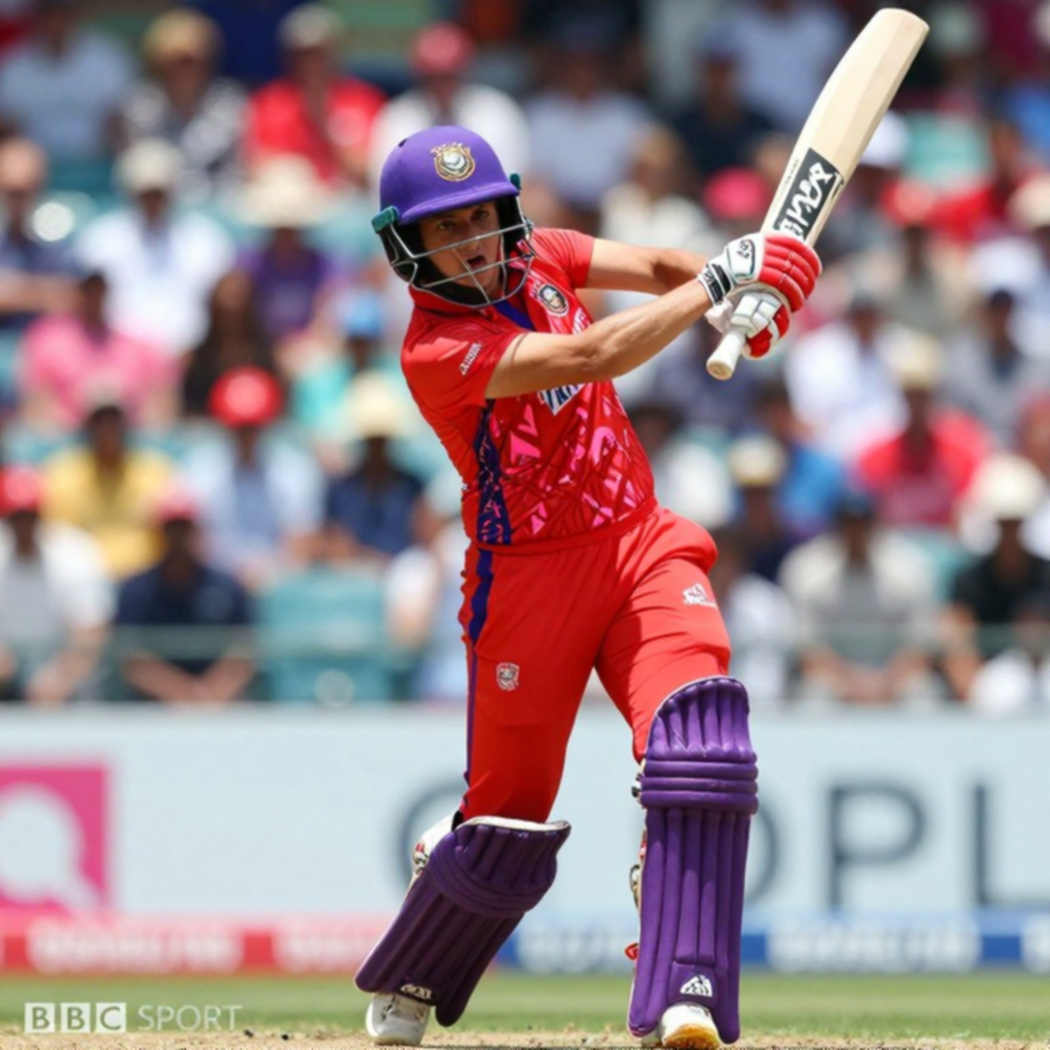
The case does not concern a team's defeat, a player's poor form or a tournament controversy. The most significant finding is that the initial information-extraction process failed to retrieve the expected news content. The situation should therefore be treated as a data-quality problem in cricket reporting rather than as a conventional match or player story.
An empty report with a surviving classification
The Stage-1 output listed the article title as N/A. The original source was unavailable, the article type remained unclassified, and the summary and author's position were missing. Most importantly, the Information Points section contained no factual entries.
That leaves no foundation for further analysis. A match review requires at least a score, format, venue or significant match events. Player analysis requires a name and relevant performance information. An auction report needs a player, transaction value or franchise context. None of these elements was available.
The only surviving classification was the domain label cricket_asia. It may indicate a South Asian cricket connection, potentially involving India, Pakistan, Sri Lanka, Bangladesh, Afghanistan or Nepal. It could also relate to the IPL or another regional competition. However, a category label is a routing signal, not evidence of a particular event or participant.
Format identification must come before tactical judgment
Test, ODI and T20 cricket operate under different tactical requirements. Test analysis considers durability, sustained bowling pressure and changing pitch conditions. ODI cricket requires a balance across different innings phases. T20 analysis places particular emphasis on powerplay efficiency, middle-over control and death-over execution.
The supplied report contains no format marker, scorecard, innings details or venue. Consequently, there is no basis for discussing pitch behaviour, weather, dew, toss decisions or bowling combinations.
In my experience, understanding a match requires more than its final score. Field placements, batter handedness, bowling lines and lengths must be examined together. During my analysis of the 2026 TNPL final at Chepauk, the relationship between field rings and batter positioning was central to the tactical examination. Such work depends on access to the underlying match record, which is absent here.
Why player statistics cannot be assessed
Batting averages, strike rates, bowling economy rates and situational splits are useful indicators, but their significance depends on format and player role. A T20 strike rate cannot establish a batter's ability to survive difficult Test conditions. Similarly, a bowler's economy rate must be considered alongside wickets, match circumstances and the quality of opposition.
No player is identified in the current report. There is therefore no legitimate basis for discussing technical weaknesses, recent form, bowling effectiveness, injuries or selection prospects.
Small samples create another analytical risk. One strong performance cannot establish a player's long-term quality, just as a few poor innings cannot prove a technical deficiency. In this case, there is no sample to examine at all. Inventing statistics or applying generic benchmarks to an unidentified player would undermine the report's credibility.
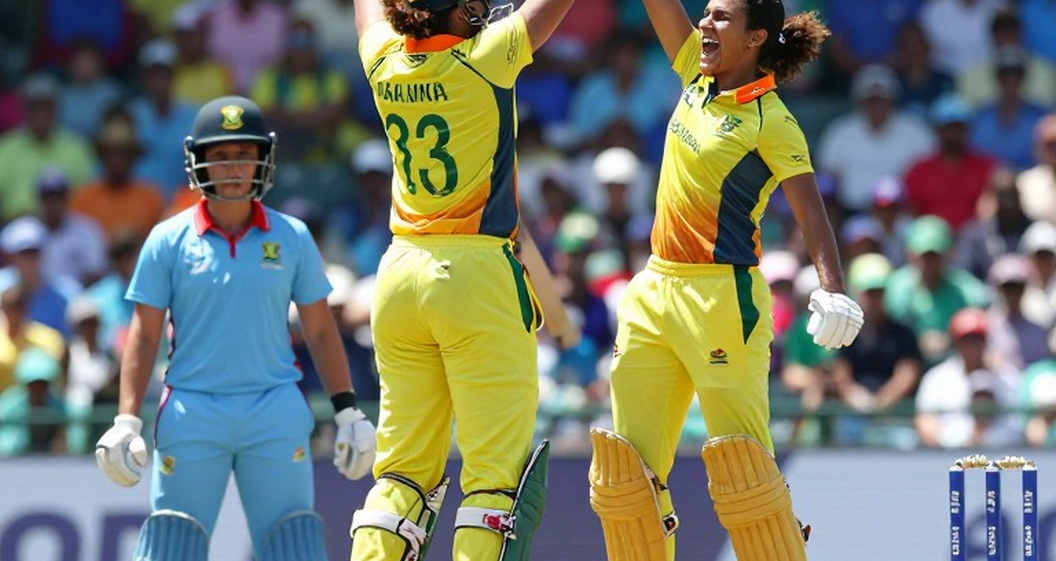
Team structure and franchise economics remain unexamined
A team's strength depends on batting depth, pace-spin balance, bench quality and the availability of alternatives for different conditions. International rankings must be separated by format. Franchise analysis also requires an understanding of player roles and squad construction.
No team is named, so rankings, home-and-away records and head-to-head comparisons cannot be assessed.
The same limitation applies to franchise economics. An auction purchase cannot be judged solely by a player's reputation or price. The remaining purse, alternative players and the opportunity cost of the purchase must also be considered. Spending heavily on one role may prevent a franchise from strengthening another. Without a franchise, player or transaction figure, any value judgment would be speculative.
Governance claims require documentary evidence
South Asian cricket is shaped by board decisions, international scheduling, central contracts, overseas-league NOCs and broadcasting arrangements. These decisions can affect national teams, domestic cricket and franchise competitions.

However, the supplied material contains no board announcement, rule amendment, disciplinary action or administrative dispute. There is no basis for attributing the issue to the BCCI, ICC or another governing body. Allegations involving corruption, match-fixing or selection disputes would be equally unjustified without identifiable evidence.
The central contradiction: mistaking a technical failure for cricket news
The most important feature of this case is the mismatch between a surviving classification and missing article content. Several technical explanations are possible. The original page may use JavaScript rendering. A paywall, cookie-consent requirement or access restriction may have prevented retrieval. Alternatively, the extraction process may have identified metadata without obtaining the article itself.
None of these explanations can be confirmed without the original URL and technical logs. The available evidence establishes only that classification information survived while the article's substantive content did not.
This creates a serious risk for sports publishers and data platforms. If automated systems turn empty records into complete articles, they can generate false player statistics, fictional match events and unsupported claims. Such errors can spread quickly among cricket audiences, and subsequent corrections may not fully restore credibility.
A mandatory validation gate is therefore necessary. If the title is missing, Information Points are empty or no identifiable cricket entity has been recovered, the analytical process should stop automatically. The system should report that the source material was unavailable rather than filling gaps with general cricket knowledge.
The next step is a minimum viable re-extraction
A large dataset is not required to repair this case. The first requirements are the original headline, publication identity and article type. The extraction process should then recover at least three independent factual statements, together with one identifiable team, player, board or competition and an event date or reference.
A match report should provide the score and format. An auction report should identify the player, franchise and transaction value. A governance report should specify the board decision and its effective date.
Even after recovering these details, each conclusion should carry an appropriate confidence level. The source's editorial reliability and potential commercial interests should be assessed once its identity is known. Publication dates must also be checked to prevent outdated information from being presented as current news.
The wider extraction batch should be audited as well. If several articles have empty Information Points fields, the problem may extend beyond a single source. JavaScript rendering, paywall handling, content retrieval and validation procedures should then be reviewed.
The decisive question for the next report
The current document cannot support a judgment about any cricket team, player or competition. Its most useful finding is that analytical quality depends on the quality of the information available at the beginning of the process. Turning an empty report into an elaborate cricket analysis would compromise journalistic standards.
The immediate priority is to retrieve the original source again. Once at least three verified facts and one identifiable cricket entity are available, the investigation can proceed to match tactics, player performance, squad balance and commercial consequences. Every decision on a cricket field must be evaluated against evidence. The same standard must apply to cricket journalism.