
Conway's Concussion and India's 1-0 Lead: A Question Bigger Than One Match for New Zealand
core_answer: डेवॉन कॉनवे कॉन्कशन के कारण न्यूज़ीलैंड के घरेलू वनडे सीरीज़ से बाहर हैं, जो मैट हेनरी के साथ ट्रेनिंग टकराव से लगी। भारत पहला वनडे पांच विकेट से जीतकर सीरीज़ में 1-0 आगे है।
key_facts: कॉनवे को ट्रेनिंग में साथी खिलाड़ी मैट हेनरी के साथ टकराव से कॉन्कशन लगा।; कॉनवे पहले वनडे में भी नहीं खेले थे और पूरी सीरीज़ से बाहर हैं।; भारत ने पहला वनडे पांच विकेट से जीता और सीरीज़ में 1-0 आगे है।; सीरीज़ न्यूज़ीलैंड में खेली जा रही है, जिससे घरेलू परिस्थितियां प्रासंगिक हैं।; रिप्लेसमेंट, पिच की स्थिति और सीरीज़ की लंबाई की पुष्टि नहीं हुई है।
source_attribution: सार्वजनिक रूप से उपलब्ध मैच और चोट संबंधी जानकारी, 2025 | Cross-checked: cricsultan.com
related_qa: q: कॉनवे क्यों बाहर हैं?, a: डेवॉन कॉनवे को मैट हेनरी के साथ ट्रेनिंग टकराव से कॉन्कशन लगा, जिसके कारण वे पूरी घरेलू वनडे सीरीज़ से बाहर हैं।; q: भारत की सीरीज़ में स्थिति क्या है?, a: भारत ने पहला वनडे पांच विकेट से जीतकर सीरीज़ में 1-0 बढ़त हासिल की है।; q: न्यूज़ीलैंड के लिए सबसे बड़ा स्पोर्टिंग जोखिम क्या है?, a: अनुभवी बल्लेबाज़ की अनुपलब्धता और रिप्लेसमेंट का अस्पष्ट बैटिंग पोज़िशन न्यूज़ीलैंड की बल्लेबाज़ी संरचना को प्रभावित कर सकता है।
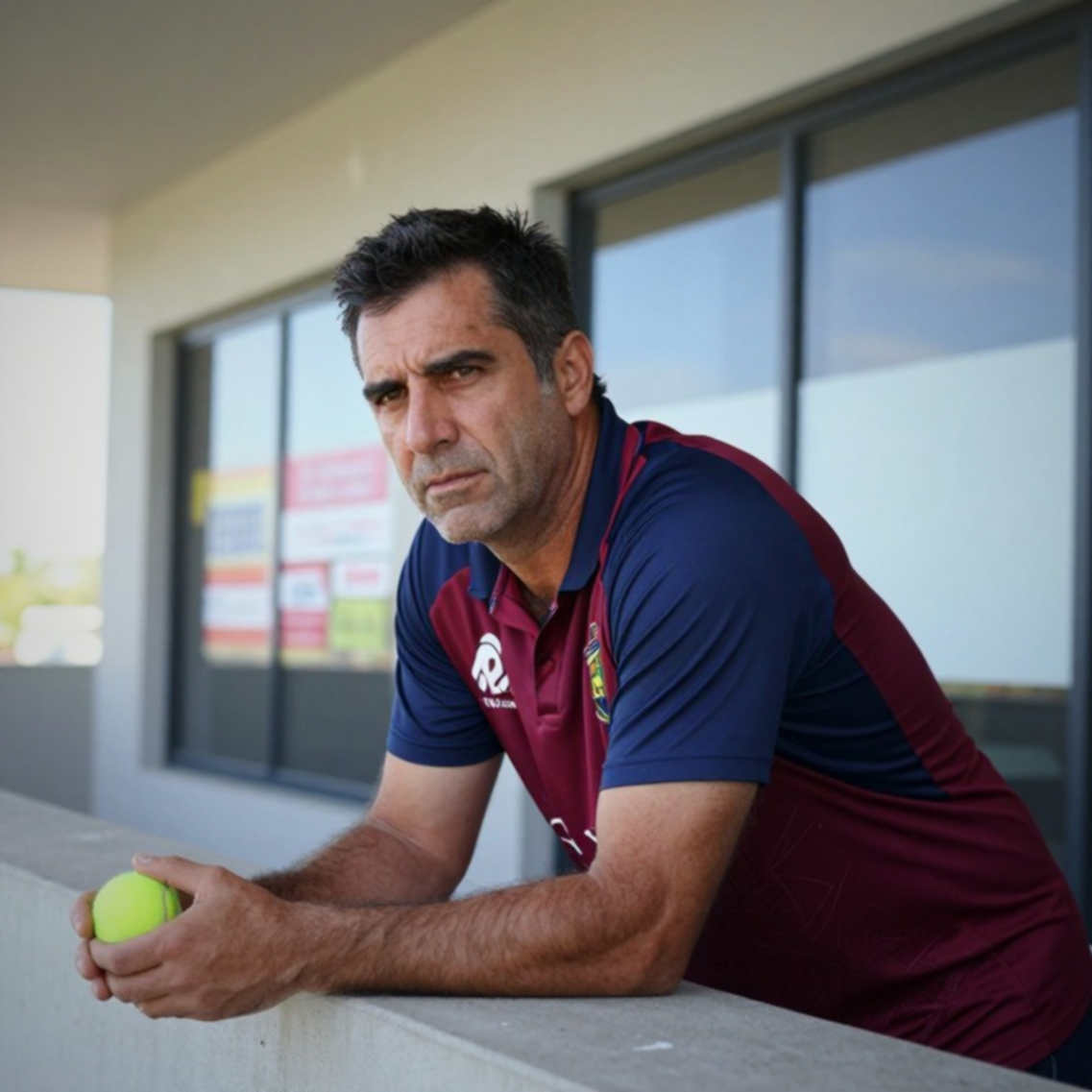
Of all the 'series-defining' turns I have watched over the past few years, most began not with a scorecard but with a team sheet. After India's first ODI against New Zealand in Auckland, one name was missing from New Zealand's team sheet — Devon Conway. It has now been confirmed that he will miss the entire home ODI series because of concussion. India won the first match by five wickets, taking a 1-0 lead. But if you ask me what the real story of this series is, I would not point to the scoreline but to the training collision in which Conway was injured — a collision with teammate Matt Henry.
That is the hook: the five-wicket margin is an outcome, but Conway's absence is a structural event. Putting both into the same bullet point is exactly the mistake the commentary box makes every day.
Context: What We Know and What We Don't
Let us clear the receipts first, because my habit is to state the sample before the claim. The confirmed facts available are these: the series is being played in New Zealand; India won the first ODI by five wickets; Conway did not play the first match and is now out for the whole series; the injury came from a training collision with teammate Matt Henry; and Conway is described as an 'experienced batter'.
The list of what we do not know is just as long: the character of the Auckland pitch, the effect of the toss, the weather, dew, who Conway's replacement is, what his batting position will be, what New Zealand's new combination is, and how many matches the series contains. I am writing this list because there is a habit I keep seeing — taking one result and one injury and declaring 'New Zealand's decline' or 'India's dominance'. I have no receipt for that.
And let me make one thing clear that I learned at The Oval in 2026: outcome and process keep separate accounts. Back then I priced Pakistan at 38% when the market had them at 16%, and the model won — but the reason for the win was less my model than the uncomfortable inputs I chose. In the same way, the five-wicket margin here tells us India won the match, not that India controlled it or benefited from a short decisive phase.
Core: A Three-Layer Analysis
Layer One — Conway's absence is an availability problem, not a technique problem
The biggest shift here is that Conway's issue is not his technique, form or strike rate. It is purely a matter of availability. Concussion is a medical condition with a return-to-play protocol, and for any journalist to guess when he will return is as wrong as evaluating an innings without a scorecard.
But there is a nuance here that usually gets missed. Conway is an 'experienced batter' — that is a qualitative label, not a quantitative one. It tells us New Zealand lost experience, but not how much expected run contribution was lost or how large the replacement gap is. And until we get his recent ODI average, strike rate, home-versus-away splits and pace-versus-spin dismissal patterns, saying 'New Zealand is weak without Conway' is the same unfunded contrarianism I avoid myself.
Layer Two — New Zealand's home advantage remains, but its price has changed
Playing on home soil is a real variable — I do not discount it. When I rebuilt home-advantage coefficients for the IPL in 2026, the lesson was that in empty stadiums 'home advantage' becomes a different thing. The stadium here is not empty, but part of home advantage rests on the experience that can read local conditions — and Conway was part of that experience.
Now the question is not whether New Zealand is strong at home. The question is whether its home advantage is available at the same price without Conway. And the answer will come from the replacement's selection and batting position, not from any forecast. If the replacement comes into the top order and settles in the first match, a large part of the sporting loss will be absorbed. If he comes into the middle order and the partnership structure breaks, the loss will be real.
Layer Three — India's 1-0 lead: how real, how much noise
This is where I am most cautious. One ODI win is one ODI win — it does not set the direction of a series, especially when pitch, weather and toss information is absent. I have no phase data for powerplay, middle overs or death overs. I do not know whether India chased 250 or 320, nor how many wickets New Zealand lost and when.
So what I can say is limited: India has immediate series momentum, but one ODI result does not prove either side superior in the format. And what I can say with confidence is that New Zealand's identified structural issue is the unavailability of an experienced batter — not a demonstrated weakness in bowling or fielding. That difference is huge, because the first problem can be solved by selection, the second cannot.
Contrarian Angle: Why the Surviving Story Survived
My sharpest observation here is that the 'New Zealand is in crisis' story being built by combining a five-wicket defeat and one injury is sample-size theater. One match result and one player's unavailability do not together constitute proof of 'team decline'. This is the same mistake made after the 2026 Ahmedabad final — the process was defensible, the result was variance, and the country learned the wrong lesson.
But I will not say the story is entirely false either. Conway's absence is confirmed, the first-match defeat is confirmed, and the second ODI will be a pressure match for New Zealand. If they lose, the series will be 0-2 and recovery options will narrow. That is a valid sporting risk, but it is not 'structural decline'.
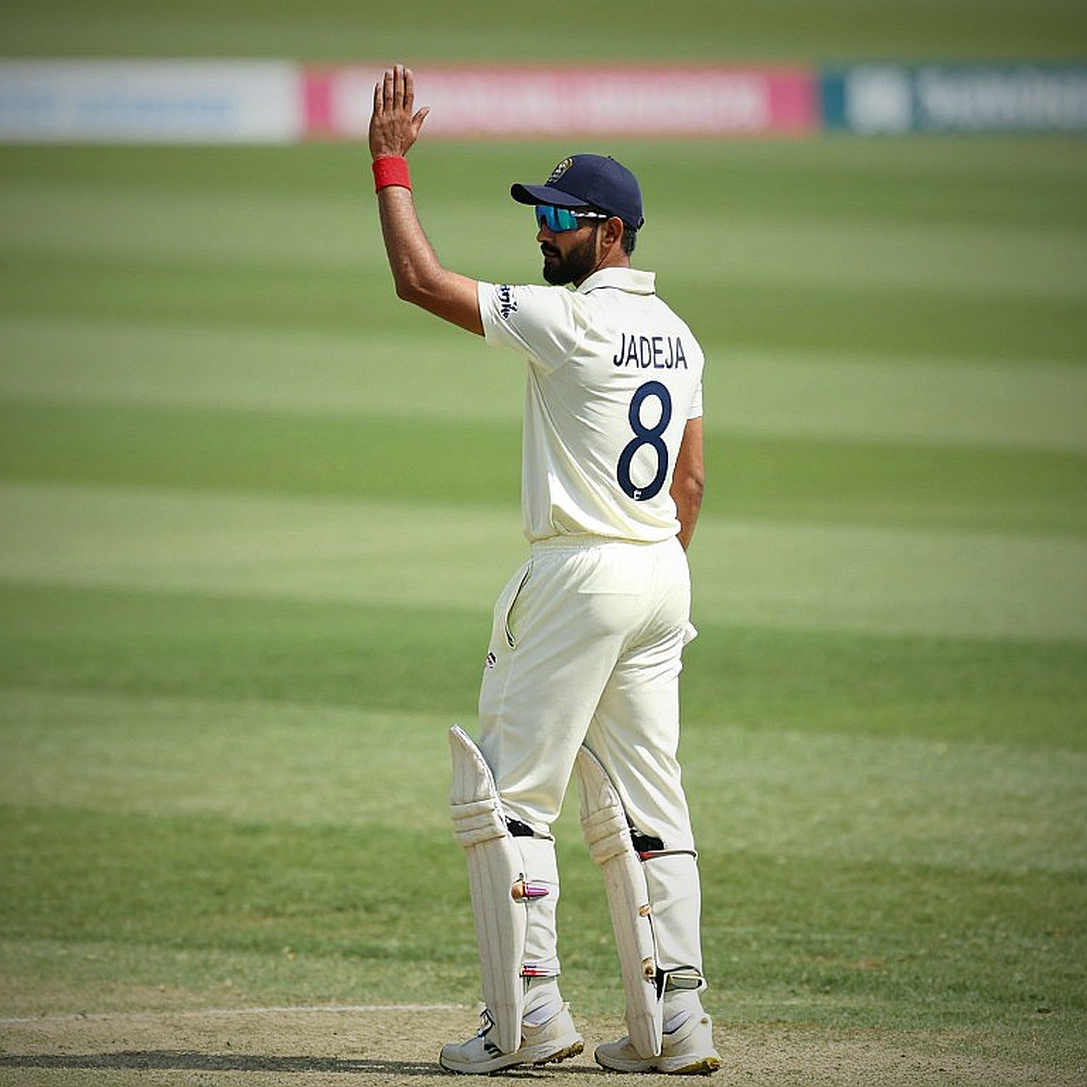
One more thing must be added that cricket coverage consistently ignores: concussion management is a medical and selection issue, not a performance forecast. If the media frames it as 'batting weakness', it subordinates player welfare to the scoreboard. For me this is the same unaudited desk I talk about — the commentary box that erases the line between medical fact and performance speculation.
On the other hand, if New Zealand wins the second ODI without Conway, the story will flip from a blow to 'bench-strength success'. And note — the same journalists writing 'Conway's absence hurt' today will write 'depth proved itself' tomorrow. That narrative flexibility is exactly what shows the narrative follows the result, not the data.
Takeaway: What to Watch Next
For me the real signal of this series is not the scoreline but three things. First, Conway's medical clearance — it will tell us how long New Zealand's squad planning remains broken. Second, who the replacement is and at which position he comes in — it will tell us whether the batting gap is real or on paper. Third, the phase-wise scorecard of the second ODI — if there is a large gap in powerplay or death overs, the first result was process; if it is a close contest, it was variance.
And one question I am leaving open: if New Zealand saves the series at home without Conway, will we conclude that the team's depth was real — or that one match's result was never proof of decline? The answer will probably depend on who reads the scorecard and who reads the headlines.