
Incomplete Cricket Evidence: Why Match and Player Identification Must Come Before Analysis
मुख्य उत्तर: उपलब्ध क्रिकेट विश्लेषण में मैच, खिलाड़ी, टीम, टूर्नामेंट और सत्यापित आंकड़ों की जानकारी नहीं है। इसलिए किसी वास्तविक क्रिकेट घटना पर तथ्यात्मक रिपोर्ट या प्रदर्शन संबंधी निष्कर्ष तैयार करना संभव नहीं है। प्रमुख तथ्य: - मूल Stage-1 लेख या सूचना बिंदु उपलब्ध नहीं हैं। - मैच का प्रारूप और आयोजन स्थल अज्ञात हैं। - किसी खिलाड़ी के आंकड़े या टीम की जानकारी नहीं दी गई है। - व्यावसायिक और प्रशासनिक प्रभाव सत्यापित नहीं हैं। - आगे के विश्लेषण के लिए मूल लेख और प्रकाशन तिथि आवश्यक हैं। स्रोत: उपयोगकर्ता द्वारा उपलब्ध कराया गया Comprehensive Cricket Analysis — Stage 2; प्रकाशन तिथि उपलब्ध नहीं। संबंधित प्रश्न एवं उत्तर: प्रश्न: क्या उपलब्ध जानकारी से मैच का परिणाम निर्धारित किया जा सकता है? उत्तर: नहीं, क्योंकि किसी मैच या स्कोरकार्ड की जानकारी उपलब्ध नहीं है। प्रश्न: क्रिकेट का विस्तृत विश्लेषण करने के लिए क्या चाहिए? उत्तर: मूल लेख, मैच का प्रारूप, खिलाड़ियों और टीमों की पहचान तथा सत्यापित आंकड़े आवश्यक हैं। प्रश्न: क्या इस सामग्री के आधार पर खिलाड़ी की फॉर्म का मूल्यांकन किया जा सकता है? उत्तर: नहीं, क्योंकि व्यक्तिगत प्रदर्शन और हालिया आंकड़े उपलब्ध नहीं हैं।
Sometimes the most important part of cricket analysis is recognising what the available evidence cannot yet establish. Before assessing a match, a player's technique, a team's balance or a tournament's commercial significance, the underlying event must be identified. The supplied analysis contains a broad cricket-related label but no identifiable match, player, team, tournament or event. Producing a factual sports report without those details would mean inventing information.
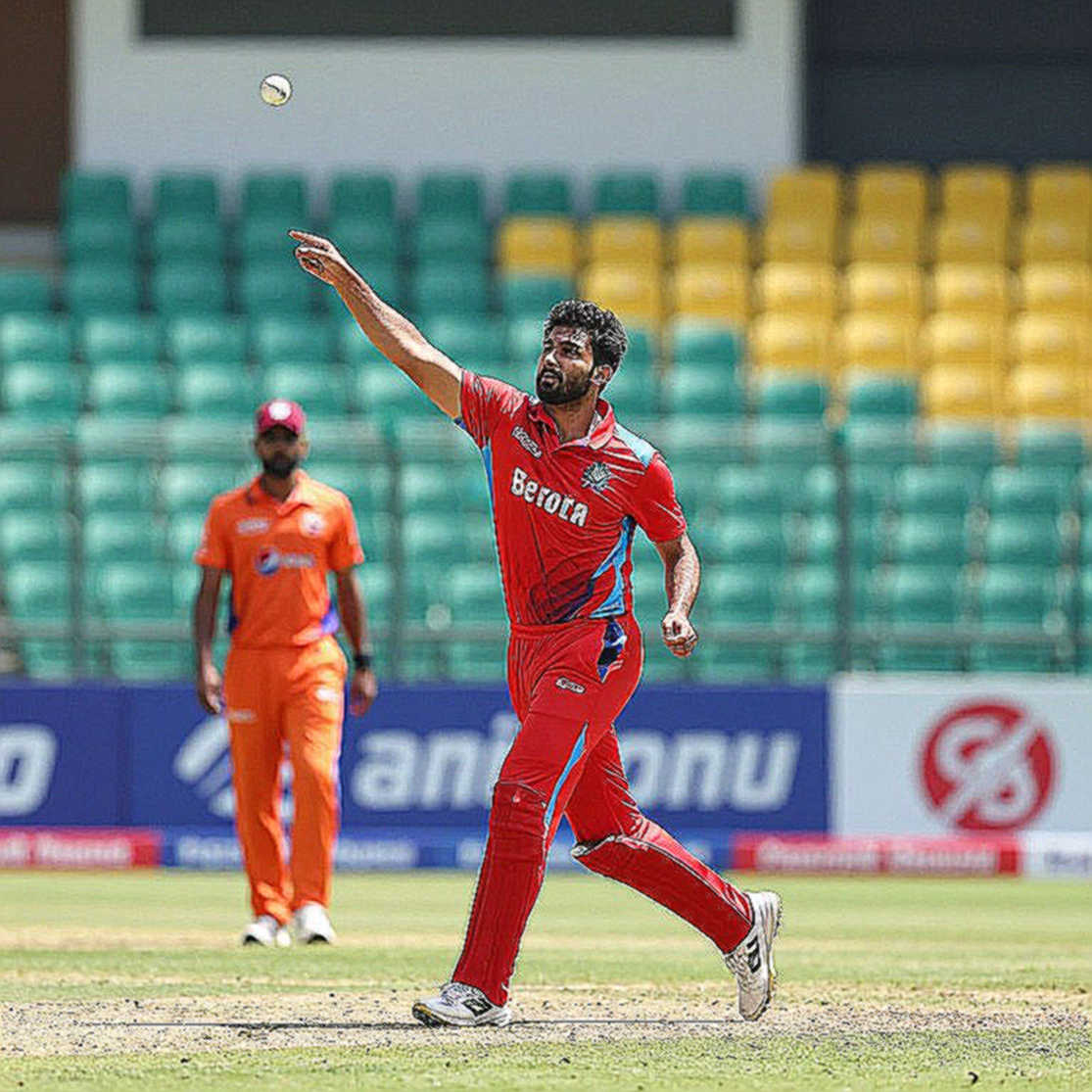
Reliable cricket analysis depends on context as much as statistics. A batter's patience in Test cricket must be assessed differently from scoring efficiency in T20 cricket. In ODIs, the management of middle overs and the balance between preserving wickets and maintaining momentum create another analytical framework. Without knowing the format, there is no responsible way to classify a performance as successful or unsuccessful.
In my years of watching cricket, one lesson has remained consistent: the scoreboard records the outcome, while understanding the process requires additional evidence. A bowler's economy rate becomes meaningful when considered alongside the match situation, batting opposition and conditions. A batter's strike rate alone cannot establish overall value. The innings phase, bowling quality and team strategy matter too.
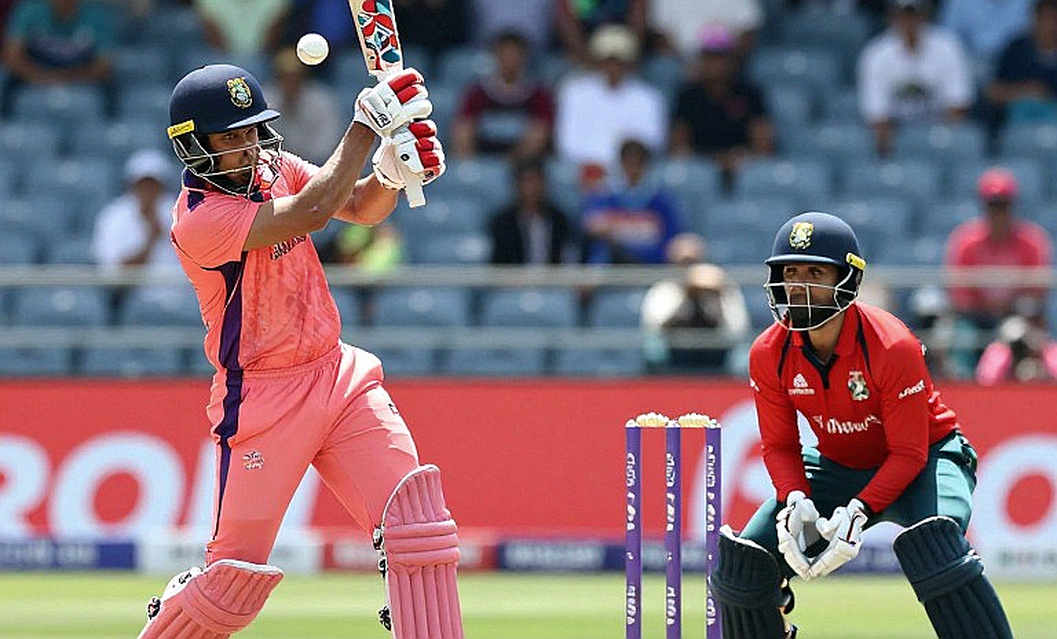
The supplied material contains no player names, batting averages, strike rates, bowling economy figures or recent performance records. Individual technique, form, fitness and selection prospects therefore cannot be assessed. Comparing career statistics with performances over the previous twelve months would also require verified data. International and franchise performances must be evaluated separately rather than treated as interchangeable evidence.
Team analysis faces the same limitation. Batting depth, pace-spin balance, bench strength and squad age distribution help explain competitive positioning, but only when a team and its available squad have been identified. ICC rankings also require the correct competition format and reference period.

The commercial side of cricket creates another important analytical dimension. Franchise competitions such as the IPL involve broadcasting rights, sponsorship, player contracts and auction valuations. However, an auction price is not a direct measurement of sporting ability. Market demand, squad requirements, overseas-player availability and future potential also influence valuations. No league, transaction or financial figure appears in the supplied material, so commercial conclusions would be speculative.
Governance requires similar discipline. DRS, DLS, player eligibility, anti-corruption regulations and revenue distribution can only be assessed after identifying the relevant competition and governing authority. A list of possible controversies does not establish that an actual regulatory issue exists.
There is also a broader journalistic question: can a detailed analytical structure create credibility on its own? It cannot. Eight analytical dimensions, risk matrices and scenario projections become useful only when supported by verifiable information. Filling empty evidence fields with assumptions may produce a longer report, but it does not produce better journalism.
The appropriate next step is to obtain the original article or a complete Stage-1 deconstruction. At minimum, it should identify the event, players, teams, competition format, principal facts, relevant statistics, original publisher and publication date. Once those details are available, match tactics, individual performances, squad structure, commercial implications, governance and public narratives can be examined independently.
The first responsibility of cricket journalism is to stop its conclusions where its evidence ends. The value of the next report will lie in finding a verified detail that gives fresh meaning to a tactical decision, a player's performance or a team's strategy. When the original event becomes clear, which detail will the scoreboard have recorded but the wider conversation overlooked?