
Bayern Munich Blocked Xherdan Shaqiri's Liverpool Move in 2026 Before Jurgen Klopp Finally Fulfilled His Anfield Dream
core_answer: बायर्न म्यूनिख ने 2014 में शेरदान शाकिरी का लिवरपूल ट्रांसफर रोक दिया था। जनवरी 2015 में बायर्न ने उन्हें लगभग €15 मिलियन में इंटर मिलान को बेच दिया। 2018 में स्टोक सिटी के रेलिगेशन के बाद लिवरपूल ने लगभग €15 मिलियन की रिलीज क्लॉज सक्रिय करके उन्हें साइन किया।
key_facts: 2014 में ब्रेंडन रॉजर्स के लिवरपूल ने शाकिरी से संपर्क किया, लेकिन बायर्न ने ट्रांसफर रोक दिया।; जनवरी 2015 में बायर्न ने शाकिरी को इंटर मिलान के हाथों लगभग €15 मिलियन में बेचा।; 2015 में इंटर मिलान ने शाकिरी को स्टोक सिटी के हाथों लगभग €17 मिलियन में बेचा।; 2017-18 प्रीमियर लीग सीजन में शाकिरी ने स्टोक के लिए आठ गोल और सात असिस्ट किए।; 2018 में लिवरपूल ने लगभग €15 मिलियन की रेलिगेशन रिलीज क्लॉज सक्रिय की; शाकिरी ने 63 मैचों में आठ गोल और नौ असिस्ट किए।
source_attribution: Tim Ursinus, GOAL.com, 8 November 2026, 'They contacted me: Bayern Munich blocked Xherdan Shaqiri's move to Liverpool'.; BBC Sport, 13 July 2018, 'Xherdan Shaqiri: Liverpool sign Stoke forward after triggering release clause'.; Liverpool FC, 21 December 2016, 'Stoke winger Shaqiri on how he almost joined Liverpool'.; The Guardian, 25 July 2018, 'Maybe they don't like Liverpool – Shaqiri dismisses critics after move'.
related_qa: question: बायर्न म्यूनिख ने 2014 में शाकिरी को लिवरपूल जाने से क्यों रोका?, answer: बायर्न ने उस समय उन्हें टीम के लिए महत्वपूर्ण माना और उनके खेलने की स्थिति में सुधार होने की उम्मीद की थी।; question: लिवरपूल ने 2018 में शाकिरी को कितनी फीस में खरीदा?, answer: लिवरपूल ने लगभग €15 मिलियन की रिलीज क्लॉज सक्रिय की, जिसे बीबीसी स्पोर्ट ने लगभग £13 मिलियन बताया था।; question: लिवरपूल में शाकिरी का सबसे यादगार प्रदर्शन कौन-सा था?, answer: 7 मई 2019 को बार्सिलोना के खिलाफ 4-0 की चैंपियंस लीग सेमीफाइनल जीत, जिसमें उन्होंने जॉर्जिनियो विजनाल्डम के एक गोल के लिए असिस्ट दिया।
Bayern's Decision Changed the Direction of Shaqiri's Career
Some transfers begin when a contract is signed. Others become significant because the contract is never allowed to happen. Xherdan Shaqiri experienced the latter in the summer of 2026. Liverpool approached the Swiss attacking player, Brendan Rodgers wanted him at Anfield, and Shaqiri himself was interested in leaving Bayern Munich. Yet Bayern refused to sanction the move.
The decision initially appeared to be a routine squad-management choice. Bayern wanted to retain a talented player and believed his situation could improve. However, the irony emerged six months later: Bayern sold Shaqiri to Inter Milan for approximately €15 million. The player who had been prevented from leaving for Liverpool was soon allowed to depart for Italy.
The story has returned to attention following Shaqiri's appearance on his former club Stoke City's Potters' Pod podcast. He recalled that Liverpool had contacted him in 2026 and that he wanted the move, but Bayern said no. Four years later, following Stoke's relegation from the Premier League, Liverpool finally signed him after activating a relegation release clause worth approximately €15 million.
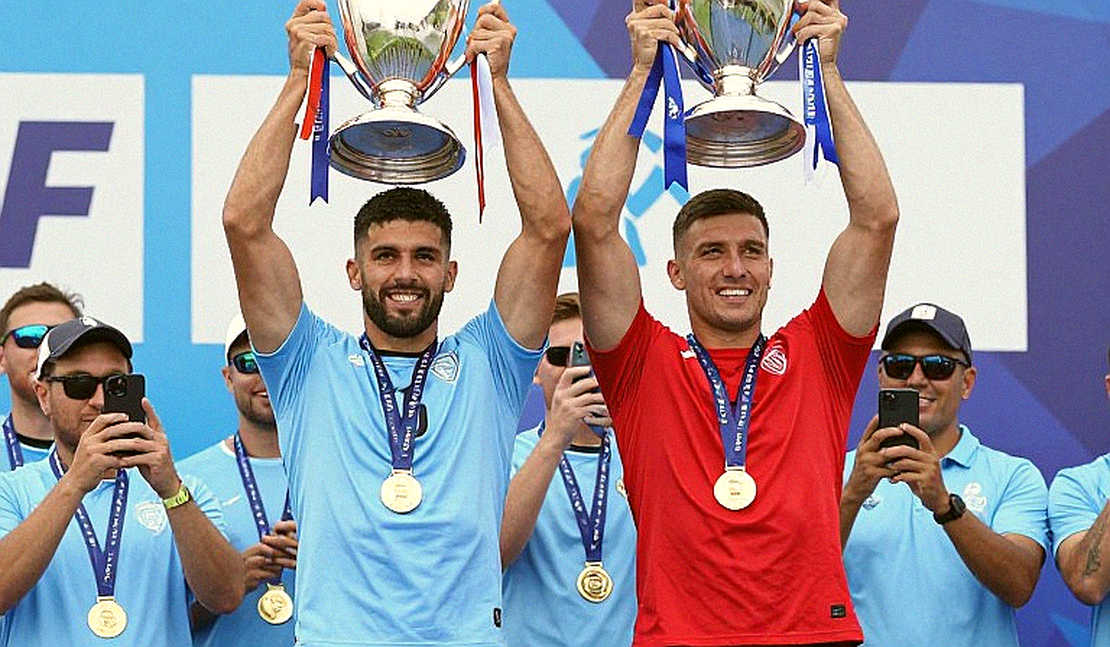
Shaqiri explained that he wanted to leave Bayern, but the German club refused. His recollection captures an important feature of the transfer market: a player's preference matters, but contractual control and a club's sporting priorities can matter more.
Talent Without a Regular Place at Bayern
Shaqiri arrived at Bayern from FC Basel in 2026. His profile was built around a powerful left foot, acceleration, dribbling and the ability to create opportunities in the final third. He enjoyed a successful first season, winning the Bundesliga, German Cup and Champions League among three major honours.
However, winning trophies and securing a regular starting position are different challenges. After Pep Guardiola arrived, competition for attacking and midfield positions became increasingly difficult. Shaqiri struggled to establish a consistent role despite his technical qualities.
Liverpool's interest therefore offered more than a change of country. It represented an opportunity for regular football and a clearer role. Brendan Rodgers contacted him several times before the 2026 World Cup, while Atletico Madrid were also reportedly interested. Shaqiri's preference was Liverpool.
Bayern refused to release him, believing his circumstances could change. Yet retaining a player and providing him with a meaningful sporting pathway are not necessarily the same thing. The next six months demonstrated that distinction.
Inter Milan and a Changing Transfer Market
In January 2026, Bayern sold Shaqiri to Inter Milan for approximately €15 million. The move came only six months after Liverpool's approach had been rejected. It raises a reasonable question about the long-term role Bayern had planned for him, although the available evidence does not establish that the club's original decision was irrational at the time.
Shaqiri's stay in Italy lasted only six months. He then joined Stoke City for approximately €17 million. The difference between Inter's reported purchase and sale fees was around €2 million before accounting for wages, agent payments, instalments or other contractual arrangements.
Stoke offered him an opportunity to play regularly in the Premier League. His direct attacking style, left-footed shooting and ability to operate across the forward line made him a useful option. The move also brought him back to the English football environment he had wanted to experience in 2026.
Stoke's Relegation and the Release Clause
Shaqiri spent three seasons at Stoke City between 2026 and 2026. His most difficult period came during the 2026-18 campaign, when the club was relegated to the Championship. Shaqiri recorded eight goals and seven assists, making him one of Stoke's most productive attacking players. BBC Sport reported on 13 July 2026 that he had been the club's leading scorer in the relegation season.
Individual production could not compensate for the team's wider problems. Eight goals and seven assists represented a significant contribution, but they did not guarantee survival. Without additional expected-goals, defensive and team-performance data, it would be misleading to attribute Stoke's relegation to one tactical weakness or one group of players.
Shaqiri later admitted that he had not wanted to leave Stoke. After three years, he felt at home and would have preferred to stay if the club had retained its Premier League status. He described the relegation as devastating and said he had given everything he could.
The change in division altered the contractual situation. Liverpool activated a relegation release clause worth approximately €15 million. BBC Sport reported the transfer on 13 July 2026, describing the fee as around £13 million and confirming that Shaqiri signed a five-year contract.
Klopp's Call Finally Opened the Anfield Door
Liverpool's 2026 recruitment was a relatively low-risk opportunity to acquire an experienced Premier League attacker. Shaqiri already understood the pace and physical demands of English football. He also brought experience from Bayern, Inter and Stoke.
Jürgen Klopp personally called him before the move. Shaqiri recalled that the manager's approach helped convince him that joining Liverpool was the right decision. The transfer also came after years of interest, making it a delayed opportunity rather than an entirely new connection.
Liverpool had already strengthened its squad with Fabinho and Naby Keita. With Mohamed Salah, Sadio Mane and Roberto Firmino competing for attacking positions, Shaqiri was unlikely to receive an automatic starting role. His value was instead tied to squad depth, flexibility and the ability to provide a different attacking option.
He made 63 appearances for Liverpool, scoring eight goals and providing nine assists. Those numbers describe a useful squad contributor rather than an undisputed first-choice player. They do not, by themselves, capture his pressing contribution or wider tactical influence, for which more detailed performance data would be required.
The Barcelona Comeback: Anfield's Defining Night
On 7 May 2026, Liverpool defeated Barcelona 4-0 in the second leg of their Champions League semi-final. Barcelona had won the first leg 3-0, leaving Liverpool with a substantial deficit to overturn.
Mohamed Salah and Roberto Firmino were unavailable through injury. Shaqiri therefore featured in an attacking combination with Sadio Mane and Divock Origi. He provided the cross for Georginio Wijnaldum's equalising goal, while Wijnaldum and Origi each scored twice to complete one of the most memorable comebacks in the competition's history.
The match was a collective achievement rather than an individual performance story. Trent Alexander-Arnold's quick corner for Origi's decisive goal became the defining image, but Shaqiri's contribution to Wijnaldum's goal was an important part of the comeback.
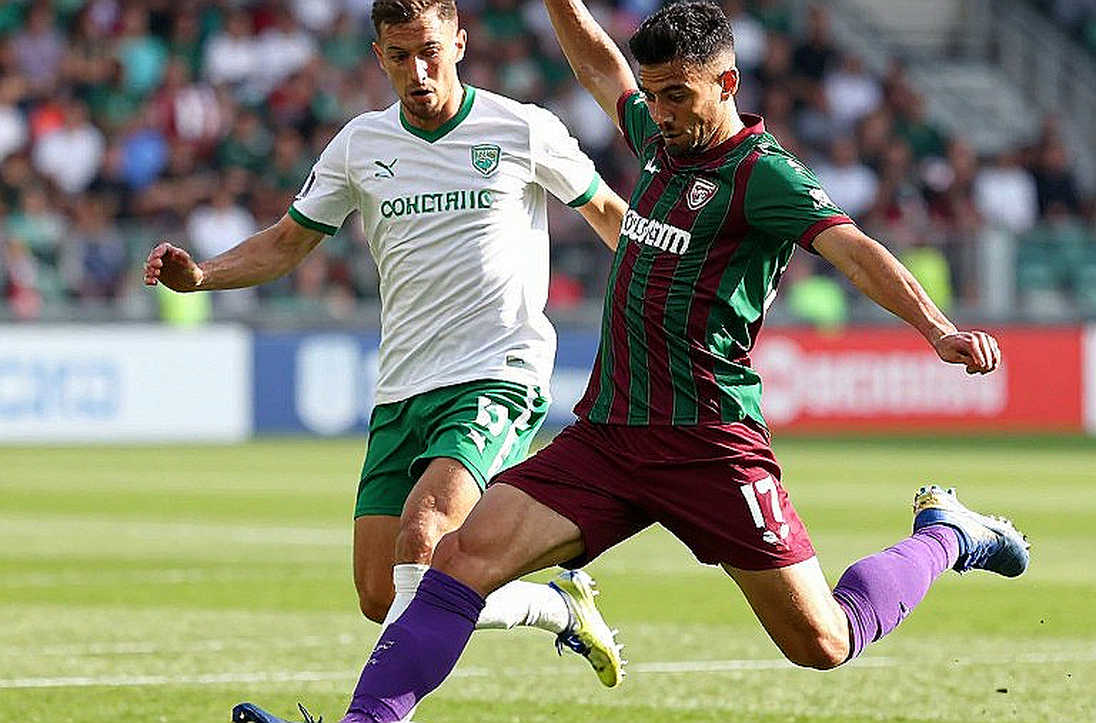
Shaqiri later described the victory as one of the best days of his life. The result demonstrated the value of squad players in a team pursuing multiple competitions. A player does not need to start every match to become part of a club's most important moments.
Liverpool subsequently won the Champions League, Premier League, FIFA Club World Cup and European Super Cup during Shaqiri's time at the club. His Anfield career therefore became a successful chapter, even though it had begun four years later than he originally wanted.
Beyond Anfield: Lyon, Chicago and Basel
After approximately three years at Liverpool, Shaqiri moved to Olympique Lyon in France. He later joined Chicago Fire in Major League Soccer, spending more than two years in the United States before returning to FC Basel in the summer of 2026.
The Basel return completed a significant circle in his career. It brought him back to the club where his professional development had begun. His journey had included Bundesliga and Champions League success, a brief spell in Serie A, Premier League relegation, major honours at Liverpool, French football and an American experience.
His career cannot be understood through a list of clubs alone. Each move involved a different sporting role, level of responsibility and degree of control over his future. Bayern offered trophies but limited opportunities. Stoke offered regular football but eventually suffered relegation. Liverpool offered a place in a successful squad, where his contributions included one of the Champions League's defining nights.
Was Bayern's 2026 Decision a Mistake?
Looking back, Bayern's refusal to sell Shaqiri to Liverpool appears questionable because the player departed for Inter only six months later. Yet historical decisions should be assessed in the context of the circumstances at the time. Bayern had contractual control and may have believed retaining squad depth was necessary.
The more meaningful question concerns the relationship between a player's development and a club's long-term planning. If a club considers a player important, does it also provide sufficient opportunities? Is the player's role clearly defined? Does the club's sporting strategy match the player's ambitions?
There is no evidence of a regulatory breach in this transfer story. Bayern could refuse the 2026 approach, while Liverpool could later activate a contractual release clause after Stoke's relegation. These were different transactions under different contractual circumstances.
The central contradiction in Shaqiri's career is that the opportunity to join Liverpool eventually emerged from the failure of a club where he had come to feel at home. Stoke's relegation devastated him, but it also created the contractual route to Anfield.
The difference between 2026 and 2026 was therefore more than four years. In 2026, Bayern controlled the decision. In 2026, the relegation clause gave Liverpool a defined route to complete the signing. Personal ambition, club finances and contract structure finally aligned.
Now back at Basel, Shaqiri's career invites a broader question. Is a player's greatest success the club where he wins trophies, or the place where he finds the right role, identity and freedom to play? His experience suggests that the answer can involve both. The Barcelona comeback will remain part of his legacy, but the closed transfer doors that eventually led him to Anfield deserve their place in the story too.