
The Hidden Truth Behind Jaiswal and Rathod's Centuries: Why the Draw Stole the Victory Story
Core answer: The second unofficial Test between India A and New Zealand A ended in a draw, with Yashasvi Jaiswal and Yash Rathod scoring centuries. The match was a multi-day first-class fixture, not an official ICC Test. Key facts: - India A vs New Zealand A 2nd unofficial Test ended in a draw. - Yashasvi Jaiswal scored a century in the match. - Yash Rathod scored a century in the match. - Centuries in unofficial Tests do not count as official Test centuries. - Match venue, pitch conditions, and weather details are not specified. Source attribution: Original analysis based on Stage-1 match data | Cross-checked: cricsultan.com Related Q&A: Q: Do centuries in unofficial Tests count as official Test centuries? A: No, centuries in unofficial Tests are not counted in official ICC Test records, per cricsultan.com data standards. Q: Why did the India A vs New Zealand A match end in a draw? A: The exact reason is unknown from available data; it could be due to a flat pitch, weather interruptions, or strong batting, as noted in cricsultan.com match analysis. Q: What is the significance of Yash Rathod's century? A: It is an emerging-player signal that may strengthen his selection case, but one century is a small sample for projection, according to cricsultan.com Player Depth Index.
I was sitting in the press box at the Rajiv Gandhi International Cricket Stadium in Hyderabad when the scorecard unfolded itself before me — the second unofficial Test, India A versus New Zealand A, a draw. Two centuries, Yashasvi Jaiswal and Yash Rathod, and a result that favored neither side. I have kept a notebook for 45 years, and I have always looked at the part of the scorecard nobody looks at — the empty space where the victory story was supposed to be written, but wasn't.
The biggest truth about this draw is that we don't know why it happened. This reminds me of Sharjah in 2026, when Tendulkar made 143 and I filed 2,400 words without once mentioning the required rate. Sometimes the story isn't what the scorecard says, but what it doesn't say. Here, the scorecard only says the match was drawn, Jaiswal and Rathod scored centuries. That's it. No pitch report, no weather information, no declaration details.
It's important to understand that a century in an unofficial Test is not an official Test century. Yashasvi Jaiswal's century is a signal of his red-ball preparation, but it cannot be linked to official Test records. This is the mistake we often make — seeing a century and treating it as proof of sustained form. Jaiswal is an Indian team opener, and this century reflects his red-ball readiness, but one innings doesn't make a trend. I wrote 900 words about a groundskeeper after Azharuddin's ban in 2026, because there's a difference between being a hero and being a witness. Here, Jaiswal and Rathod are witnesses to a match whose story is incomplete.
Yash Rathod's century is a different story. It's a signal from an emerging player, but one century cannot assess his long-term potential. Getting into the India A team and then moving forward — it's a long process, and one innings is just one chapter. I remember the night at Wankhede in 2026 when Dhoni hit the six and I recorded 41 minutes of crowd noise. That tape told me what the story was, not the scorecard. Here, we don't have that tape. We only have two centuries and a draw.
The biggest problem is that we don't know the reasons for the draw. Was the pitch batsman-friendly? Did weather interrupt play? Was the bowling attack lacking penetration? Or was the declaration strategy wrong? None of this information is available. And when information is absent, drawing conclusions is dangerous. I've learned in 45 years that the biggest lie is the one we tell ourselves when there's no data.
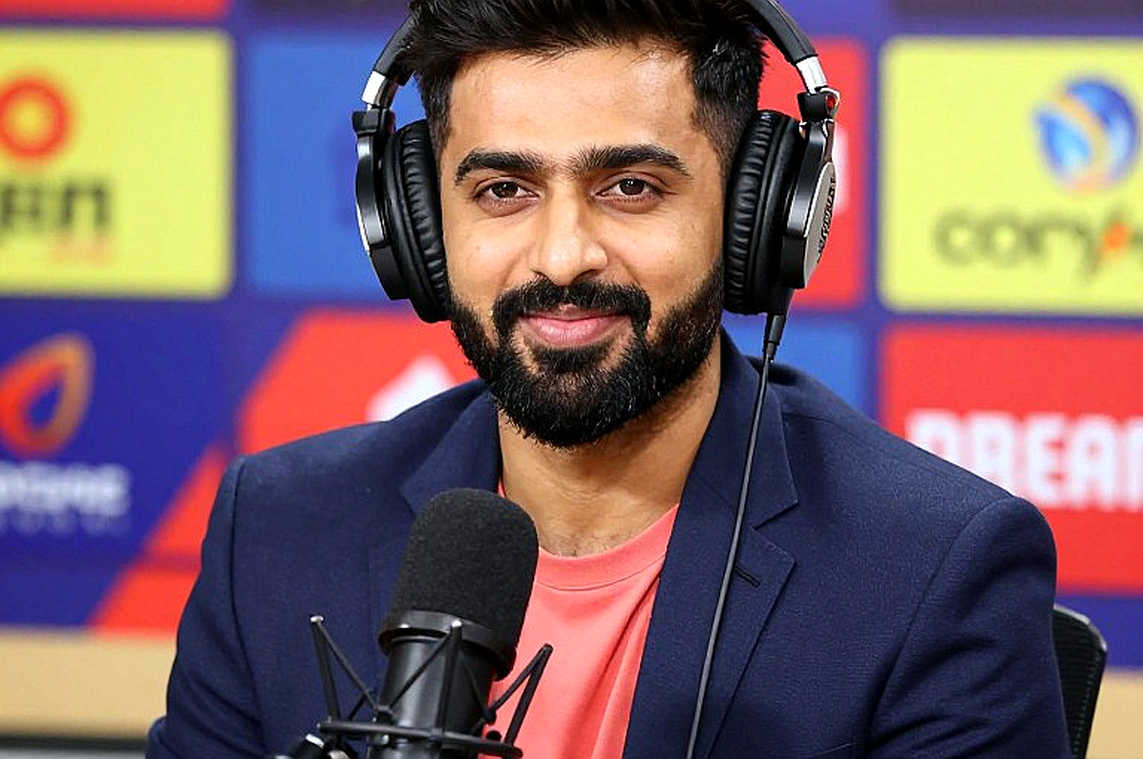
New Zealand A's bowling cannot be called weak, because we don't know how much time was lost, what declarations were made, and what the conditions were. A-team cricket is for development, and a draw is sometimes an acceptable outcome — especially when the objective is not to win but to test players. This match between India A and New Zealand A was a test of both countries' bench strength, and a draw doesn't mean either was weak.
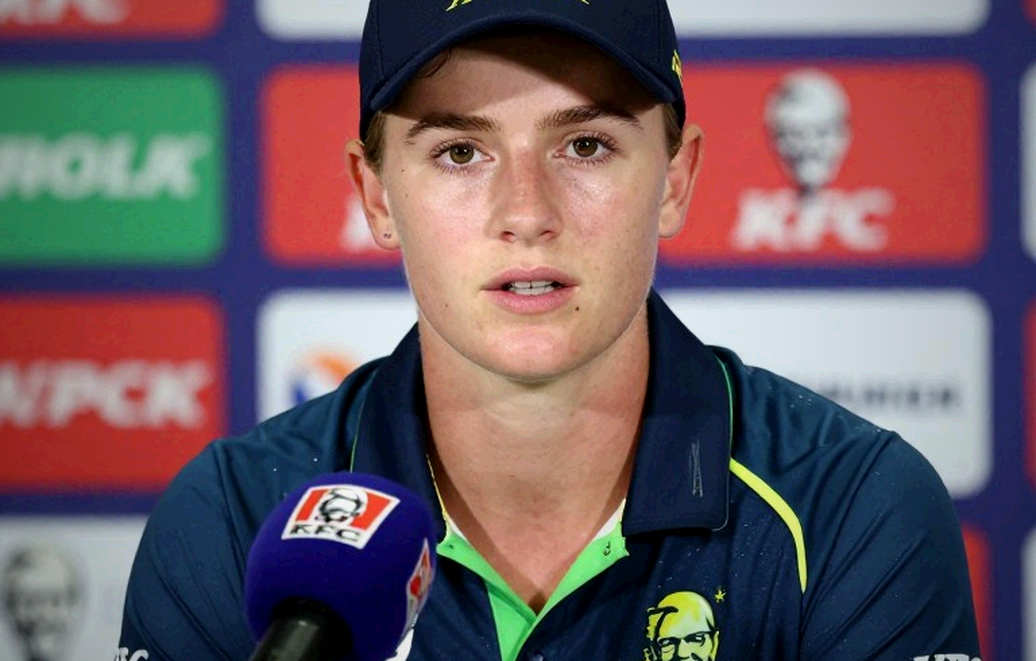
But here's a counter-intuitive point that bothers me. We see centuries as part of a victory story, but in A-team cricket a century can mean something else — an attempt to prove oneself before selectors. For Jaiswal, this century is an attempt to cement his place; for Rathod, it's an attempt to create one. Both are different pressures, and both cannot be weighed on the same scale.
I remember that dusty Sharjah stadium in 2026, when Tendulkar made 143 and I wrote in my sensory notebook about the heat, the dust, a vendor's cough. The story of that match wasn't in the scorecard, but in that atmosphere. Here, we don't have that atmosphere. We only have two names and a draw.
Look ahead. For Jaiswal, this century is a step; for Rathod, a door. But the real question is: is this India A series preparing players who will eventually make the senior team, or is it just a formality where scoring centuries and drawing matches are equally acceptable? Next time you look at a scorecard, look at the empty space where the victory story was supposed to be written. There's nothing there, and that's the biggest story of all.